



What's Happening?
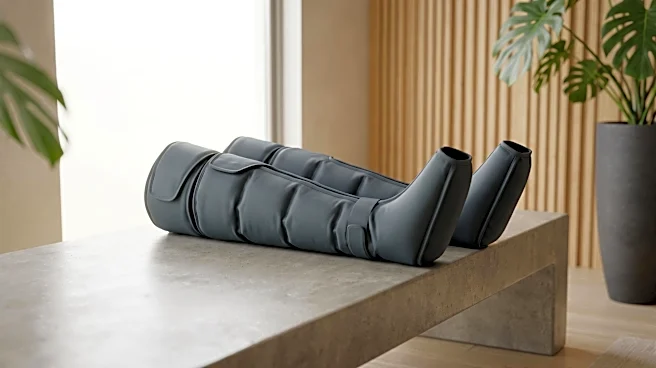
A new study has indicated that Therabody’s JetBoots®, which utilize pneumatic compression, significantly improve post-exercise recovery for runners. The research specifically examined the effects of regular use on African American women runners, a demographic
historically underrepresented in exercise and recovery studies. The findings suggest that using Therabody JetBoots Prime provides meaningful benefits, including improved cardiovascular recovery, perceived recovery, flexibility, and reduced tibial pain sensitivity. Notably, participants experienced an 8.8% faster heart rate recovery, translating to an eight beats per minute faster recovery compared to baseline and control groups, indicating a clinically meaningful cardiovascular benefit.
Why It's Important?
This study is important for several reasons. Firstly, it validates the effectiveness of pneumatic compression technology, specifically Therabody JetBoots, in enhancing athletic recovery, which can lead to improved performance and reduced injury risk for runners. Secondly, the focus on African American women runners addresses a critical gap in exercise and recovery research, promoting inclusivity and ensuring that recovery strategies are effective across diverse populations. For the U.S. sports and wellness industry, these findings can drive increased adoption of pneumatic compression devices, influencing product development and marketing strategies. It also provides evidence-based support for athletes and coaches seeking optimal recovery methods, potentially impacting training protocols and recovery routines nationwide.
What's Next?
Following these positive study results, Therabody is likely to leverage this data in its marketing and educational campaigns to further promote JetBoots. The company may also explore additional research to investigate the benefits across other athletic populations or for different types of physical activity. The findings could encourage healthcare professionals and physical therapists to recommend pneumatic compression as a viable recovery modality. Furthermore, the study's emphasis on an underrepresented group might inspire more inclusive research in sports science, leading to a broader understanding of recovery needs across diverse demographics in the U.S.
Beyond the Headlines
The study's deliberate inclusion of African American women runners highlights a crucial ethical and scientific imperative to address disparities in health and exercise research. Historically, many studies have been conducted on predominantly male or homogenous populations, leading to generalized findings that may not apply universally. By focusing on a specific, underrepresented group, this research not only provides valuable insights for that community but also sets a precedent for more equitable and comprehensive scientific inquiry in sports medicine. This approach can foster greater trust and engagement within diverse communities, ensuring that advancements in recovery technology benefit everyone.