






What's Happening?
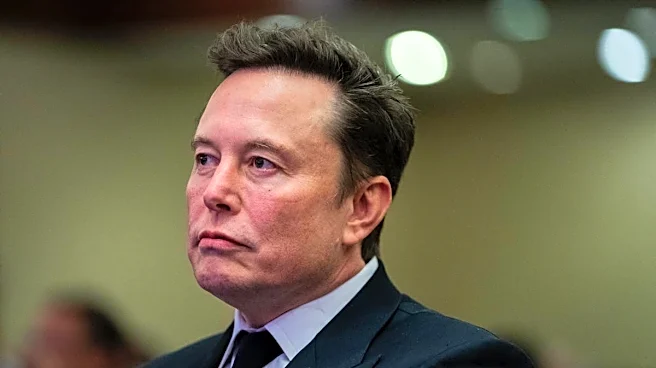
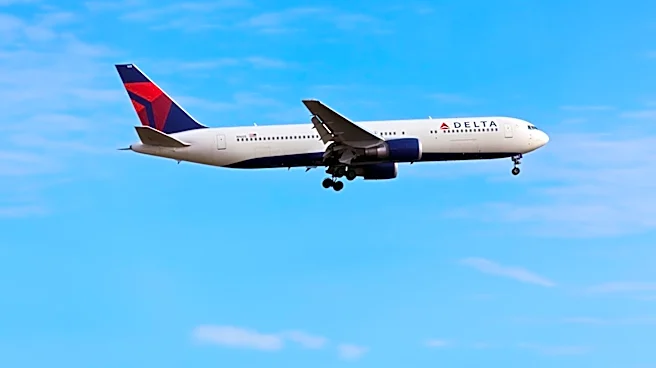
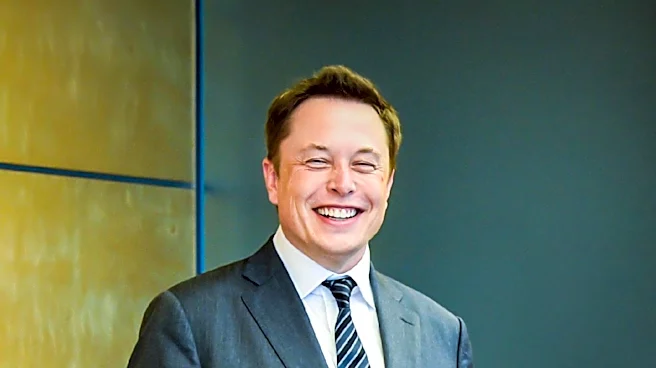
Delta Air Lines CEO Ed Bastian has reportedly expressed strong reservations about partnering with Elon Musk's Starlink for in-flight Wi-Fi services. At a company event, Bastian allegedly stated, 'We do not want to be with Elon Musk. Trust me,' when addressing
why Delta has not adopted Starlink. He further added, 'It's all true what they say about him,' referring to Musk's reputation. These comments, though reported secondhand by an airline industry watcher, suggest a personal dimension to Delta's decision to forgo Starlink. Delta had previously tested Starlink but ultimately chose Amazon's Project Kuiper (Amazon Leo) for its future in-flight connectivity, with installations scheduled to begin in 2028. This decision comes as competitors like United Airlines and American Airlines are actively implementing Starlink across their fleets. Elon Musk has responded publicly to the reported remarks, criticizing Delta's Wi-Fi service and suggesting that Bastian 'will lose his job over this.'
Why It's Important?
This reported feud highlights a significant competitive battle in the airline industry over in-flight connectivity, a crucial factor for passenger experience. Delta's decision to avoid Starlink, reportedly due to personal objections to Elon Musk, could have substantial implications for its market position. While Delta aims to offer free Wi-Fi through Amazon Leo, this service is not expected to be fully operational until 2028, putting Delta years behind rivals who are already deploying Starlink. Passengers increasingly prioritize reliable and fast in-flight internet, and a perceived lag in service quality could lead to customer attrition for Delta. The situation also underscores how the personal brand and reputation of a CEO can influence major business decisions, potentially impacting technological adoption and competitive strategy within an industry. The public exchange between two prominent CEOs further draws attention to the high stakes involved in securing lucrative airline contracts for satellite internet services.
What's Next?
Delta is proceeding with its plan to integrate Amazon Leo for in-flight Wi-Fi, with initial installations projected for 2028. This timeline means Delta will continue to rely on its current providers, Viasat and EchoStar's Hughes, for several years. The effectiveness of Viasat's recently launched satellites in improving current service will be critical in the interim. Meanwhile, competitors like United Airlines and American Airlines are rapidly expanding their Starlink-equipped fleets, with United expecting to complete installations by the end of 2027. The performance and passenger satisfaction with Starlink on rival airlines will likely put pressure on Delta to deliver a comparable or superior experience once Amazon Leo becomes available. The ongoing public commentary from Elon Musk could also continue to shape public perception of Delta's connectivity strategy. Delta's ability to retain its customer base and attract new passengers will depend heavily on the quality and availability of its future in-flight internet offerings.
Beyond the Headlines
The reported comments by Delta CEO Ed Bastian delve into the less obvious implications of business partnerships, suggesting that the character and reputation of a key figure can be as influential as the technical specifications or financial terms of a deal. This situation raises questions about the extent to which personal dynamics between leaders can impact corporate strategy and market competition. It also highlights a broader trend where the public persona of tech leaders, particularly those with significant social media presence like Elon Musk, can become intertwined with their companies' products and services. For Delta, the decision to prioritize a perceived alignment of values or personal comfort over what some might consider a technologically advanced and readily available solution (Starlink) could be seen as a calculated risk. This scenario prompts reflection on whether such considerations ultimately serve the best interests of the company and its customers, especially in a rapidly evolving technological landscape where connectivity is a key differentiator.