


What's Happening?
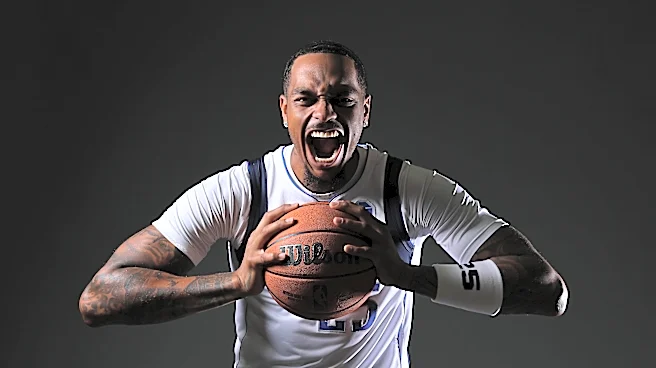
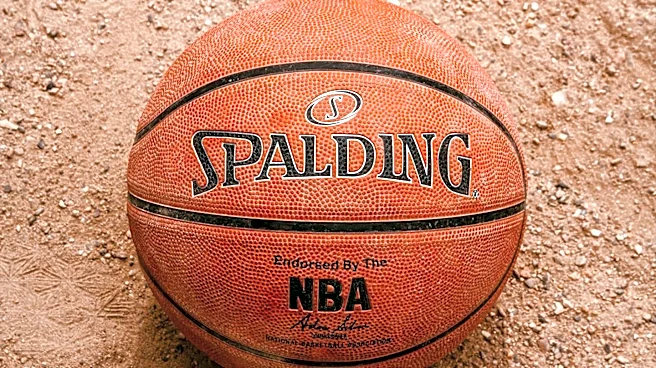
NBA Commissioner Adam Silver is pushing for the integration of advanced technology into the league, including a 'smart ball' with an embedded chip and artificial intelligence (AI) for officiating. The smart ball, developed with Wilson, the official basketball
manufacturer, contains a one-gram chip designed to assist officials in making accurate calls, such as determining if a player touched the ball before it went out of bounds or if a shot's trajectory changed during a goaltending violation. This technology has been tested in the G League and Summer League, with players reportedly unable to detect the chip's presence. Silver also discussed using AI and camera-tracking systems to automate objective officiating decisions, aiming to reduce review times and controversies. Additionally, the league is in negotiations with the National Basketball Players Association (NBPA) regarding the use of wearable technology for collecting player data during games. These discussions are ongoing, with the league having successfully tested wrist wearables with officials in preseason and Summer League games.
Why It's Important?
The introduction of a 'smart ball' and AI in officiating could significantly enhance the accuracy and efficiency of game calls, potentially reducing human error and controversy in critical moments. This could lead to a fairer game outcome and a smoother pace of play by minimizing lengthy reviews. For players, the smart ball technology could evolve into a training tool, offering data on shot spin and arc to help improve performance. However, the use of wearable technology raises concerns among players and the NBPA regarding how collected data might impact contract negotiations and career evaluations. Players fear that data indicating a decline in performance could be used against them in bargaining. Establishing clear rules and agreements on data access and usage is crucial to ensure that these technologies benefit player development and team strategy without negatively affecting players' earning potential or privacy.
What's Next?
The NBA could begin implementing the smart ball technology as early as next year, pending integration into existing rules and procedures. Further discussions and agreements with the NBPA are necessary to establish guidelines for the collection and use of player data from wearable technology. While the league has successfully tested wrist wearables with officials, they will not be used in the upcoming regular season until an agreement is reached. The development of the smart ball as a consumer product for player training is still several years away. The league will continue to evaluate how these technological advancements can improve the game without creating new issues for players or compromising the integrity of the sport.
Beyond the Headlines
The NBA's embrace of advanced technology, particularly AI and data analytics, reflects a broader trend across professional sports to leverage innovation for competitive advantage and fan engagement. This move could set a precedent for other sports leagues in how they approach officiating and player performance tracking. The ethical implications of data collection, especially concerning player privacy and its potential impact on careers, are significant. The ongoing negotiations with the NBPA highlight the tension between technological progress and labor rights, underscoring the need for robust frameworks to protect athletes' interests. Furthermore, the potential for these technologies to democratize training by providing amateur players with professional-level insights could reshape player development pathways and broaden the sport's appeal.