


What's Happening?
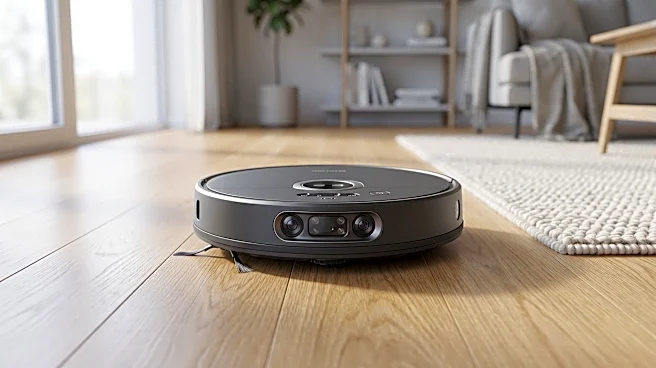
The robot vacuum market is evolving with a focus on advanced automation and self-maintenance features to minimize user workload. Modern devices are moving beyond basic vacuuming and mopping to include all-in-one docking stations that handle dust emptying,
mop self-cleaning (often with hot water), mop drying, and auto-refill of water tanks. Key advancements include improved navigation systems like LiDAR combined with AI-powered camera recognition for precise obstacle avoidance, preventing the robot from getting stuck. Cleaning performance is also enhanced with anti-tangle brushes for pet hair and liftable mops that automatically raise when detecting carpets. Notable models like the Dreame X50 Master offer 80°C hot water mop washing and extendable brushes for thorough edge cleaning, while the Roborock Qrevo S5V features a dual anti-tangle brush system and FlexiArm mops for pet owners. Even more budget-friendly options like the Eureka J12 Ultra are incorporating core all-in-one station features.
Why It's Important?
These advancements in robot vacuum technology are significant for U.S. consumers seeking greater convenience and efficiency in household chores. The shift towards fully automated cleaning systems, where devices can operate for weeks without manual intervention, addresses a major pain point for busy individuals and families. The improved navigation and obstacle avoidance reduce frustration and increase the reliability of these devices, making them more practical for everyday use. For pet owners, features like anti-tangle brushes and powerful suction specifically designed for pet hair offer a much-needed solution. The integration of hot water mop washing and drying also contributes to better hygiene by preventing bacteria and odors. This trend indicates a maturing market where manufacturers are responding to user feedback by focusing on practical, maintenance-reducing innovations, ultimately making smart home cleaning solutions more appealing and effective for a wider audience.
What's Next?
The trajectory of robot vacuum development suggests continued innovation in autonomy and user convenience. Consumers can expect future models to further refine AI navigation, potentially incorporating more sophisticated object recognition and adaptive cleaning strategies based on real-time environmental changes. There will likely be an increased focus on integrating these devices more seamlessly into broader smart home ecosystems, allowing for more intuitive control and automation through voice assistants and centralized platforms. Manufacturers may also explore more sustainable designs, such as longer-lasting components and recyclable materials. As technology advances and production scales, the cost of these advanced features may become more accessible, making high-end automation available to a broader segment of the U.S. market. Competition will likely drive further enhancements in cleaning effectiveness, battery life, and the overall 'set-it-and-forget-it' experience.
Beyond the Headlines
The evolution of robot vacuums reflects a broader societal trend towards automation in daily life, aiming to free up human time and effort from mundane tasks. This technological progression raises questions about the future of domestic labor and the increasing reliance on smart devices to manage household responsibilities. As these robots become more sophisticated, their ability to map and understand home environments could lead to new applications beyond cleaning, such as home security monitoring or even assisting elderly residents. The data collected by these devices, including floor plans and object recognition, also brings forth important considerations regarding data privacy and security. The industry will need to address these ethical and practical implications as these intelligent machines become more integrated into the fabric of our homes, shaping our expectations of convenience and privacy in the smart home era.