


What's Happening?
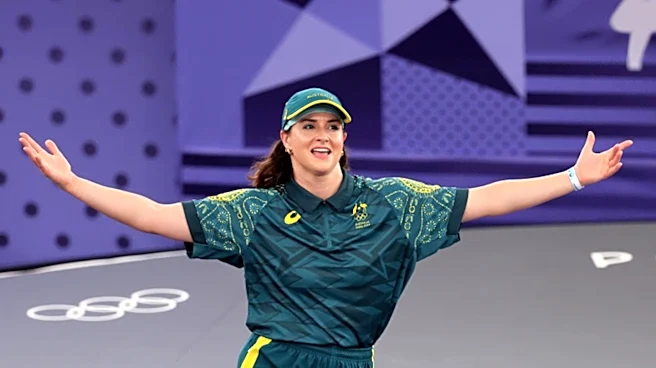
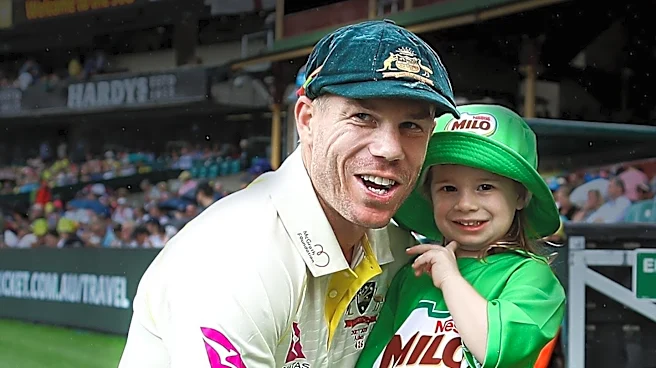
Foreign-run Facebook pages are actively spreading disinformation about prominent Australian athletes, including Olympic swimmers Kaylee McKeown and Emma McKeon, long-distance swimmer Moesha Johnson, and former tennis players Rod Laver and Lleyton Hewitt.
These campaigns involve fabricated statements attributed to the athletes or their families, often suggesting unspecified personal issues, health concerns, or significant life struggles. The posts encourage users to click on links to external websites that further elaborate on these false narratives. For instance, posts about Emma McKeon falsely claim her family announced she needed an extended period of rest for physical and mental recharging. Similarly, Moesha Johnson has been targeted with claims about deeply emotional family updates and breaks from swimming. These disinformation efforts are managed by users in Vietnam, as indicated by Meta’s page transparency details. The content often uses sensational language and doctored images, some appearing to be altered with artificial intelligence, to create a sense of urgency and shock, prompting clicks.
Why It's Important?
These disinformation campaigns highlight a growing threat to public trust and the integrity of information, particularly concerning public figures. The targeting of athletes, who often serve as role models, can damage their reputations and cause distress to them and their families. For the public, these campaigns contribute to a landscape of misinformation, making it difficult to discern truth from falsehood. The use of foreign-run pages to spread these narratives also raises concerns about potential foreign interference and influence operations, even if the current focus is on celebrity gossip. The reliance on AI-doctored images further complicates the issue, as visual evidence can be easily manipulated, eroding confidence in digital media. This trend could lead to increased skepticism towards legitimate news sources and a greater challenge for social media platforms to moderate harmful content effectively.
What's Next?
Social media platforms like Facebook will likely face continued pressure to enhance their content moderation and transparency efforts to combat these sophisticated disinformation campaigns. This may involve more rigorous enforcement of policies against fake accounts and manipulated media, as well as improved mechanisms for users to report false information. Athletes and public figures may need to proactively address such misinformation, potentially through official statements or direct communication with their followers, to counter false narratives. Fact-checking organizations will continue to play a crucial role in identifying and debunking these claims. Furthermore, there might be increased calls for international cooperation to address the origins of these foreign-run disinformation networks and hold those responsible accountable.
Beyond the Headlines
The proliferation of these disinformation tactics points to broader societal challenges related to digital literacy and critical thinking. As AI technology becomes more accessible, the ability to generate convincing but false content will only increase, making it harder for individuals to distinguish between authentic and fabricated information. This could have long-term implications for democratic processes, public discourse, and individual well-being. The targeting of athletes, specifically, underscores how even seemingly innocuous celebrity gossip can be weaponized to manipulate public perception or drive traffic to dubious sites. It also raises ethical questions about the responsibility of technology companies in preventing the misuse of their platforms and tools for malicious purposes, and the need for continuous education to equip the public with the skills to navigate an increasingly complex information environment.