

What's Happening?
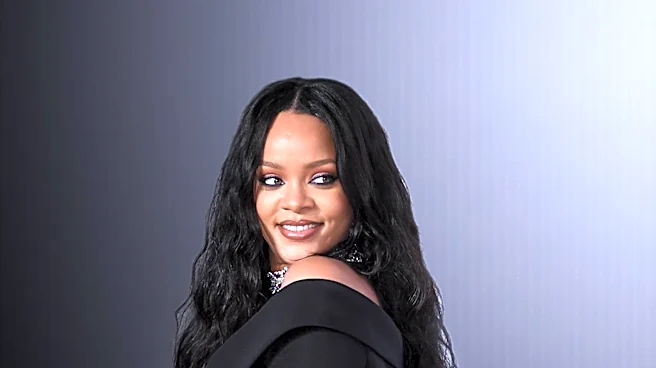
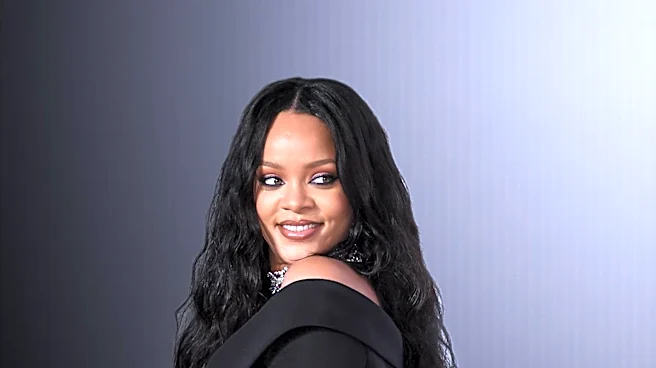
Christian Dior, under the creative direction of Jonathan Anderson since June 2025, has unveiled its 2027 'Lady Dior' handbag campaign featuring Barbadian singer Rihanna and her 14-month-old daughter, Rocki Irish Mayers. The campaign, photographed by Sam
Rock, showcases Anderson's variation of the iconic Lady Dior bag, originally designed by Gianfranco Ferré in 1994. This marks a continued collaboration between Dior and Rihanna, who has previously been the face of the J'adore fragrance. The inclusion of Rihanna's daughter in the campaign has generated significant discussion among fashion enthusiasts, with many expressing strong opinions regarding the creative direction and the choice of models for the luxury brand's advertisement.
Why It's Important?
This campaign is important as it reflects a growing trend in luxury fashion to incorporate celebrity families and personal narratives into marketing strategies. By featuring Rihanna and her daughter, Dior aims to connect with a broader audience, potentially appealing to younger demographics and fans of the celebrity. However, the mixed reactions from fashion forum members, ranging from critiques of the campaign's relevance and style to disapproval of including a child, highlight the risks associated with such approaches. The campaign's reception could influence future marketing decisions within the luxury sector, particularly concerning the use of celebrity children and the balance between traditional brand image and contemporary appeal. The success or failure of this strategy could set a precedent for how other high-end brands approach their advertising in an increasingly social media-driven landscape.
What's Next?
The ongoing discussion and public reception of the 2027 Lady Dior campaign will likely influence Dior's future marketing strategies and celebrity endorsements. The brand will be monitoring consumer feedback and sales performance to assess the effectiveness of this approach. Other luxury brands will also be observing the outcome, potentially adjusting their own campaign plans based on Dior's experience. The fashion industry may see a re-evaluation of the role of celebrity children in advertising, with brands weighing the potential for increased visibility against the risk of alienating traditional clientele or facing criticism for perceived 'unclassy' or 'irrelevant' choices. Future campaigns from Dior and its competitors could either double down on family-centric themes or revert to more conventional, product-focused advertising.
Beyond the Headlines
The campaign raises deeper questions about the evolving nature of luxury branding and the commodification of celebrity personal lives. The inclusion of Rihanna's daughter blurs the lines between public and private, leveraging the emotional appeal of family for commercial gain. This trend could lead to ethical considerations regarding the exposure of minors in high-profile advertising and the potential impact on their privacy and development. Furthermore, the strong negative reactions from some fashion critics suggest a tension between the desire for innovation and the preservation of a brand's heritage and perceived exclusivity. This development could signify a long-term shift in how luxury brands define and maintain their aspirational image in an era where authenticity and relatability are increasingly valued, yet often clash with traditional notions of luxury.