







What's Happening?
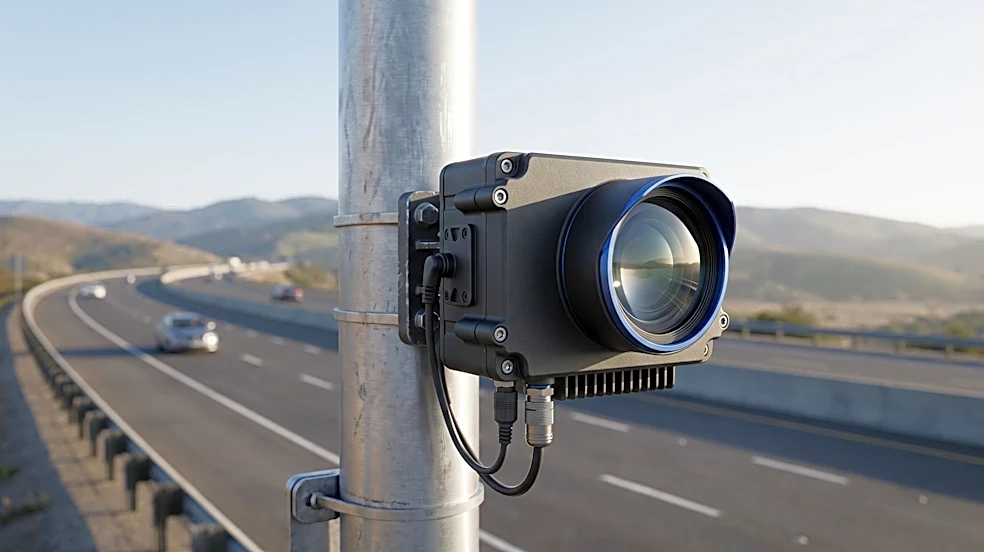
Aeva's Atlas 4D lidar has received certification in Australia as a secondary speed measurement device for Sensys Gatso's automated speed enforcement systems. This marks the first time such a certification has been granted for this type of technology.
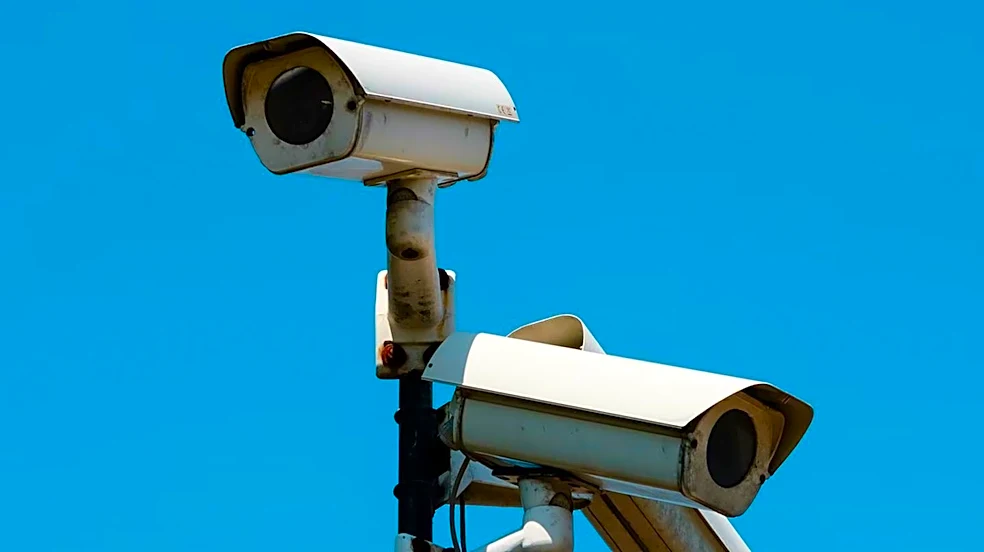
The dual-sensor systems integrate Aeva's lidar with Sensys Gatso's radar and high-resolution cameras. The lidar independently measures vehicle position and speed, providing a cross-check for radar readings. This multi-sensor verification approach is being adopted in Australia to enhance the accuracy and challenge-resistance of speeding fines. Aeva's frequency-modulated continuous wave (FMCW) technology can directly measure velocity and 3D position, covering up to six lanes of traffic in both directions with a single sensor.
Why It's Important?
While the certification is in Australia, this development is important for the U.S. technology and automotive sectors. It demonstrates a proven application for advanced lidar technology beyond autonomous vehicles, opening up new revenue streams and market opportunities for lidar manufacturers like Aeva. The success of multi-sensor verification in Australia could influence U.S. traffic enforcement agencies to explore similar technologies, potentially leading to more accurate and reliable speed enforcement systems. This could impact public policy regarding traffic safety and enforcement, as well as the development and deployment of smart city infrastructure in the U.S. Companies specializing in sensor technology and traffic management systems could see increased demand and innovation in this area.
What's Next?
Aeva and Sensys Gatso are likely to explore opportunities in other markets, including the U.S., given the successful certification in Australia. This could lead to pilot programs and eventual adoption of similar lidar-based speed enforcement systems in various U.S. states and municipalities. The precedent set by Australia's adoption of multi-sensor verification may encourage U.S. regulatory bodies to evaluate and certify such technologies. This could also spur further research and development in lidar applications for traffic management, infrastructure monitoring, and other smart city initiatives, potentially creating new partnerships and collaborations within the U.S. tech industry.
Beyond the Headlines
The certification of lidar for speed enforcement raises deeper implications regarding privacy and surveillance. While the technology offers enhanced accuracy and potentially reduces the need for camera systems that record images of individuals, the ability of advanced sensors to track vehicle movements and speeds with high precision could lead to discussions about data collection, storage, and usage. This development also highlights the evolving role of technology in public safety and law enforcement, pushing the boundaries of what is technically feasible and legally permissible. The long-term societal impact could involve a shift in public perception of traffic enforcement, moving towards more data-driven and automated systems, which may necessitate new regulatory frameworks to balance efficiency with individual rights.