





What's Happening?
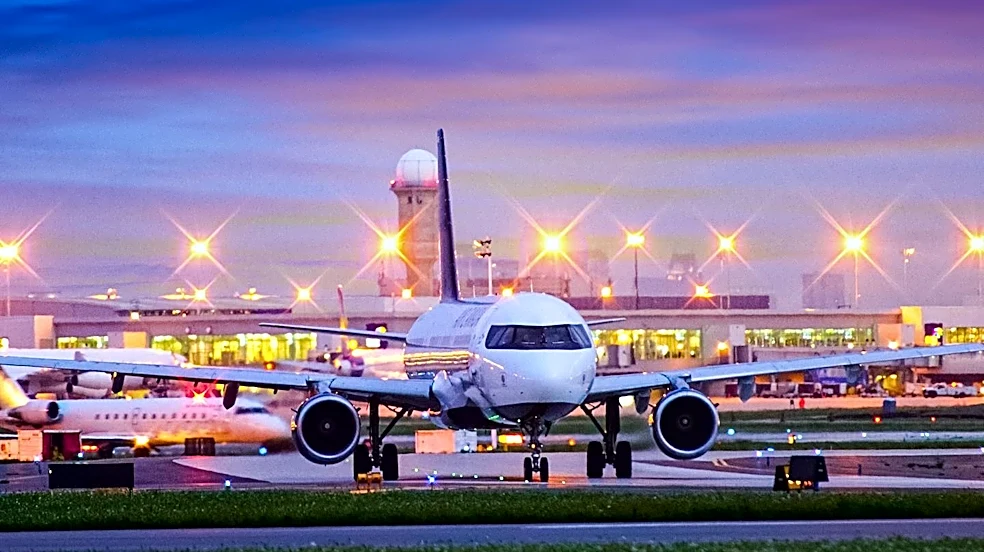
SkyWest, Inc., operating as SkyWest dba, serves as a critical regional carrier within the United States aviation network. Unlike primary airlines, SkyWest rarely markets itself directly to the public. Instead, it operates under long-term service agreements
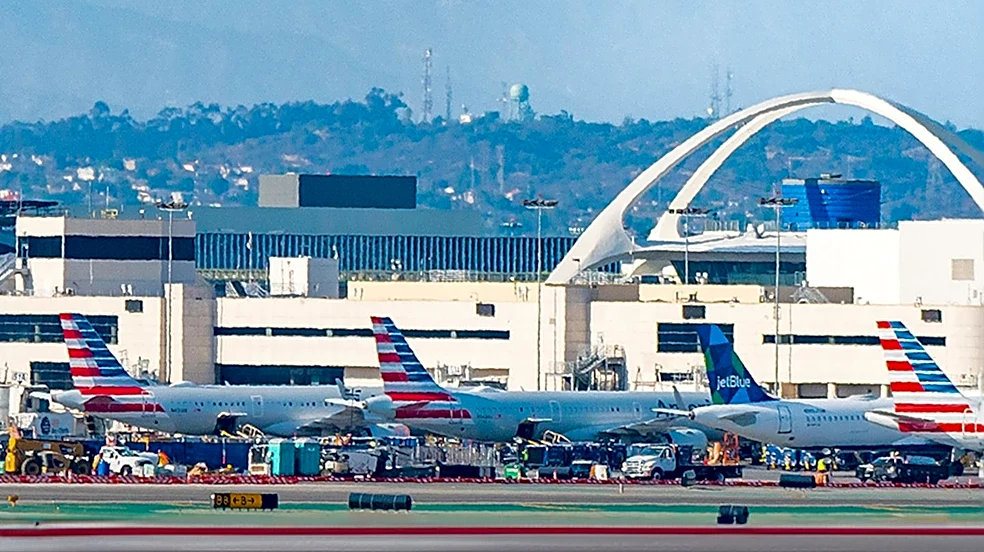
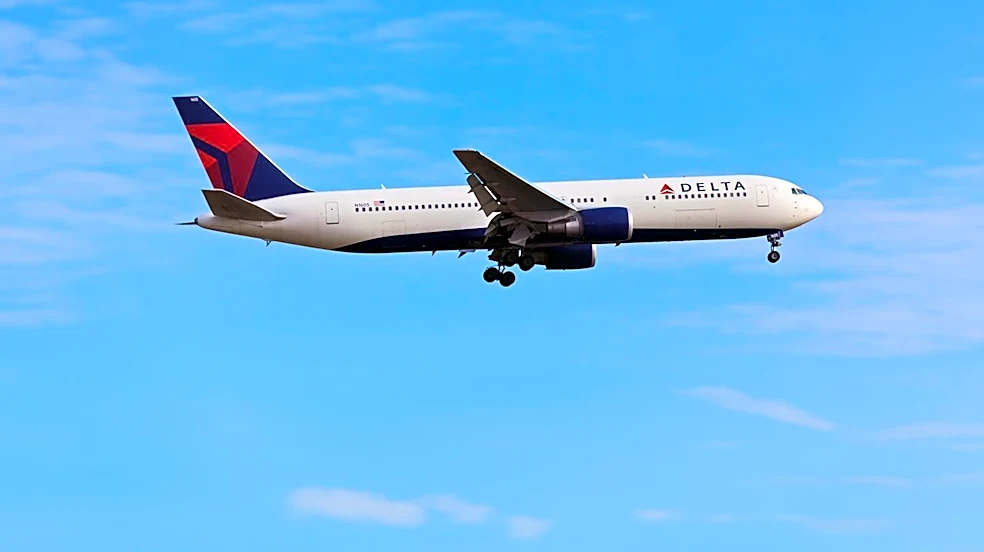
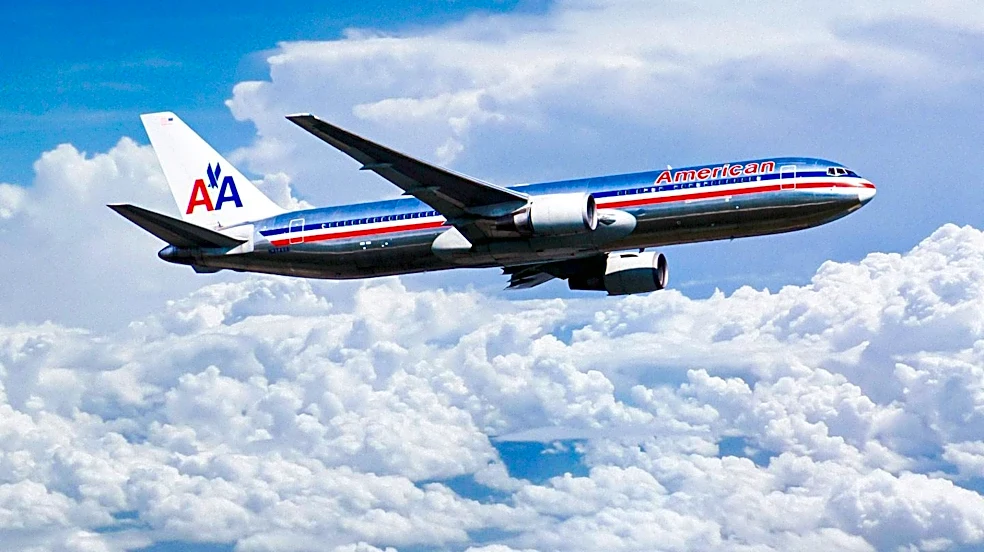
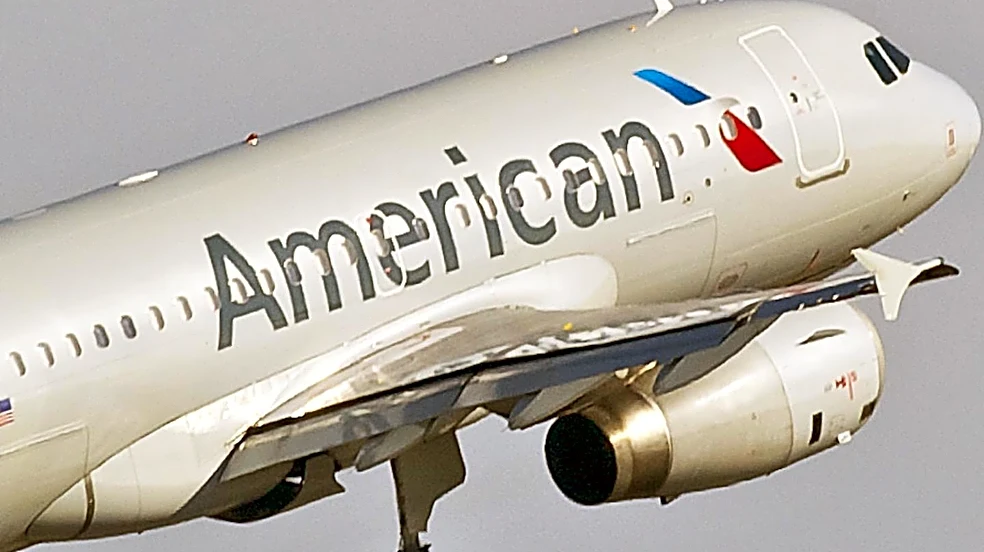
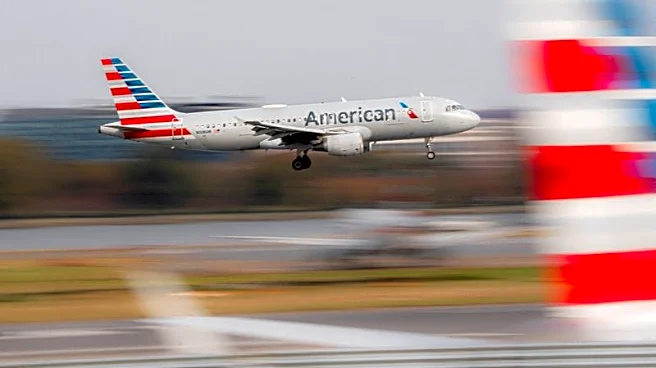
with major carriers such as Delta Air Lines, United Airlines, and American Airlines. This business model positions SkyWest as a 'commuter' or 'contract' carrier, providing scheduled service on behalf of these larger airlines. The process involves SkyWest entering into contracts that specify routes, frequencies, aircraft types, and performance metrics. Flights operated by SkyWest are then marketed and sold under the brand of the major airline, ensuring brand integration and consistency for travelers. SkyWest employs its own pilots, cabin crew, and maintenance personnel, who are trained to meet the standards of the partner airlines, ensuring operational consistency and safety compliance. This structure allows major airlines to extend their reach into smaller markets without the financial burden of operating smaller aircraft themselves.
Why It's Important?
The SkyWest dba model is crucial for the modern hub-and-spoke air travel system in the U.S., enabling major airlines to maintain a broad network. This approach offers significant economic efficiency, as it is more cost-effective for large airlines to contract regional services than to acquire and maintain the necessary aircraft and personnel independently. It also facilitates rapid geographic expansion into new markets, allowing new routes to be launched quickly by assigning existing SkyWest resources to new contracts. Furthermore, this model helps mitigate financial risk for mainline carriers, as the burden of operating in smaller, potentially less profitable markets is transferred to the regional operator. Despite being a regional operator, SkyWest adheres to rigorous safety and operational standards, with its pilots often having mainline experience and its maintenance protocols audited by partner airlines and regulatory bodies. This ensures that the regional network, which serves over 400 destinations across North America, maintains high levels of consistency and safety, connecting mid-sized and rural communities to the national air travel system.
What's Next?
The SkyWest dba model is expected to continue evolving, particularly in response to ongoing discussions and potential changes regarding pilot pay and working conditions within the regional aviation industry. These factors could reshape the economic landscape of the business. Additionally, the industry's push for new technologies, such as more fuel-efficient regional aircraft, will likely influence the types of planes operated under the SkyWest name. The demand for air connectivity in smaller cities is anticipated to remain strong, ensuring the continued relevance and necessity of regional carriers like SkyWest. While the model has faced challenges, including scrutiny over pilot compensation and vulnerability to industry downturns, its strategic importance in connecting diverse communities across the U.S. suggests its enduring role in American aviation.
Beyond the Headlines
The SkyWest dba model highlights a deeper trend in the aviation industry towards specialization and consolidation. By outsourcing regional operations, major airlines can concentrate on their core strengths, such as long-haul international travel and premium services, while relying on partners for regional connectivity. This intricate partnership, often invisible to the average traveler, underscores the complex logistics required to maintain a vast and interconnected air travel network. The model also brings to light ethical considerations regarding the disparity in compensation and working conditions between mainline and regional airline crews, a persistent point of contention for labor unions. The reliance on a 'doing business as' structure, where the public-facing brand differs from the legal corporate entity, also raises questions about accountability and transparency, even as regulatory bodies like the FAA and DOT hold the operating certificate of the legal entity responsible for safety and operations.