







What's Happening?
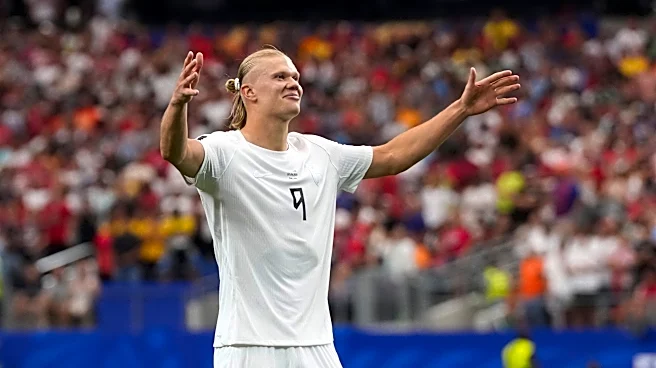
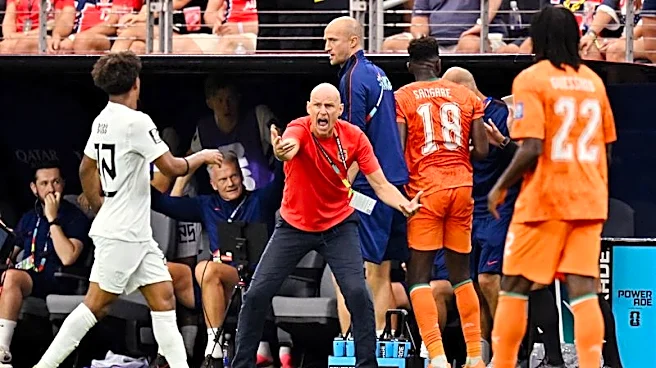
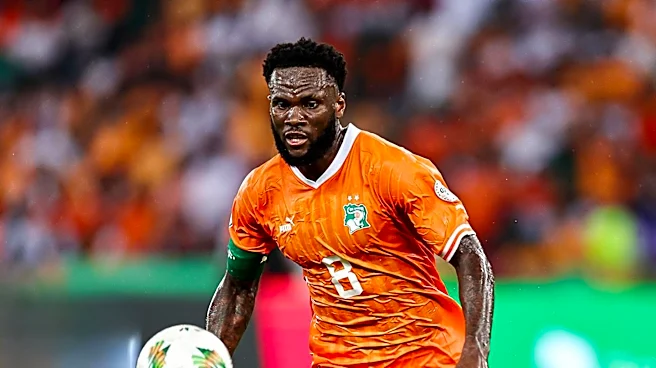
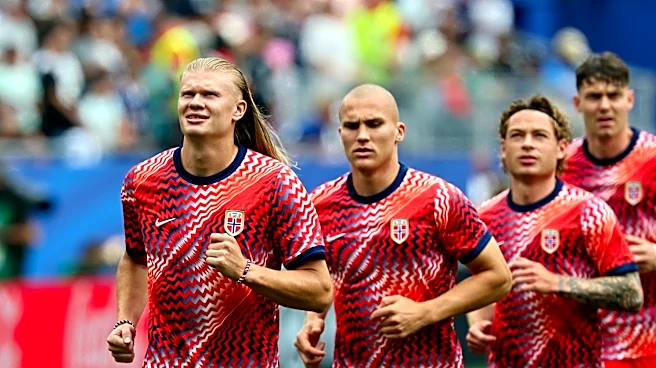
Ivory Coast's national football team concluded their World Cup journey with a 2-1 defeat against Norway in the round of 32. The match, held in Dallas, saw Norway's Erling Haaland score a decisive late goal, ending Ivory Coast's hopes of advancing further.
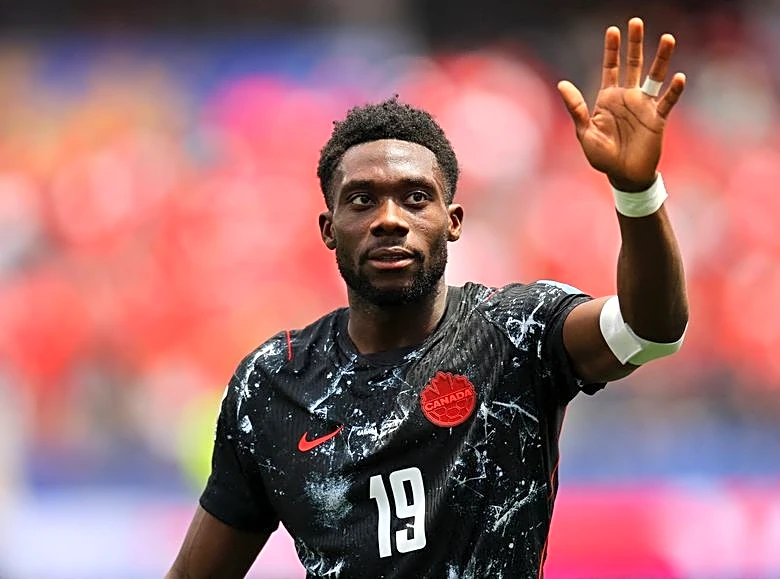
Despite the loss, the team showcased significant potential, particularly through Amad Diallo's equalizer. This tournament marked a historic achievement for Ivory Coast as it was their first time reaching the knockout stage. The squad, noted for being the youngest in the tournament with an average age of 25.35, demonstrated their capability to compete at a high level, even against formidable opponents like Germany and Norway.
Why It's Important?
The performance of Ivory Coast at the World Cup is significant as it highlights the emergence of a new generation of African football talent. The team's ability to reach the knockout stage for the first time breaks a long-standing psychological barrier and sets a new standard for future competitions. This experience is expected to be invaluable for the young squad, which includes promising players like Diallo, Oumar Diakite, and Elye Wahi. Their participation in the World Cup provides them with critical exposure and experience, which could lead to greater success in future international tournaments. The team's depth and quality suggest that Ivory Coast could become a dominant force in African football, potentially influencing the dynamics of international competitions.
What's Next?
Looking ahead, Ivory Coast's young squad is expected to build on their World Cup experience. The lessons learned from competing against top-tier teams will be crucial for their development. The team will likely focus on refining their tactical play and improving their composure in critical moments. As they prepare for future tournaments, including the Africa Cup of Nations and the next World Cup, the players' growth and increased experience could position Ivory Coast as a formidable contender on the global stage. The team's management and coaching staff will play a vital role in nurturing this talent and maintaining the momentum gained from their recent achievements.
Beyond the Headlines
The broader implications of Ivory Coast's World Cup performance extend beyond sports. Their success can inspire other African nations to invest in youth development and talent nurturing, potentially leading to a stronger presence of African teams in international football. Additionally, the team's achievements could foster national pride and unity, serving as a catalyst for social and cultural cohesion within Ivory Coast. The psychological breakthrough of reaching the knockout stage may also encourage a shift in mindset, where African teams see themselves as equals to their European and South American counterparts, thus elevating the overall competitiveness of international football.