





What's Happening?
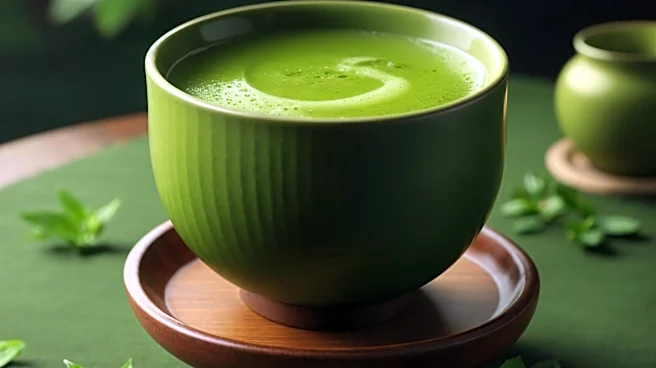
Matcha, a finely ground powder of specially grown and processed green tea leaves, is gaining recognition as a beneficial alternative to conventional energy drinks and high-caffeine coffees. Unlike the rapid energy surge and subsequent crash often associated
with other caffeinated beverages, matcha provides a more gradual and sustained energy boost. This is attributed to the balanced presence of caffeine with L-theanine and epigallocatechin gallate (EGCG), compounds that help reduce anxious spikes and maintain focus. Beyond energy, matcha is rich in antioxidants, particularly polyphenols and catechins, which support the immune system, reduce stress, and may contribute to improved cognitive function, skin health, and even weight management. Its unique cultivation process, involving shade-growing, enhances its chlorophyll content, contributing to its distinctive earthy flavor and vibrant green color.
Why It's Important?
The rise of matcha as a preferred beverage reflects a growing consumer demand for healthier alternatives to sugary and highly caffecaffeinated drinks. This shift is significant for public health, as it encourages a move away from beverages linked to potential negative health outcomes like sugar crashes, anxiety, and cardiovascular stress. For the beverage industry, it signals a market trend towards natural, functional ingredients with perceived health benefits. The sustained energy and cognitive enhancement offered by matcha can appeal to a broad demographic, from students and professionals seeking focus without jitters, to individuals looking for antioxidant-rich options. This trend could influence product development and marketing strategies across the food and beverage sector, emphasizing wellness and natural ingredients.
What's Next?
As awareness of matcha's benefits grows, its presence in cafes, grocery stores, and health food markets is likely to expand further. Consumers can expect to see more matcha-based products, including ready-to-drink options, powders for home preparation, and even culinary applications. Research into the full spectrum of matcha's health benefits, particularly its impact on cognitive function and chronic disease prevention, may continue to evolve, providing more scientific backing for its claims. This increased demand could also lead to greater scrutiny of sourcing and quality standards within the matcha industry to ensure authenticity and purity.
Beyond the Headlines
Matcha's growing popularity also highlights a cultural shift towards incorporating ancient wellness practices into modern lifestyles. Originating from traditional Japanese tea ceremonies, matcha embodies a mindful approach to consumption, contrasting with the fast-paced, often unmindful consumption of energy drinks. This trend suggests a deeper consumer interest in products that offer both physical benefits and a sense of well-being or ritual. The emphasis on antioxidants and sustained energy also aligns with a broader preventative health movement, where individuals seek to optimize their health through diet and lifestyle choices rather than relying solely on reactive treatments. This could foster a greater appreciation for traditional foods and beverages with proven health benefits.