







What's Happening?
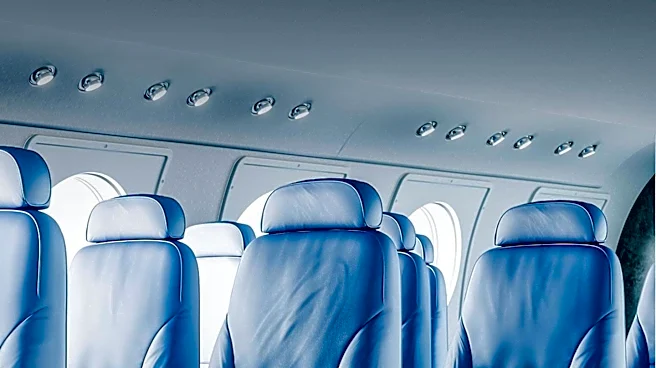
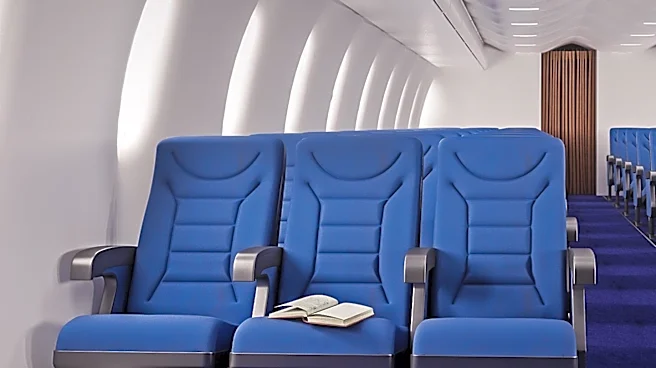
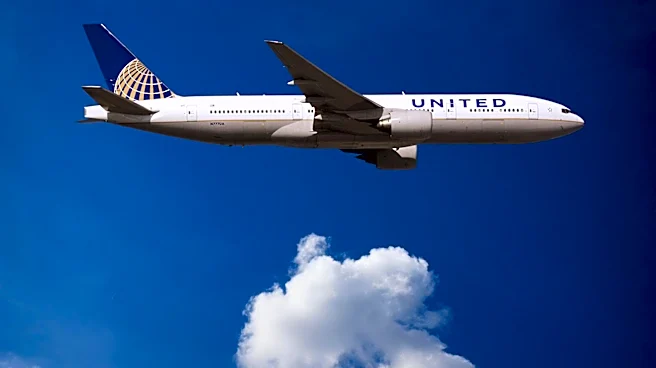
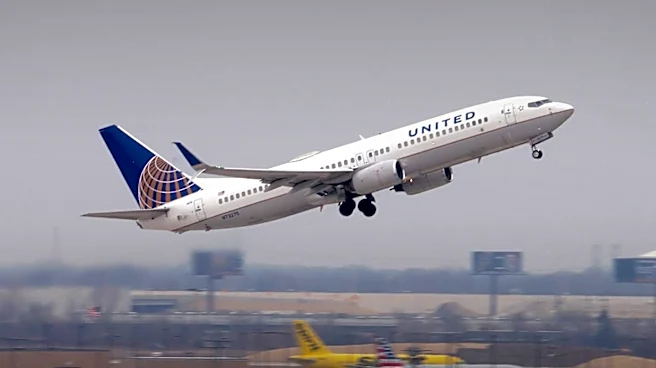
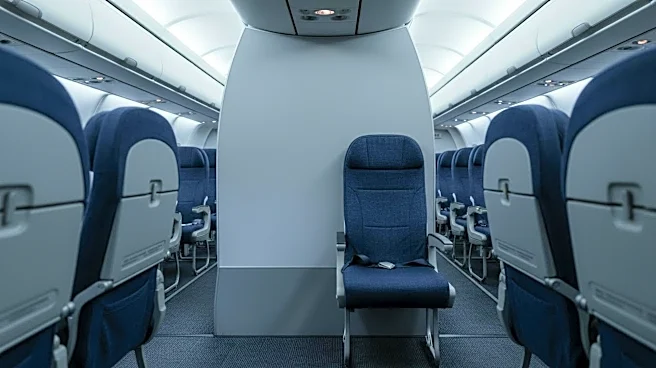
A federal judge has ruled that United Airlines must face a class-action lawsuit filed by passengers who allege they were charged extra for window seats that did not have actual windows. The lawsuit claims that United Airlines sold seats on Boeing 737s,
757s, and Airbus A321s as window seats, even though some of these seats were adjacent to blank cabin walls. U.S. District Judge James Donato found that the plaintiffs plausibly alleged a breach of contract, as United's reservation systems and boarding passes indicated that customers had purchased window seats. The judge rejected United's argument that the term 'window seat' merely refers to the seat's position relative to the aisle, allowing the case to proceed.
Why It's Important?
This lawsuit highlights the importance of transparency in airline seat selection processes and could have significant implications for the airline industry. If successful, the lawsuit may lead to increased scrutiny of how airlines market and sell their seating options, potentially resulting in changes to industry practices. Passengers who pay premiums for window seats often do so for the view or to alleviate anxiety, making the accurate representation of seat features crucial. The outcome of this case could set a precedent for how airlines must disclose seat characteristics, impacting customer satisfaction and trust.
What's Next?
The case will proceed in federal court, where the plaintiffs seek to represent a nationwide class of passengers who paid extra for window seats but received seats without windows. United Airlines has updated its seat selection process to provide more detailed information about seat features, which may influence the court's decision. The airline industry and consumer advocacy groups will likely monitor the case closely, as its outcome could lead to regulatory changes or new industry standards regarding seat marketing and transparency.