






What's Happening?
Amazon is providing a range of fall fashion items that emulate the style of the sustainable brand Reformation, but at significantly lower price points, all under $55. Reformation is recognized for its timeless and trendy designs, which often come with
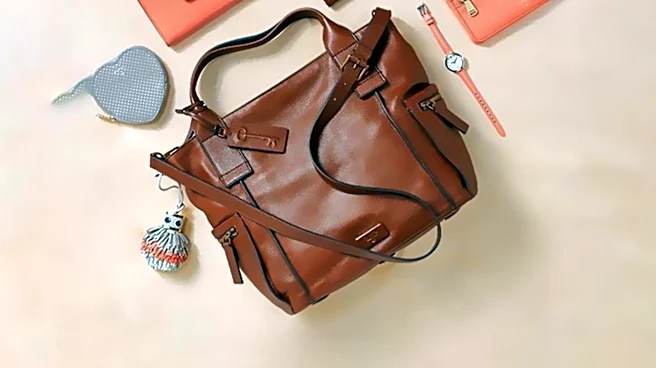
a higher cost. The Amazon alternatives include various apparel and accessories such as floral mini dresses, soft cardigans, lacy button-down tops, Bermuda-style shorts, satin-like pants, kitten heel boots, quirky crewnecks, vegan leather shoulder bags, and modern leather jackets. These items aim to offer consumers the 'cool-girl fall look' without the premium price tag associated with the original brand. The selection also features year-round staples like satin skirts and versatile long black dresses, designed to be styled for both formal and casual occasions. This trend highlights a growing consumer interest in achieving popular fashion aesthetics through more accessible and budget-friendly options.
Why It's Important?
This development is important for the U.S. retail market as it reflects a broader trend of fast fashion retailers adapting to consumer demand for popular styles at lower prices. For consumers, it means increased accessibility to current fashion trends, allowing a wider demographic to participate in popular aesthetics without significant financial outlay. This can democratize fashion, making 'designer-inspired' looks available to more people. However, it also raises questions about the sustainability practices of these lower-cost alternatives, especially when compared to brands like Reformation, which explicitly prioritize eco-friendly production. While offering affordability, these Amazon-sourced items may not adhere to the same environmental or ethical standards, potentially undermining the efforts of sustainable fashion brands. The availability of such alternatives could influence purchasing decisions, shifting market share from higher-end, sustainable brands to more budget-friendly options, thereby impacting the business models of both segments.
What's Next?
The trend of affordable, brand-inspired fashion is likely to continue, with more retailers, particularly online giants like Amazon, expanding their offerings to mimic popular styles. Consumers can expect to see an even wider array of 'lookalike' products as fashion cycles accelerate and demand for accessible trends grows. This could lead to increased competition for established fashion brands, prompting them to either innovate further in sustainability and design or adjust their pricing strategies. There may also be a growing conversation around the ethical implications of fast fashion, particularly concerning labor practices and environmental impact, as consumers become more aware of the differences between original sustainable brands and their affordable counterparts. Brands like Reformation might emphasize their commitment to sustainability and quality even more to differentiate themselves in a crowded market.
Beyond the Headlines
The proliferation of 'lookalike' fashion items on platforms like Amazon points to a deeper cultural phenomenon: the democratization of style and the influence of social media on consumer behavior. As trends emerge rapidly, often driven by celebrity endorsements or viral content, there's an immediate demand for accessible versions. This creates a tension between aspirational fashion and practical affordability. While it allows more people to express themselves through current styles, it also highlights the challenges faced by brands that invest heavily in original design and sustainable practices. The ease with which designs can be replicated and sold at lower prices can stifle innovation and make it difficult for smaller, ethical brands to compete. This dynamic also encourages a consumption model that prioritizes quantity and rapid turnover over durability and ethical production, potentially exacerbating environmental concerns associated with the fashion industry.