





What's Happening?
The film "We’re All Going to the World’s Fair," directed by Jane Schoenbrun, is currently available for streaming on the Criterion Channel, alongside other platforms like Kanopy and Hoopla. This intimate coming-of-age horror film, which first premiered
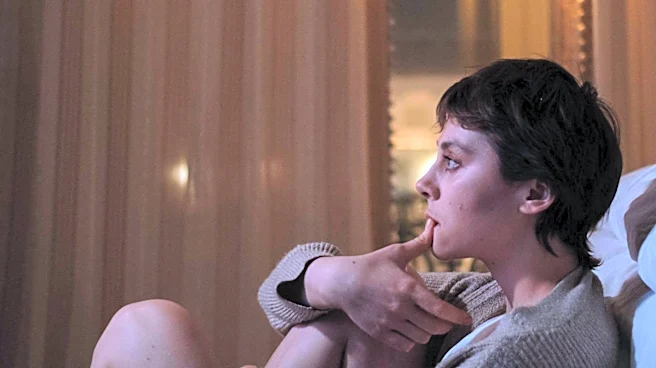
at Sundance in 2021, centers on a lonely young girl named Casey. The narrative unfolds as Casey participates in the 'World’s Fair Challenge,' an online phenomenon described as a blend of ARG (Alternate Reality Game) and creepypasta. This challenge involves a ritualistic act, including a mantra and bloodletting, which participants believe will lead to mysterious transformations. Casey documents her experiences and perceived changes through webcam videos, seeking connection in an increasingly online world. The film explores themes of isolation and the search for belonging, notably avoiding the common coming-of-age trope of sexual awakening. A significant element of unease is introduced through Casey's interactions with JLB, a middle-aged man who expresses concern for her, adding a layer of ambiguity and potential grooming to the narrative.
Why It's Important?
The availability of "We’re All Going to the World’s Fair" on the Criterion Channel highlights the platform's commitment to showcasing unique and critically acclaimed independent cinema. This film's exploration of online culture, isolation, and the psychological impact of digital challenges resonates deeply in contemporary society, particularly among younger generations who navigate complex online identities and communities. Its departure from traditional coming-of-age narratives, by focusing on a non-sexualized search for belonging, offers a fresh perspective on adolescent experiences. The film's use of body horror tropes in an original context, combined with its uncomfortable ambiguity, contributes to its significance as a piece of indie cinema. For viewers, it provides a thought-provoking commentary on the blurred lines between online and offline realities, and the potential vulnerabilities that arise in highly connected, yet often isolating, digital spaces. The film's presence on a prestigious platform like Criterion Channel also underscores its artistic merit and cultural relevance.
What's Next?
As "We’re All Going to the World’s Fair" continues to be accessible on streaming platforms, it is likely to reach a broader audience, potentially sparking further discussions about its themes of online isolation, identity, and the nature of horror in the digital age. The film's unique approach to storytelling and its critical reception may influence future independent filmmakers exploring similar subject matter. Its presence on the Criterion Channel could also encourage more viewers to seek out other works by Jane Schoenbrun, including their more recent film, "Teenage Sex and Death at Camp Miasma." The ongoing availability on multiple streaming services ensures its continued relevance and accessibility for film enthusiasts and those interested in contemporary social commentary through cinema. The film's nuanced portrayal of online interactions and their psychological effects may also contribute to broader conversations about digital well-being and the impact of internet culture on youth.
Beyond the Headlines
Beyond its immediate narrative, "We’re All Going to the World’s Fair" delves into the deeper psychological and sociological implications of internet culture. The film subtly critiques the ways in which online challenges and communities can become substitutes for genuine human connection, particularly for individuals experiencing loneliness. The ambiguous relationship between Casey and JLB raises ethical questions about online interactions, the potential for exploitation, and the difficulty of discerning intent in digital spaces. The film's voyeuristic quality, achieved through its webcam-style presentation, mirrors the pervasive nature of surveillance and self-documentation in modern life. It suggests a long-term shift in how individuals, especially adolescents, construct their identities and seek validation, often through performative acts online. This cinematic exploration serves as a cultural artifact reflecting the anxieties and complexities of growing up in a hyper-connected yet often emotionally distant world, prompting viewers to consider the ethical boundaries and psychological impacts of digital engagement.