

What's Happening?
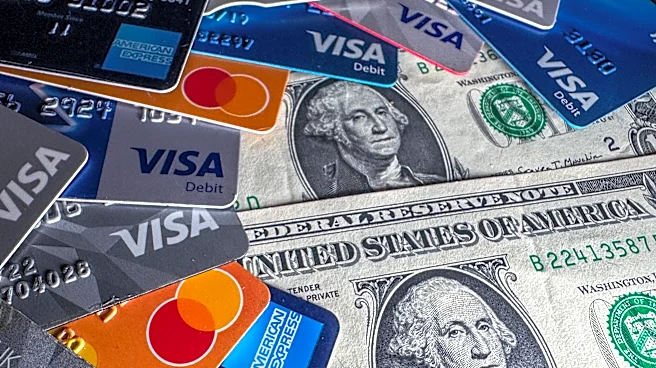
Visa projects a 4.5% increase in holiday sales for the upcoming season. This growth, however, is largely attributed to elevated inflation, with consumer prices for holiday-related goods expected to climb by 3.4% from the previous year. This means the inflation-adjusted
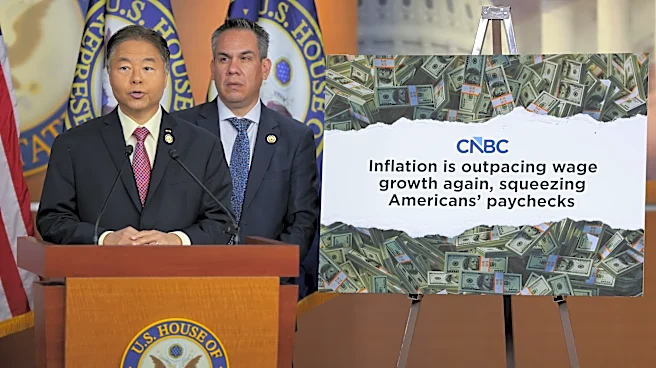
gain in sales is a more modest 1.1%. Michael Brown, principal U.S. economist at Visa, notes that consumers are willing to spend, but are making thoughtful choices about their expenditures. Inflation is eroding consumer purchasing power, as real disposable income growth is around 1.8% while the Consumer Price Index (CPI) is up over 4%. The higher cost of holiday travel is anticipated to shift consumer demand from travel-related spending towards physical gifts. Analysis of September airfare bookings indicates a sharp pullback across nearly all income groups, suggesting that high travel costs are limiting holiday trips primarily to affluent households. Lower and middle-income households face less flexibility due to higher prices in travel and transportation sectors.
Why It's Important?
This forecast highlights the significant impact of inflation on U.S. consumer spending patterns and the broader economy. While a 4.5% increase in holiday sales might appear positive, the underlying inflation-adjusted growth of only 1.1% indicates that much of this 'growth' is simply a reflection of higher prices rather than increased purchasing volume. This trend suggests a continued erosion of consumer purchasing power, particularly for lower and middle-income households, who are being forced to make more deliberate choices and potentially trade down to lower-cost brands. The shift from experiential spending, like travel, to physical gifts could benefit retailers of goods, but it also underscores the financial strain many families are experiencing. The disparity in holiday travel between affluent and other income groups further illustrates a widening economic gap, where discretionary spending is increasingly concentrated among higher earners. This situation could lead to uneven performance across different retail sectors and income-dependent businesses.
What's Next?
Consumers are expected to continue prioritizing value and making strategic spending decisions throughout the holiday season. Retailers will likely adapt by offering a range of price points and promotions to cater to both affluent and budget-conscious shoppers. The trend of holiday shopping spreading out across the fourth quarter is also expected to continue, providing a slight tailwind to overall sales. Risks to this forecast include sustained high energy prices, which could further impact goods prices and consumer spending. Businesses, particularly those in the travel and transportation sectors, may need to adjust their strategies to account for reduced demand from non-affluent consumers. The emphasis on physical gifts could lead to increased competition among retailers for these purchases. The ongoing economic environment will likely see consumers seeking discounts and potentially cutting back on non-essential purchases, influencing marketing and sales approaches for the remainder of the year.
Beyond the Headlines
The current economic climate, characterized by elevated inflation and uneven income growth, is reshaping consumer behavior beyond just holiday spending. The observation that the top quarter of shoppers now controls two-thirds of all retail spending, compared to the top third pre-COVID, points to a significant K-shaped economic recovery. This divergence suggests that while some segments of the population are thriving, a larger portion is struggling with reduced purchasing power. This shift has profound implications for long-term market strategies, potentially leading to a more bifurcated retail landscape where businesses must cater to either high-end or value-oriented consumers, rather than a broad middle market. The ethical dimension arises from the increasing difficulty for lower and middle-income households to maintain their standard of living, potentially exacerbating social inequalities. This economic stratification could also influence policy discussions regarding income support, inflation control, and consumer protection measures.