








What's Happening?
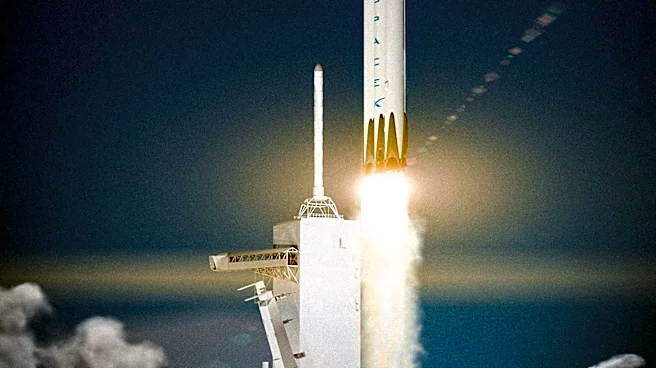
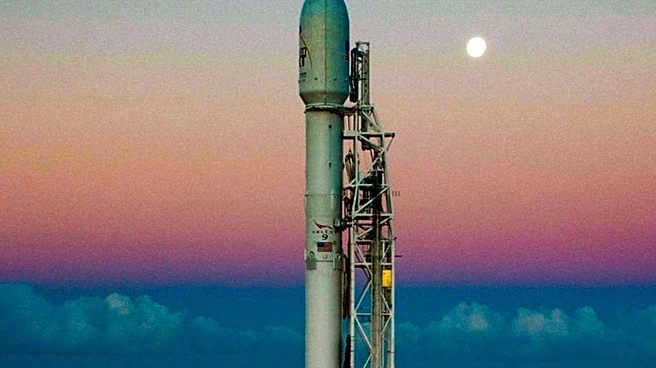
SpaceX experienced a rare last-second launch abort of its Falcon 9 rocket at Vandenberg Space Force Base. The mission, designated Starlink 17-39, was intended to deploy two dozen Starlink V2 Mini broadband internet satellites into low Earth orbit. The launch was scheduled
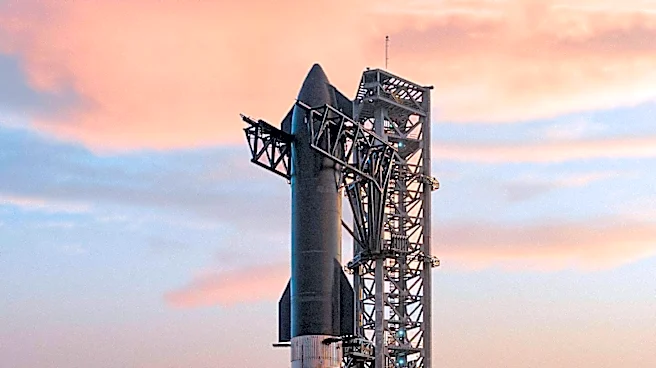
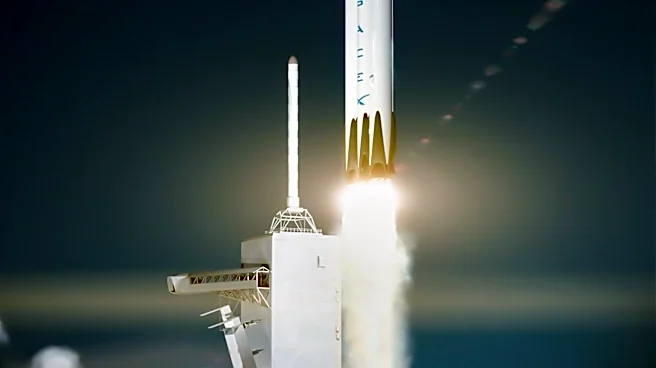
for 7:49 a.m. PDT but was halted after the nine Merlin engines briefly ignited and then shut down. SpaceX has not provided a detailed explanation for the abort but confirmed that both the vehicle and payload remain safe. This incident marks the second launch scrub for SpaceX in less than a week, following a similar issue with the Starship-Super Heavy rocket at the company's Starbase in Texas.
Why It's Important?
The abort of the Falcon 9 launch highlights the challenges and complexities involved in space missions, even for a company as experienced as SpaceX. The Starlink project is crucial for SpaceX's goal of providing global high-speed internet coverage, and any delays can impact the deployment schedule and service availability. Additionally, the incident underscores the importance of rigorous safety protocols in space operations, as the quick shutdown of engines prevented potential damage to the rocket and payload. This event may prompt SpaceX to review and enhance its launch procedures to prevent future occurrences.
What's Next?
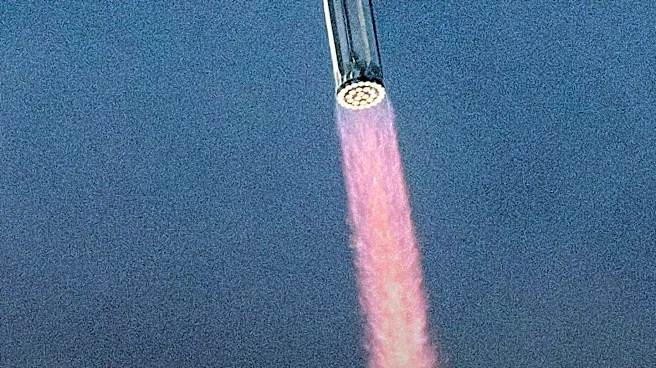
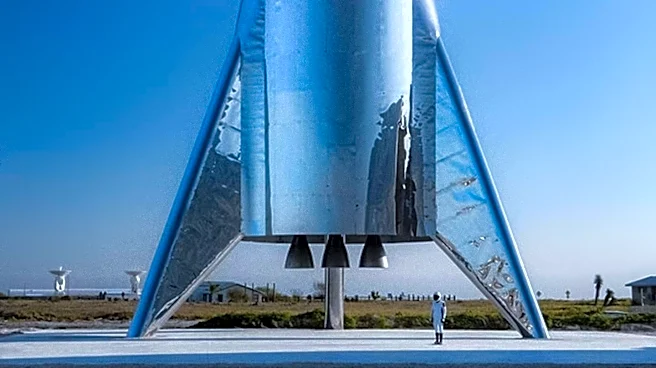
SpaceX has rescheduled the Falcon 9 launch for the following day, with a new window opening at 7 a.m. PDT. The company will likely conduct a thorough investigation to determine the cause of the engine shutdown and ensure the reliability of future launches. Meanwhile, the Starship Flight 13 mission, which also faced a recent abort, is tentatively set for July 23, though weather conditions in the Gulf of Mexico could pose additional challenges. SpaceX's ability to address these technical and environmental hurdles will be critical for maintaining its launch cadence and meeting its ambitious project timelines.