




What's Happening?
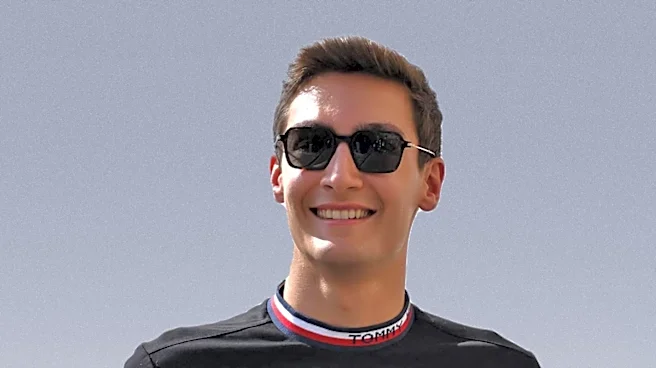
During the practice sessions for the Austrian Grand Prix, George Russell, a Mercedes driver, expressed concerns about McLaren's performance, noting it as a significant threat to Mercedes. In the second practice session (FP2), Kimi Antonelli led the time
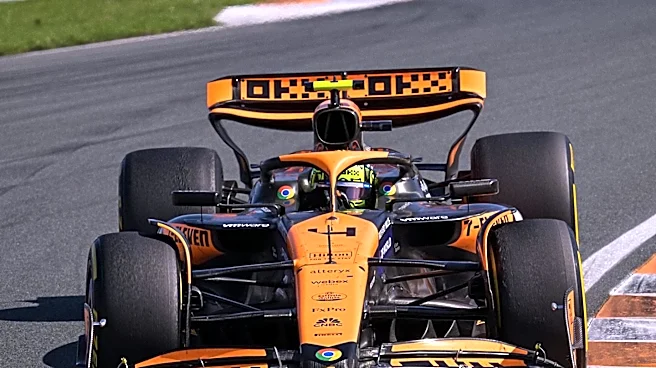
sheets, while Russell finished sixth, trailing behind McLaren drivers Oscar Piastri and Lando Norris. Russell pointed out McLaren's impressive single-lap and race pace as areas of concern for Mercedes. Despite these challenges, Russell maintained a calm demeanor, suggesting there was 'nothing to be concerned about' regarding his qualifying simulations. The practice sessions also saw McLaren performing well, with Norris overcoming initial setbacks to deliver strong long-run performance, positioning McLaren as a potential challenger to Mercedes.
Why It's Important?
The performance of McLaren during the practice sessions is significant as it indicates a potential shift in the competitive dynamics of Formula 1. McLaren's ability to challenge Mercedes, traditionally a dominant team, could alter the competitive landscape, affecting team strategies and the championship race. For Mercedes, this development could necessitate adjustments in their approach to maintain their competitive edge. For McLaren, this performance boost could enhance their standing in the championship, attracting more sponsorship and investment. The broader impact on the sport includes increased competition, which could lead to more exciting races and heightened interest from fans and stakeholders.
What's Next?
As the Austrian Grand Prix weekend progresses, teams will continue to analyze data from the practice sessions to refine their strategies. Mercedes may need to address the pace shown by McLaren to ensure they remain competitive in the qualifying sessions and the race. McLaren, on the other hand, will aim to capitalize on their strong practice performance to secure a favorable position in the race. The upcoming qualifying sessions will be crucial in determining the starting grid and could set the tone for the race. Teams will also be monitoring weather conditions and track developments to optimize their race strategies.