


What's Happening?
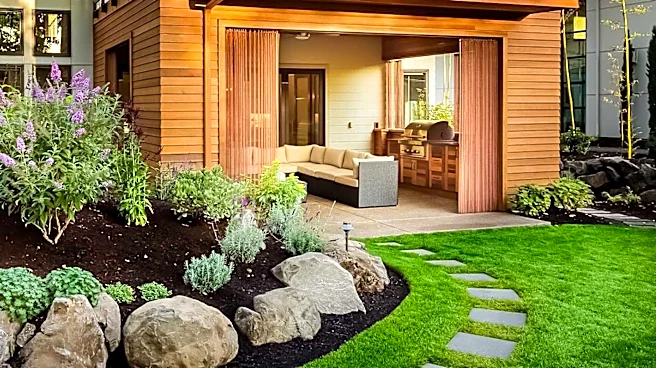
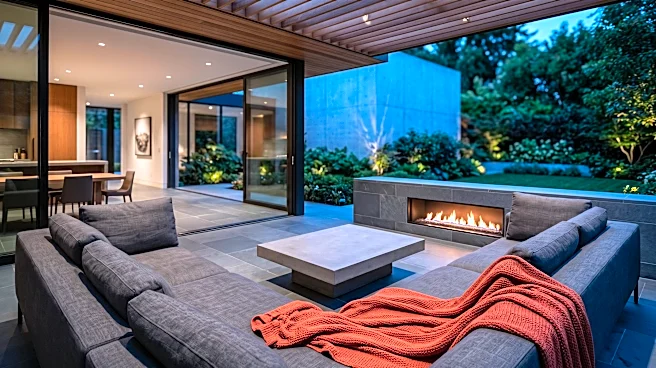
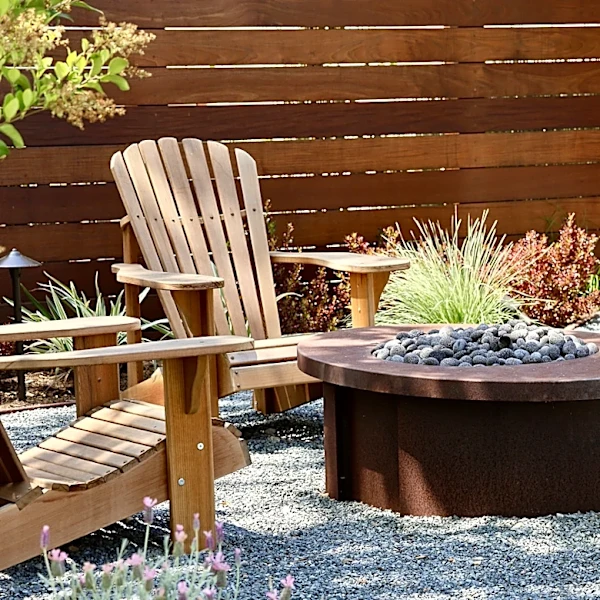
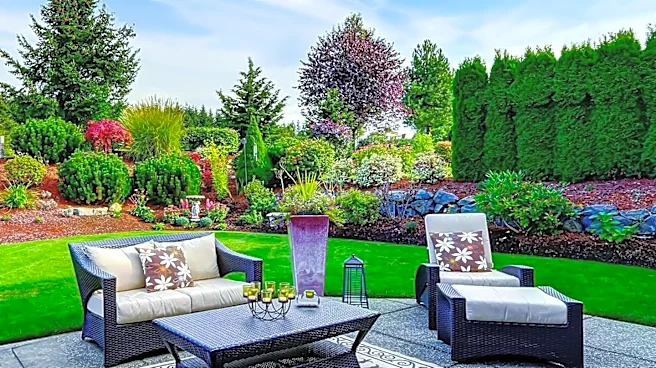
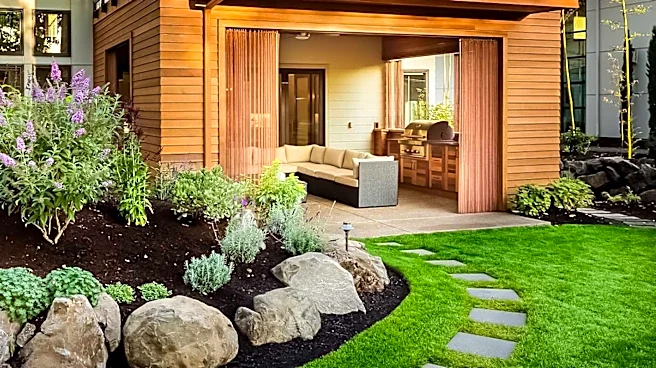
Homeowners are increasingly designing outdoor living spaces as extensions of their indoor environments, moving beyond simple patios to create multi-functional zones. This trend involves integrating various elements such as dining areas, comfortable seating
around fireplaces, and walkways that lead to gardens. The design philosophy emphasizes creating connected spaces that support different activities, utilizing changes in ceiling height, flooring materials, lighting, landscaping, and furniture to define each zone. Instead of a single large surface with scattered furniture, the focus is on intentional design that mirrors the organization of indoor rooms. For custom homes, this means considering window placement, door systems, roof overhangs, insulation, drainage, heating, and the orientation of outdoor spaces from the initial design phase. The goal is to ensure a seamless and intentional transition between indoor and outdoor areas, making outdoor spaces easily accessible from frequently used indoor rooms.
Why It's Important?
This shift in outdoor living design is significant as it transforms how homeowners interact with their properties, enhancing both functionality and lifestyle. By creating defined outdoor 'rooms,' properties gain increased usability and perceived value, offering more versatile spaces for relaxation, entertainment, and daily activities. This approach allows homeowners to maximize their property's footprint, effectively expanding living areas. The integration of design elements like covered patios, outdoor kitchens, and fire features extends the usability of these spaces across different seasons and weather conditions, making them more practical investments. This trend also reflects a broader desire for homes that offer a stronger connection to nature and outdoor environments, contributing to overall well-being and quality of life for residents.
What's Next?
The trend towards integrated outdoor living spaces is expected to continue evolving with advancements in materials and smart home technology. Future developments may include more sophisticated climate control systems for outdoor areas, such as advanced heating and cooling solutions, and automated shading. The demand for durable, weather-resistant materials that can withstand diverse climates will likely increase, driving innovation in outdoor furniture, flooring, and appliance manufacturing. Homeowners will also likely seek more personalized and customizable outdoor solutions, pushing designers and builders to offer a wider range of options that cater to specific lifestyles and regional environmental conditions. The emphasis on seamless transitions will also lead to further integration of indoor and outdoor design aesthetics and technologies.
Beyond the Headlines
Beyond the immediate benefits of enhanced living space, this trend signifies a deeper cultural shift towards valuing outdoor engagement and a more holistic approach to home design. It blurs the traditional boundaries between interior and exterior, promoting a lifestyle that embraces natural light, fresh air, and the surrounding landscape as integral components of daily living. This can have long-term implications for urban planning and residential development, encouraging designs that prioritize green spaces and outdoor amenities. Environmentally, the focus on climate-appropriate design and materials could lead to more sustainable building practices in outdoor construction. Ethically, it raises questions about equitable access to well-designed outdoor spaces, as such features often come with a higher cost, potentially widening the gap in quality of life between different socioeconomic groups.