







What's Happening?
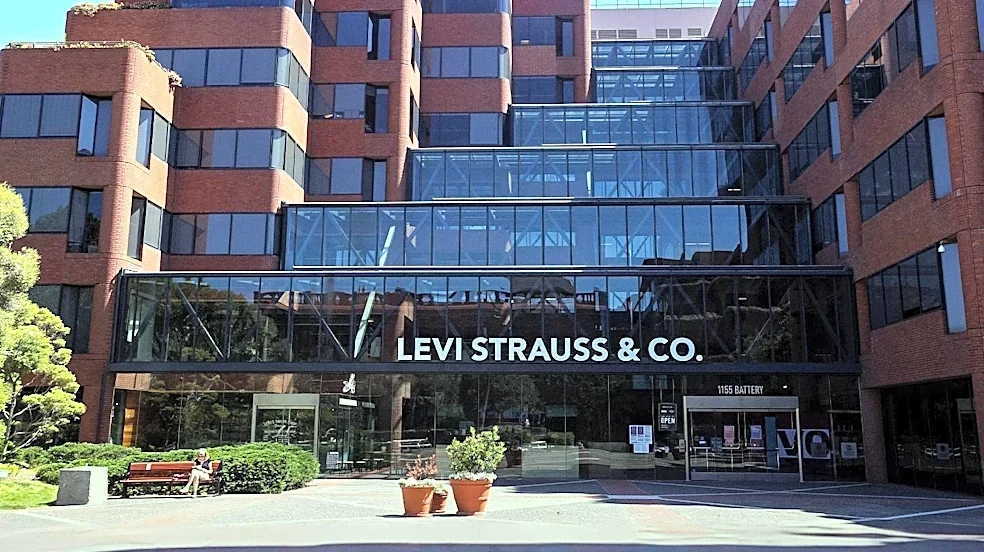
Levi Strauss & Co. is actively recruiting a Senior Manager for SAP AI Engineering, a key role focused on integrating artificial intelligence into its global SAP ecosystem. This position, based in San Francisco, CA, is central to the company's strategy
of accelerating its SAP and AI transformation. The Senior Manager will be responsible for deploying and scaling AI-enabled Enterprise Resource Planning (ERP) solutions across various core business processes, including Order-to-Cash, Procure-to-Pay, Finance, and Reconciliation. The goal is to redefine operational execution through automation, AI agents, and process intelligence. The role involves translating business opportunities into technical solutions, designing frameworks for AI agents and workflow orchestration, and establishing governance standards for AI within critical ERP processes. The company emphasizes leveraging SAP Business AI, Joule, SAP AI Core, and SAP BTP to achieve these objectives. This initiative underscores Levi Strauss & Co.'s commitment to embedding intelligent automation into its foundational business operations.
Why It's Important?
This strategic hire by Levi Strauss & Co. signifies a broader trend within the U.S. business landscape where established companies are increasingly adopting advanced AI and automation technologies to enhance operational efficiency and competitiveness. By integrating AI into its SAP ERP system, Levi Strauss aims to streamline complex business processes, reduce manual intervention, and improve decision-making through data-driven insights. This move is crucial for maintaining a competitive edge in the fast-evolving retail sector, which faces pressures from e-commerce, supply chain complexities, and changing consumer demands. The deployment of AI-enabled ERP solutions can lead to significant cost savings, improved accuracy in financial and operational tasks, and faster response times to market changes. For the U.S. job market, it highlights a growing demand for specialized skills at the intersection of enterprise software (SAP) and artificial intelligence, indicating a shift in required expertise for IT and engineering professionals. This investment in AI also positions Levi Strauss & Co. as an innovator, potentially influencing other companies in the retail and manufacturing sectors to follow suit in their digital transformation journeys.
What's Next?
The successful candidate for the Senior Manager, SAP AI Engineering role will be tasked with immediately leading the deployment and expansion of AI-enabled ERP capabilities. This will involve close collaboration with ERP engineering, SAP functional teams, architects, and business stakeholders to identify and prioritize AI use cases that deliver tangible operational value. The role will also focus on establishing standards for AI governance, auditability, observability, and monitoring to ensure the reliability and effectiveness of these new systems. Over the coming months, Levi Strauss & Co. will likely see the initial phases of these AI integrations, with a focus on specific business processes like procurement and order management. The company's emphasis on continuous improvement suggests an iterative approach to AI deployment, with ongoing monitoring of solution effectiveness through operational metrics and business impact measurements. This initiative is expected to scale AI-enabled business processes globally, advancing Levi's broader ERP modernization strategy and potentially setting new benchmarks for intelligent operations within the retail industry.
Beyond the Headlines
The integration of AI into core ERP systems, as undertaken by Levi Strauss & Co., represents a significant shift in how traditional industries approach operational management. Beyond immediate efficiency gains, this move has deeper implications for the future of work and corporate strategy. Ethically, the establishment of AI governance and auditability standards will be crucial to ensure fairness, transparency, and accountability in automated decision-making processes, particularly in areas like procurement and finance. Legally, the use of AI agents and intelligent automation may necessitate new frameworks for compliance and data privacy, especially as AI systems interact with sensitive business data. Culturally, this transformation could lead to a redefinition of roles within the company, requiring employees to adapt to new AI-driven workflows and develop skills in AI oversight and collaboration. In the long term, such widespread AI adoption could trigger a broader industry-wide shift towards 'intelligent enterprises,' where AI is not just a tool but an integral part of the operational fabric, potentially leading to new business models and competitive advantages for early adopters like Levi Strauss & Co.