







What's Happening?
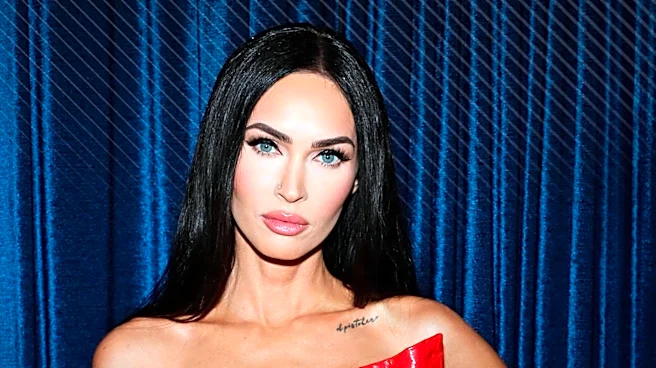
Megan Fox has launched a subscription-based channel on Subs.com, offering exclusive paid content to her fans. The actress has set her monthly subscription fee at USD 19.99, with some pay-per-view posts reportedly priced at USD 88. This move has sparked
significant backlash and mixed reactions online, with many social media users criticizing the amount she is charging. Redditors, in particular, have expressed surprise and disapproval, noting that the price is higher than the typical subscription fees on similar platforms like OnlyFans, which usually range from USD 4.99 to USD 14.99. Critics have accused Fox of being 'desperate for money' and questioned her motives, suggesting she might be seeking attention or struggling to secure acting roles. The platform Subs.com is co-founded by Tim Stokely, one of the brains behind OnlyFans.
Why It's Important?
This development is important as it highlights the evolving landscape of celebrity monetization and direct fan engagement, particularly within the entertainment industry. While platforms like OnlyFans have popularized subscription-based content, the controversy surrounding Megan Fox's pricing and the nature of her content raises questions about celebrity branding, perceived value, and fan expectations. The backlash reflects a public sentiment that may view such ventures as a sign of desperation or a departure from traditional celebrity roles. It also underscores the financial pressures and career uncertainties that can affect even established public figures. The comparison to other platforms and the criticism of the pricing model indicate a consumer expectation for value and transparency in digital content subscriptions, regardless of the celebrity status of the creator.
What's Next?
The immediate future will likely see continued debate and scrutiny over Megan Fox's Subs.com venture. The success or failure of her subscription channel will depend on whether she can attract and retain a sufficient number of subscribers willing to pay her set fees. Her stated goal is to control her public narrative by owning the platform, audience, and image, which could influence her content strategy. Other celebrities might observe the public's reaction to Fox's endeavor to gauge the viability of similar direct-to-fan monetization models. The incident could also prompt further discussions about the ethics of celebrity-led subscription platforms and the potential for exploitation or perceived greed within the entertainment industry.
Beyond the Headlines
Beyond the financial aspects, this situation delves into the broader cultural implications of celebrity and digital self-branding. Fox's decision to launch a subscription service can be seen as an attempt to reclaim agency over her image and narrative in an era where celebrities often feel commodified and scrutinized. However, the negative public reaction suggests a disconnect between her intentions and how her actions are perceived. It also touches upon the societal expectations placed on women in Hollywood, where there's often an implicit pressure to maintain relevance and financial stability through various means. The comparison to younger actresses like Sydney Sweeney following a similar path highlights a cyclical pattern within the industry, where women might feel compelled to explore alternative revenue streams as their traditional careers evolve.