



What's Happening?
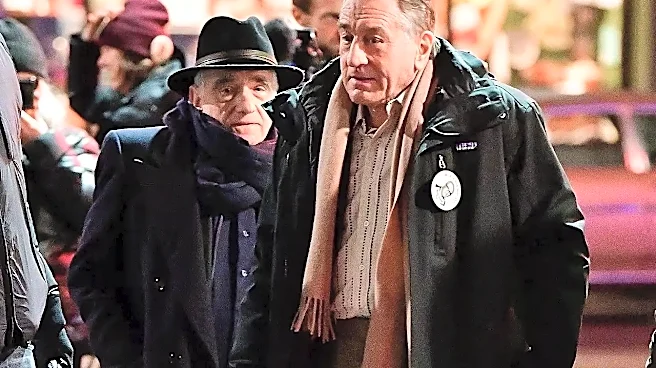
The use of artificial intelligence (AI) in filmmaking is creating a divide between established directors and emerging filmmakers. Notable directors like George Lucas and Martin Scorsese have expressed support for AI, citing its potential to streamline
production processes. Lucas likened resistance to AI in filmmaking to preferring a horse and buggy over a car, emphasizing its inevitability as part of technological progress. In contrast, younger filmmakers are largely rejecting AI, arguing that it undermines the creative process and authenticity of storytelling. This generational divide highlights differing perspectives on the role of technology in the arts.
Why It's Important?
The debate over AI in filmmaking raises important questions about the future of the industry and the preservation of artistic integrity. As AI technology becomes more prevalent, it could significantly alter traditional filmmaking practices, potentially reducing the need for human creativity and craftsmanship. This shift could impact employment within the industry, as well as the quality and originality of films produced. The differing views between established and emerging filmmakers reflect broader societal concerns about the ethical implications of AI and its potential to disrupt creative industries.
Beyond the Headlines
The discussion around AI in filmmaking also touches on broader cultural and ethical issues. The potential for AI to replace human roles in creative processes raises questions about the value of human input and the definition of art. As technology continues to evolve, the industry may need to establish guidelines and standards to ensure that AI is used responsibly and ethically. This debate also highlights the need for ongoing dialogue between technologists and artists to balance innovation with the preservation of human creativity.