
What's Happening?
Saudi Arabia has updated its economic forecast for the current year, now anticipating a 2.1% contraction instead of the previously projected 3.6%. This improvement is attributed to a recovery in oil exports,
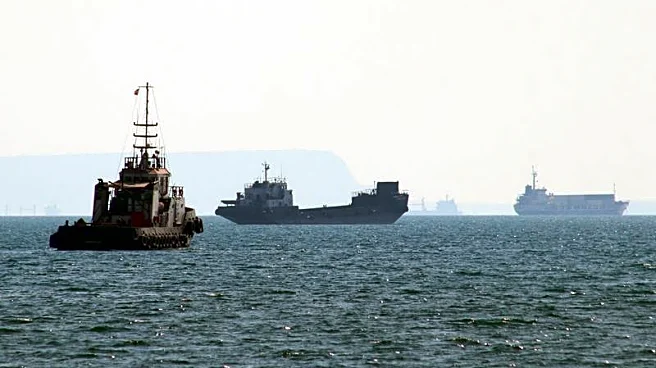
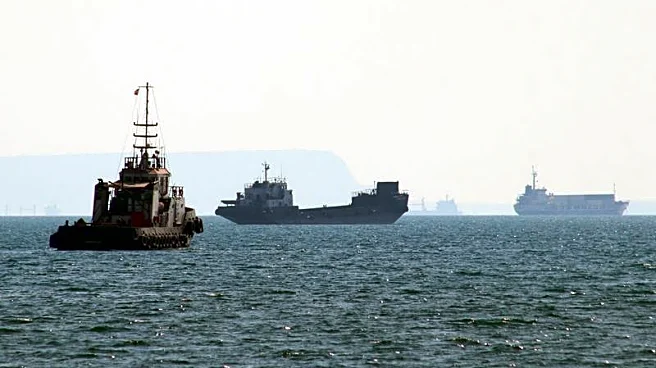
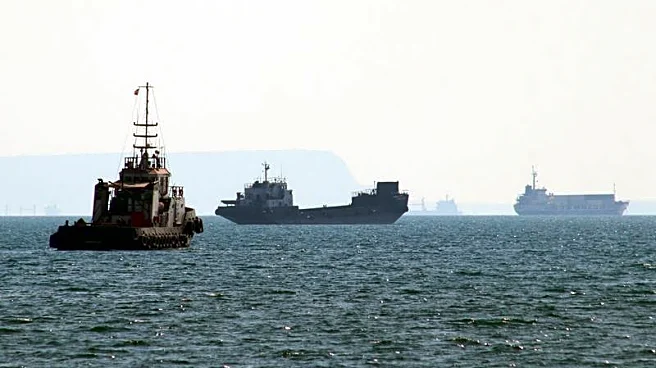
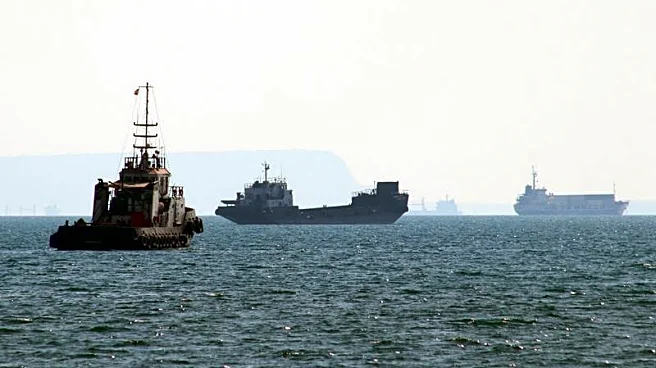
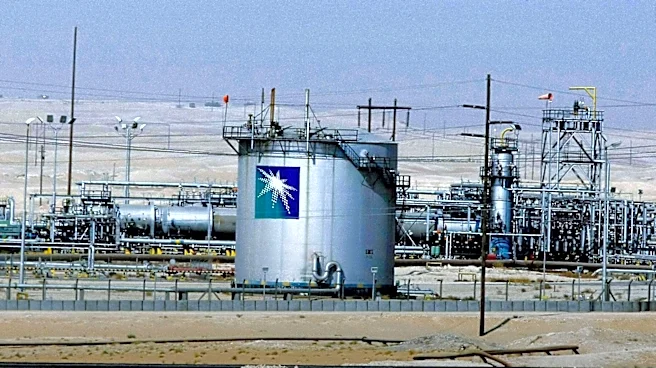
which has helped mitigate some of the economic damage caused by the Iran war. In October, Saudi oil exports reached their highest levels since the conflict began, with Aramco rerouting crude through its East-West pipeline to Yanbu on the Red Sea to compensate for shipments lost via Hormuz. Despite this positive adjustment, the country's oil production remains below pre-war levels. The higher prices for oil sold in the second quarter also contributed to increased revenue, offsetting some production losses. The government still expects a budget deficit of 245 billion riyals ($65 billion), or 4.9% of GDP, for the year, though non-oil economic activity is projected to grow by 2.3%.
Why It's Important?
The revised economic forecast from Saudi Arabia, a major global oil producer, has significant implications for the international energy market and global economic stability. Increased oil exports from Saudi Arabia can help stabilize global oil prices, potentially benefiting U.S. consumers through lower fuel costs and providing a more predictable supply for U.S. industries reliant on oil. A stronger Saudi economy, driven by oil recovery, could also lead to increased foreign investment opportunities and trade partnerships, indirectly impacting U.S. businesses. Conversely, the ongoing budget deficit and the projected increase in public debt highlight underlying economic vulnerabilities. The continued threat of Houthi attacks on infrastructure also poses a risk to oil supply chains, which could lead to price volatility and impact U.S. energy security.
What's Next?
Saudi Arabia is forecasting a substantial 10.9% economic rebound next year, primarily driven by recovering oil production. The government expects its budget deficit to narrow to 191 billion riyals ($51 billion). However, this reduction is largely predicated on decreased government spending rather than a significant increase in revenue, with spending projected to decline by 44 billion riyals and revenue increasing by only 11 billion riyals. Public debt is anticipated to rise from 1.73 trillion riyals this year to 1.92 trillion by 2027. The construction of additional capacity to move oil around Hormuz is not expected to begin until 2028, indicating that the region will remain susceptible to disruptions from Houthi attacks in the interim. These factors suggest a cautious outlook for sustained economic recovery and stability.
Beyond the Headlines
The reliance on oil exports for economic recovery in Saudi Arabia underscores the ongoing global dependence on fossil fuels, despite increasing calls for renewable energy transitions. The strategy of reducing the budget deficit primarily through spending cuts rather than revenue generation could have long-term implications for public services and economic diversification efforts within the kingdom. Furthermore, the persistent threat of Houthi attacks highlights the geopolitical instability in the Middle East and its direct impact on global energy markets. This situation could accelerate efforts by other nations to secure alternative energy sources or diversify their oil suppliers, potentially shifting global power dynamics in the energy sector over time. The delayed development of alternative oil transport routes also prolongs the vulnerability of critical shipping lanes.