




What's Happening?
Whole-body cryotherapy and cold plunges are two distinct methods used for recovery, each with unique characteristics, benefits, and risks. Whole-body cryotherapy involves brief exposure to extremely cold air in an enclosed chamber, requiring protective
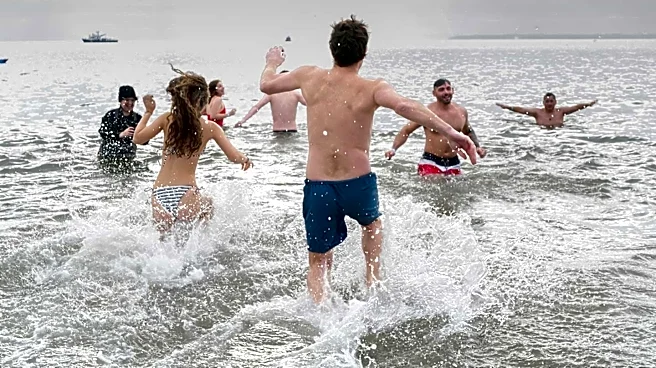
gear for extremities and airways. It has been shown to reduce muscle soreness, improve sleep quality, enhance mood, and support physical rehabilitation. Cold plunges, or cold-water immersion, involve submerging the body in cold water, which can be done at home. Benefits include reduced muscle soreness, recovery of muscular power, and reduced stress. While both methods can reduce muscle soreness, a study found that a 10-minute cold plunge at 8°C lowered deep muscle temperature significantly more than a 2-minute cryotherapy session at -110°C, indicating water's superior heat transfer capability.
Why It's Important?
The choice between whole-body cryotherapy and cold plunges has significant implications for individuals seeking post-exercise recovery or general well-being. Understanding the differences in their mechanisms, costs, and accessibility is crucial for making an informed decision. Cold plunges offer a more accessible and potentially cost-effective option for frequent home use, while cryotherapy typically requires visits to specialized facilities. Both modalities present cardiovascular risks due to sudden thermal stress, making it imperative for individuals with pre-existing conditions like heart disease or high blood pressure to consult a physician. The varying effectiveness in muscle cooling and the distinct physical sensations highlight that neither method is universally superior, and personal preference, convenience, and specific recovery goals should guide the choice.
What's Next?
Individuals considering either whole-body cryotherapy or cold plunges should carefully assess their personal health, financial resources, and recovery needs. For those prioritizing frequent, at-home recovery, a cold plunge setup might be more practical, despite the initial investment in equipment and ongoing maintenance. Conversely, individuals preferring brief, dry exposure and access to supervised facilities might opt for whole-body cryotherapy sessions. It is critical to adhere to safety guidelines for both methods, such as wearing appropriate protective gear for cryotherapy and ensuring gradual immersion and supervision for cold plunges. Consulting with a healthcare professional is strongly advised, especially for those with underlying health conditions, to mitigate potential risks associated with sudden cold exposure.
Beyond the Headlines
The growing popularity of cryotherapy and cold plunges reflects a broader trend in wellness and athletic recovery, emphasizing non-pharmacological approaches to pain management, inflammation reduction, and performance enhancement. This trend also highlights the increasing consumer demand for personalized health solutions and the proliferation of specialized wellness centers. However, the lack of standardized regulations and the varying quality of services in this emerging market raise concerns about consumer safety and efficacy claims. As research continues to explore the long-term benefits and risks of these therapies, there will likely be a greater push for evidence-based guidelines and professional oversight to ensure that individuals can safely and effectively integrate these practices into their health routines.