





What's Happening?
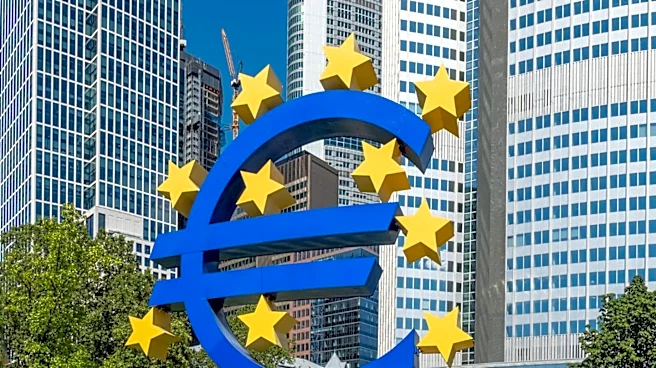
The European Investment Bank (EIB) has approved a new financing package totaling €9.2 billion. This funding is designated to enhance Europe's competitiveness, accelerate the energy transition, and strengthen strategic partnerships globally. A significant
portion, €4.3 billion, is allocated to companies in Croatia, the Czech Republic, France, Greece, Italy, Poland, Romania, Slovakia, and Spain. These funds will primarily support small and medium-sized enterprises (SMEs) in critical sectors such as security, defense, space, energy, and agriculture, channeled through local banks. Additionally, the EIB Board approved investments in renewable energy projects, electricity grids in Germany and Greece, solar energy in Italy, and district-heating infrastructure in Lithuania. These investments aim to reduce the EU's reliance on fossil fuels and bolster its energy autonomy. The package also includes financing for a key rail link between Croatia and Hungary and hospitals in France and Poland. Outside the EU, the EIB is supporting electricity grids in Brazil, solar energy and battery storage in Egypt, women smallholder farmers in Kenya, Rwanda, Tanzania, and Uganda, and medical equipment in Kosovo. These international investments align with the EU's 'Global Gateway' strategy, fostering sustainable economic partnerships worldwide.
Why It's Important?
This substantial financing package from the EIB is crucial for several reasons. Domestically, it aims to fortify the European Union's economic resilience and technological leadership by investing in key industries and infrastructure. The focus on SMEs across multiple member states is vital for job creation and economic stability, particularly in sectors deemed strategic for future growth and security. The emphasis on energy transition projects, such as renewable energy and improved electricity grids, directly addresses climate change goals and reduces the EU's vulnerability to external energy supply shocks, enhancing energy security and autonomy. Internationally, the EIB's investments in partner countries, particularly in Africa and Latin America, are designed to strengthen geopolitical ties and promote sustainable development. These initiatives support the EU's 'Global Gateway' strategy, positioning the EU as a significant global player in development finance and infrastructure. By supporting projects like climate insurance for Ethiopian farmers and energy storage in Egypt, the EIB is contributing to global stability and addressing critical challenges such as food security and climate resilience in developing nations. This strategic allocation of funds underscores a comprehensive approach to economic development, environmental sustainability, and international cooperation.
What's Next?
Following the approval, the EIB will proceed with the implementation of these financing agreements. The €4.3 billion designated for European companies will be channeled through local banks, which will then disburse funds to SMEs in the specified sectors. This process will likely involve detailed project evaluations and due diligence by the local financial institutions. For the energy and infrastructure projects within the EU, such as electricity networks, solar farms, and district heating, construction and development phases are expected to commence, contributing to the EU's energy autonomy goals. Internationally, the EIB's support for projects in Brazil, Egypt, and various African nations will move forward, with a focus on strengthening sustainable economic partnerships. The EIB Group President, Nadia Calviño, emphasized that these actions demonstrate Europe's commitment to investing with purpose. The EIB will continue to monitor the progress and impact of these investments, ensuring alignment with EU policy objectives, including climate action, digitalization, and security. Further announcements regarding specific project milestones and outcomes are anticipated as these initiatives advance.
Beyond the Headlines
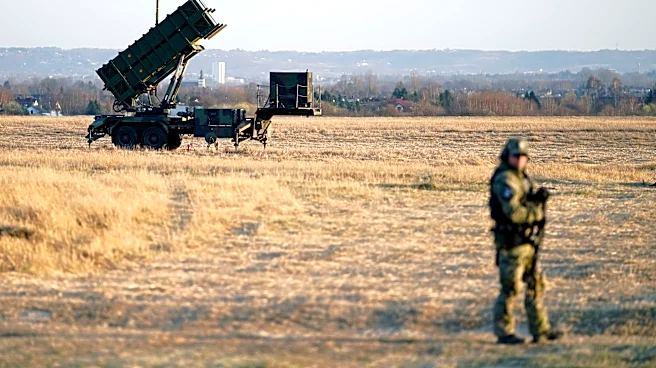
This EIB financing package extends beyond immediate economic and energy benefits, signaling a deeper strategic shift in European policy. The significant increase in financing for security and defense, quadrupling to over €4 billion, highlights a growing recognition of the need for European self-reliance in these critical areas. This move reflects a broader geopolitical context where the EU is seeking to enhance its industrial capabilities and reduce dependence on external actors for security. The focus on critical infrastructure, industrial capabilities, research and development, and private investment funds within the defense sector indicates a long-term commitment to building a robust European defense industry. Furthermore, the EIB's role in fostering global partnerships through the 'Global Gateway' strategy underscores a proactive approach to international relations, aiming to counter the influence of other global powers by offering sustainable and mutually beneficial development alternatives. This integrated strategy, combining economic competitiveness, energy independence, and strengthened security and defense, suggests a more assertive and unified European presence on the global stage, with long-term implications for international trade, diplomacy, and security alliances.