







What's Happening?
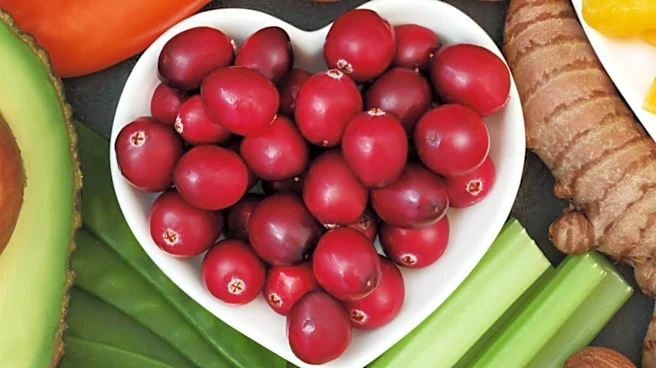
Dietitians have identified specific foods that may help reduce the risk of stroke, emphasizing the importance of a healthy diet in managing stroke risk factors. Foods such as leafy greens, citrus fruits, walnuts, yogurt, oats, fatty fish, and foods rich
in soluble fiber are highlighted for their beneficial properties. These foods are known to lower blood pressure, improve cholesterol levels, and reduce inflammation, all of which are critical in preventing strokes. The recommendations align with dietary patterns like the DASH and Mediterranean diets, which are associated with cardiovascular health benefits.
Why It's Important?
With approximately 795,000 people in the U.S. experiencing a stroke each year, dietary interventions offer a proactive approach to reducing stroke risk. By focusing on foods that support cardiovascular health, individuals can potentially lower their risk of stroke and improve overall health outcomes. These dietary recommendations provide a practical guide for individuals looking to make lifestyle changes that can have a significant impact on their health. The emphasis on whole foods and balanced nutrition also supports broader public health goals of reducing chronic disease prevalence.