


What's Happening?
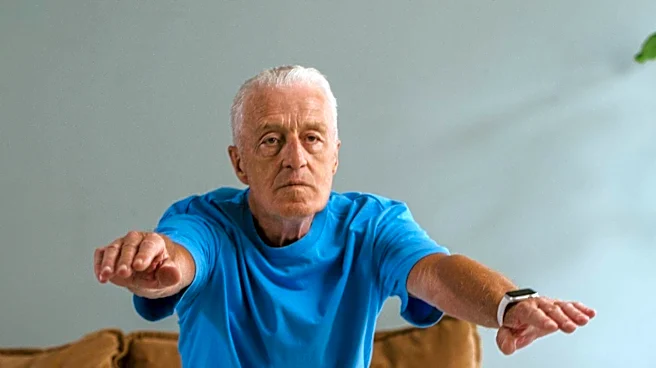
Seated low-impact exercises are gaining recognition as a practical and effective way for seniors to maintain physical activity while minimizing stress on joints. These exercises, which can be performed from a sturdy chair, target various aspects of fitness
including legs, hips, core, upper body, flexibility, and cardiovascular health. This approach is particularly beneficial for older adults with limited mobility or those seeking convenient home-based workouts. While generally safe, individuals with medical conditions, recent injuries, severe pain, dizziness, or significant balance problems are advised to consult a healthcare professional before starting any new exercise routine. The exercises emphasize a firm, stable, and comfortable chair without wheels, ensuring safety and effectiveness. Equipment such as resistance bands and seated pedal exercisers can further enhance these workouts.
Why It's Important?
The availability of seated low-impact exercises is crucial for addressing the fitness needs of the growing senior population in the U.S. As physical activity can become challenging with age due to discomfort from prolonged standing or traditional workouts, these accessible options promote continued engagement in exercise. This helps combat sedentary lifestyles, which are linked to numerous health issues among older adults. By providing a safe and adaptable fitness solution, these exercises contribute to improved overall health, independence, and quality of life for seniors. The emphasis on joint-friendly movements also helps prevent injuries, making fitness more sustainable for this demographic. Furthermore, the ability to perform these exercises at home removes barriers such as transportation or discomfort in public gym settings, increasing participation rates.
What's Next?
The trend towards accessible senior fitness is likely to continue, with an increased focus on personalized and home-based solutions. Healthcare providers and fitness professionals may further integrate seated exercises into recommended routines for older adults, especially those with specific health considerations. The development of more specialized equipment designed for seated workouts is also anticipated, making these exercises even more engaging and effective. Educational initiatives promoting the benefits and proper techniques of seated low-impact exercises could expand, reaching a wider audience of seniors and their caregivers. Additionally, community centers and senior living facilities may broaden their offerings to include more seated exercise classes, catering to diverse mobility levels.
Beyond the Headlines
The rise of seated low-impact exercises reflects a broader societal shift towards inclusive fitness and a recognition of the diverse needs within the aging population. This approach challenges traditional notions of exercise, demonstrating that effective physical activity doesn't always require high intensity or complex movements. It highlights the importance of adapting fitness to individual capabilities, fostering a sense of empowerment and self-efficacy among seniors. Ethically, it underscores the responsibility to provide accessible health solutions that support dignity and independence in later life. Culturally, it could lead to a re-evaluation of how aging is perceived in relation to physical activity, promoting a more active and engaged senior lifestyle.