





What's Happening?
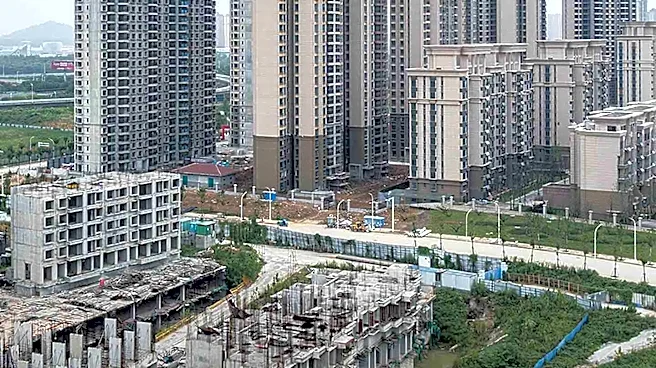
Sydney housing developer Bathla Group has collapsed, accumulating over $3.4 billion in debt and leaving hundreds of construction projects unfinished. The company, which has been operating in western Sydney for more than two decades, has 45 construction sites
with 2,500 partially built apartments. Following the collapse, at least 213 staff members have been stood down, and construction on many projects has been suspended. Administrators Teneo secured a short-term funding agreement with five lenders, which is significantly less than the $20 million needed to maintain operations for four weeks, pay 350 workers, and complete projects. This limited funding will only support projects tied to the participating lenders, leaving the future of other sites uncertain. The first meeting of creditors was held, and negotiations with construction lenders are ongoing to secure additional funding.
Why It's Important?
The collapse of a major housing developer like Bathla Group has significant implications for the Australian housing market and economy. With $3.4 billion in debt and 2,500 unfinished apartments, thousands of buyers are left waiting for their homes, creating widespread uncertainty and potential financial distress for individuals and families. The standing down of over 200 employees contributes to job losses and economic instability in the construction sector. The complexity of the situation, involving more than 40 lenders across various projects, highlights systemic risks within the property development industry. This event could lead to a loss of confidence among potential homebuyers and investors, potentially impacting future housing supply and affordability in Sydney and beyond. The need for substantial funding to salvage operations underscores the financial fragility that can exist even within large-scale development companies.
What's Next?
Administrators Teneo will continue negotiations with construction lenders to secure additional funding beyond the current short-term agreement. The immediate priority is to establish a more stable financial foundation to maintain a viable operating structure and potentially resume construction on more projects. The future of the 2,500 partially built apartments and the thousands of buyers awaiting their homes remains a critical concern, with potential legal and financial ramifications for all parties involved. The outcome of these negotiations will determine the extent to which Bathla Group can recover or if further liquidation of assets will be necessary. The situation will also likely prompt increased scrutiny of financial practices within the Australian property development sector to prevent similar large-scale collapses.
Beyond the Headlines
The Bathla Group's collapse extends beyond immediate financial losses, revealing deeper issues within the Australian construction industry, particularly concerning developer solvency and project financing. The reliance on numerous lenders across multiple projects suggests a fragmented and potentially risky funding model. This event could trigger a re-evaluation of regulatory oversight and financial safeguards for large-scale property developments. For the broader community, it highlights the vulnerability of homebuyers to developer failures, potentially leading to calls for stronger consumer protections or insurance schemes. The long-term impact could include a shift in lending practices, with banks and financial institutions becoming more cautious in funding large-scale residential projects, which could, in turn, affect housing supply and prices in major urban centers like Sydney. The ethical implications for developers regarding their financial responsibilities to both buyers and employees will also likely be a subject of public discourse.