

What's Happening?
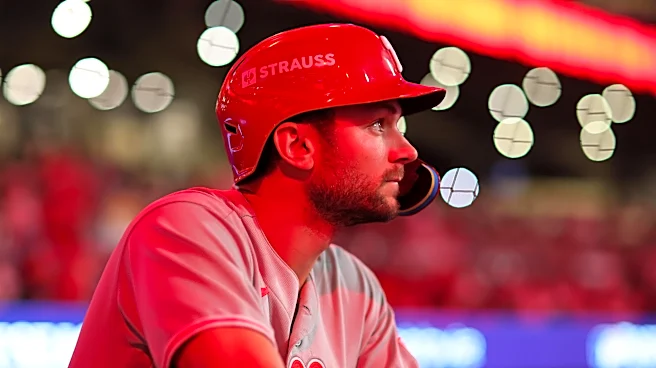
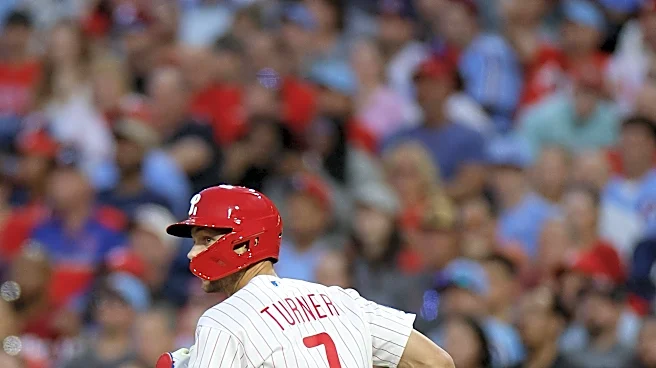
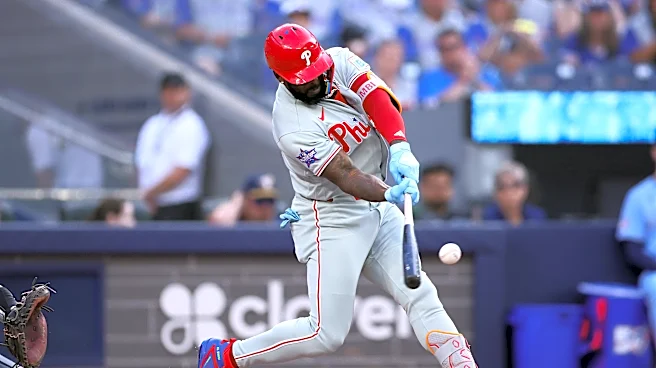
The Philadelphia Phillies are reportedly making shortstop Trea Turner available for trade this offseason, according to USA Today's Bob Nightengale. This development comes after Turner's performance significantly declined in the 2026 season, where he batted
.242 with 19 home runs and 58 RBIs, a notable drop from his 2025 statistics. His defensive metrics also worsened, contributing to a negative WAR. Turner is currently in the third year of an 11-year, $300 million contract signed in 2023, which runs through 2033 when he will be 40 years old. This contract is widely considered one of the worst in Major League Baseball due to its length, value, and Turner's recent performance. The deal also includes a full no-trade clause, giving Turner ultimate control over any potential move. Phillies President of Baseball Operations Dave Dombrowski has publicly stated that Turner must improve his defensive play at shortstop or face a position change, indicating the team's dissatisfaction with his recent performance.
Why It's Important?
The potential trade of Trea Turner carries significant implications for the Philadelphia Phillies and the broader MLB landscape. For the Phillies, moving Turner would free up a substantial portion of their payroll, which is currently one of the highest in baseball. This financial flexibility could allow them to pursue other key players to address roster needs, such as outfielders or bullpen help, as indicated by Dombrowski. However, the complexity of Turner's contract, particularly his no-trade clause and the remaining $27.3 million annual salary through 2033, makes any trade extremely challenging. Any interested team would need to absorb a significant financial commitment for a player whose performance has recently declined. This situation highlights the risks associated with long-term, high-value contracts in professional sports, especially as players age and their performance may diminish. The Phillies' willingness to explore trading a marquee player so early into a massive contract signals a strategic shift to re-evaluate their roster construction and financial commitments.
What's Next?
The immediate next steps involve the Phillies actively gauging interest from other MLB teams for Trea Turner, though the feasibility of a trade remains low due to his contract and no-trade clause. President of Baseball Operations Dave Dombrowski has already issued a mandate to Turner to improve his defensive play at shortstop, suggesting that if a trade doesn't materialize, the team expects a significant rebound in his performance. The Phillies are also reportedly exploring backup plans, including potential interest in former Gold Glover Ha-Seong Kim as a defensive insurance policy at shortstop, should Turner's defensive struggles continue or if he moves to another position. The team's offseason strategy will likely focus on addressing other roster needs, such as acquiring an outfielder and bullpen help, while simultaneously managing Turner's situation. The ongoing general managers' meetings will be a critical period for initial discussions and to assess the market for Turner and other potential roster changes.
Beyond the Headlines
Beyond the immediate trade discussions, the Trea Turner situation underscores a growing trend in professional sports regarding the long-term financial commitments made to star athletes. The Phillies' predicament with Turner's contract, deemed the 'worst in MLB' by some reports, highlights the inherent risks for franchises when signing players to deals that extend well into their late 30s or early 40s. This scenario could influence future contract negotiations across the league, potentially leading teams to be more cautious with the length and total value of mega-deals, especially for players whose game relies heavily on speed and athleticism. The situation also raises questions about player accountability and the pressure on athletes to maintain elite performance levels throughout the entirety of their lucrative contracts. The outcome of this situation, whether Turner is traded or remains with the Phillies, will serve as a case study for how teams manage underperforming, high-salaried players with significant contractual control.