






What's Happening?
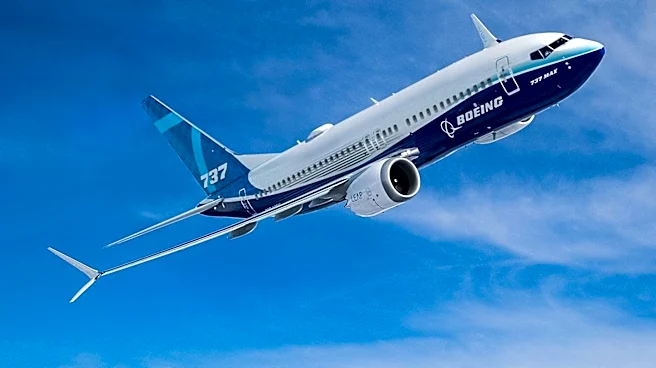
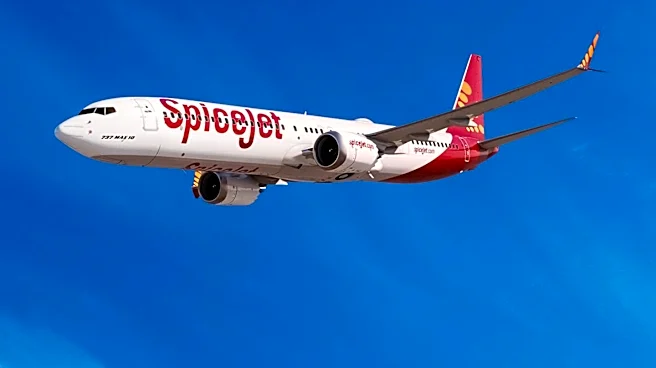
Boeing has identified a software glitch impacting some of its 737 MAX jets. This issue specifically affects automated flight guidance during certain landing scenarios, particularly when pilots modify their planned flight path after a missed approach.
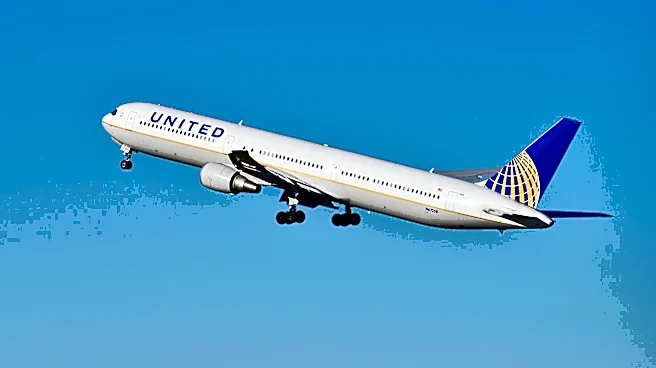
Boeing informed all 737 operators about this problem last month and is currently working on developing a software update to provide a permanent solution. The Federal Aviation Administration (FAA) is actively collaborating with Boeing and various airlines to address the identified issue. The FAA has indicated its readiness to take immediate action if any safety concerns are raised. In response to this development, Southwest and United Airlines have requested Boeing to temporarily halt deliveries of new MAX jets that are equipped with the affected software. The precise number of aircraft currently utilizing this specific software remains undisclosed.
Why It's Important?
This software glitch is significant due to its potential impact on flight safety and the operational reliability of the 737 MAX fleet. Any issue affecting automated flight guidance, especially during critical phases like landing, raises concerns for both airlines and passengers. The involvement of the FAA underscores the seriousness of the situation, as the agency's primary role is to ensure aviation safety. For airlines like Southwest and United, pausing deliveries of new jets equipped with the faulty software could lead to operational disruptions, fleet planning adjustments, and potential financial implications. Boeing's reputation, which has faced scrutiny in recent years regarding the 737 MAX, is also at stake, as the company strives to demonstrate its commitment to safety and reliability. A swift and effective resolution is crucial to maintaining confidence in the aircraft and the broader aviation industry.
What's Next?
Boeing is actively developing a software update to permanently resolve the identified glitch. The company is working closely with regulatory bodies, including the FAA, and airlines to ensure a swift and effective resolution. The FAA will continue to monitor the situation and has stated it will take immediate action if any safety concerns are identified. Airlines like Southwest and United will likely await the software fix before accepting further deliveries of 737 MAX jets equipped with the affected software. Once the update is available, it will need to be implemented across the affected fleet, which will involve coordination between Boeing, airlines, and regulatory authorities. The aviation industry will closely watch these developments to ensure that the software update effectively addresses the issue and prevents any potential disruptions in flight operations.
Beyond the Headlines
The recurring software-related issues with the 737 MAX aircraft highlight the complex interplay between advanced technology, aviation safety, and regulatory oversight. This incident underscores the continuous challenge of integrating sophisticated software systems into critical aerospace applications, where even minor glitches can have significant consequences. It also brings to light the ongoing pressure on manufacturers like Boeing to not only innovate but also to ensure rigorous testing and validation processes for all software components. The requests from airlines to pause deliveries reflect a heightened level of caution and a demand for absolute certainty in the safety of new aircraft, a sentiment amplified by past incidents. This situation could further influence future aircraft development and certification processes, potentially leading to even more stringent software review protocols across the aerospace industry.