







What's Happening?
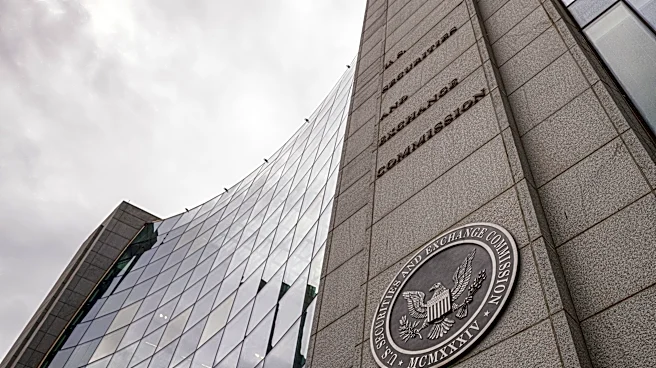
The Securities and Exchange Commission (SEC) staff has issued a no-action letter that permits registered closed-end funds to utilize warehousing arrangements, a practice previously restricted for such entities. This relief, granted on October 29, 2026,
in response to a global asset manager's request, allows an unaffiliated third party to acquire and hold a fund's initial portfolio until the fund officially launches. This mechanism enables funds to deploy investor capital from inception, mitigating potential cash drag. The SEC staff's position also extends to future registered closed-end funds and business development companies (BDCs) advised by the requesting manager and its affiliates. Historically, BDC sponsors have used warehouse facilities, but these arrangements had to navigate the Investment Company Act of 1940's restrictions on affiliate transactions and could not benefit from co-investment exemptive orders. This recent development aligns regulatory treatment for registered retail alternative funds with established private market practices, particularly for registered closed-end funds and BDCs that offer retail investors access to private markets.
Why It's Important?
This SEC no-action relief is significant for the U.S. financial industry, particularly for private credit funds and retail investors seeking access to private markets. By enabling registered closed-end funds to use warehousing, the SEC is facilitating a more efficient deployment of capital from a fund's launch, which can lead to better returns for investors by reducing periods where capital is uninvested. This move levels the playing field between registered funds and private funds, allowing registered products to adopt a common strategy used in private markets. Fund sponsors stand to gain by having a clearer path to assemble diversified portfolios before investor capital is fully committed, streamlining the launch process and potentially attracting more investment. This regulatory alignment could also foster greater innovation in product offerings within the registered fund space, providing retail investors with more sophisticated investment opportunities that were once primarily accessible to institutional investors.
What's Next?
Fund sponsors with new launches underway are now in a position to evaluate whether incorporating a warehouse facility aligns with their timelines and strategic objectives. The no-action letter provides a framework, but the implementation of such arrangements will require careful consideration of specific facts and structures, as well as any regulatory issues not explicitly addressed in the letter. This relief is expected to encourage more registered closed-end funds and BDCs to explore warehousing as a tool for portfolio construction and capital deployment. Industry participants will likely monitor how these new arrangements are structured and approved by fund boards, ensuring compliance with the conditions outlined in the SEC staff's position. The broader implication is a potential increase in the efficiency and attractiveness of registered alternative funds, which could lead to greater capital flows into these products as they become more competitive with traditional private market offerings.
Beyond the Headlines
The SEC staff's no-action relief reflects a broader trend of regulatory efforts to bridge the gap between private market practices and the rules governing registered retail alternative funds. This development could lead to a more integrated financial ecosystem where retail investors have broader access to strategies previously reserved for institutional or accredited investors. Ethically, this move aims to ensure that retail investors in registered funds benefit from the same operational efficiencies as private fund investors, promoting fairness in market access. Legally, the relief is narrowly focused on warehousing at the inception of a fund and relies on specific conditions, such as the unaffiliated nature of the warehouse party and board approval processes. This careful approach suggests the SEC is balancing innovation with investor protection. Long-term, this could signal a continued evolution in how registered funds operate, potentially leading to further harmonization of rules between public and private investment vehicles, thereby reshaping the landscape of investment product development and distribution.