







What's Happening?
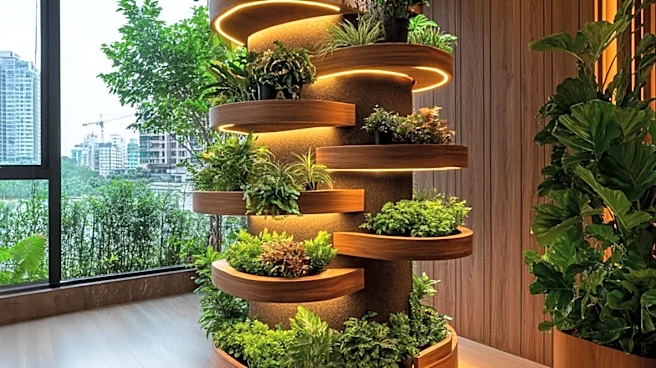
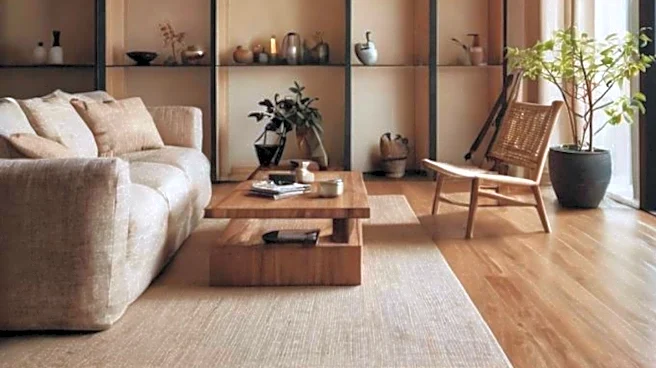
Biophilic design is an approach that integrates natural elements into interior spaces to strengthen the connection between occupants and nature, thereby enhancing well-being and comfort. This design philosophy extends beyond merely adding plants; it encompasses
the use of natural light, organic materials, and nature-inspired forms and textures. Hannes Boman, design manager at Bjelin, emphasizes that biophilic design aims to reconnect interiors to the shapes, textures, and rhythms associated with nature. Flooring, often overlooked, plays a significant role as one of the largest and most frequently contacted surfaces in a building. The choice of flooring, its textures, and shades directly contribute to the perception of volumes, light diffusion, and the overall atmosphere. For instance, wood, with its natural grain and variations, is particularly valued for its ability to evoke a sense of nature. The design also considers the entire life cycle of materials, from their origin and manufacturing processes to their lifespan, reuse possibilities, and end-of-life impact, ensuring environmental and health suitability.
Why It's Important?
The integration of biophilic design is important for its potential to significantly impact human well-being and productivity in various environments, including workplaces and living spaces. By fostering a stronger connection to nature, this design approach can reduce stress, improve mood, and enhance cognitive function. In commercial settings, such as offices, biophilic elements can lead to increased employee satisfaction, reduced absenteeism, and improved creativity. For residential spaces, it can create more comfortable and calming environments, contributing to better mental and physical health for residents. The emphasis on the life cycle of materials also promotes sustainability, encouraging the use of environmentally friendly products and practices. This focus on both human health and ecological responsibility makes biophilic design a crucial consideration for future urban planning and architectural development, offering long-term benefits for individuals and the planet.
What's Next?
The trend towards biophilic design is expected to continue growing, with increasing adoption in various sectors, including healthcare, education, and hospitality, in addition to residential and commercial buildings. Architects and interior designers will likely further integrate biophilic principles into their projects, moving beyond superficial additions to more fundamental design choices. This will involve a deeper consideration of how materials, light, and spatial arrangements can mimic natural patterns and systems. Research into the physiological and psychological benefits of biophilic design will also continue to expand, providing more evidence-based guidelines for its implementation. Furthermore, the focus on the life cycle of materials suggests a future where sustainable sourcing and circular economy principles become standard practice within the design industry, pushing manufacturers to innovate with eco-friendly and durable products.
Beyond the Headlines
Beyond the immediate aesthetic and well-being benefits, biophilic design taps into a deeper human need for connection with nature, often referred to as 'biophilia.' This innate connection suggests that exposure to natural elements is not just pleasant but essential for human flourishing. The long-term implications of widespread biophilic adoption could include a societal shift towards valuing natural environments more highly, potentially influencing urban planning to incorporate more green spaces and natural features. Ethically, it raises questions about equitable access to nature-rich environments, ensuring that all communities, regardless of socioeconomic status, can benefit from biophilic principles in their living and working spaces. Culturally, it could lead to a re-evaluation of what constitutes 'modern' or 'advanced' design, moving away from purely artificial or sterile aesthetics towards designs that harmonize with the natural world.