




What's Happening?
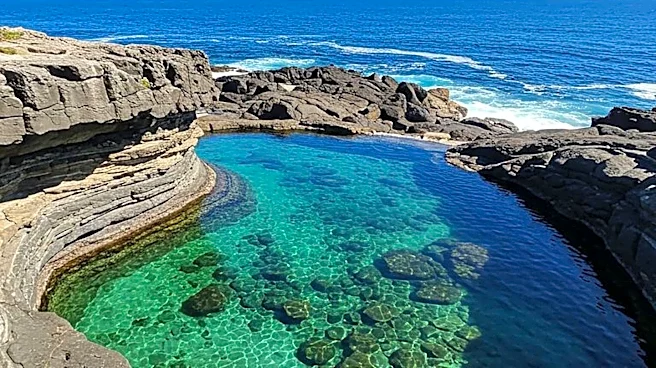
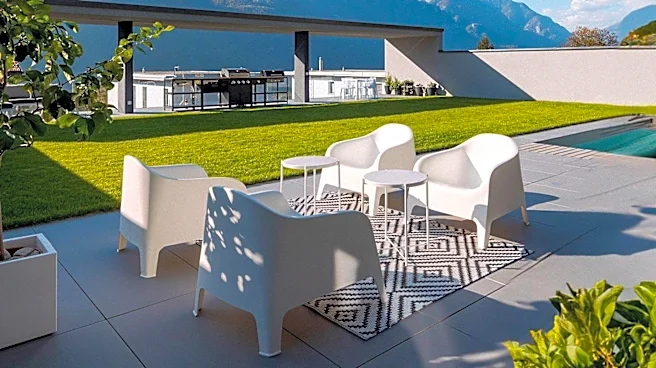
Homeowners are increasingly opting for natural pools over traditional luxury designs, transforming backyards into integral living spaces. This trend, inspired by developments in Europe, Australia, and the United States, emphasizes ecological pools that
blend seamlessly with the surrounding environment. Unlike conventional pools that use chlorine or salt systems, ecological pools employ biological filtration with aquatic plants to maintain water quality. This approach not only enhances environmental sustainability but also integrates the pool into the overall garden and home architecture. The design philosophy now focuses on creating a continuous and natural transition between indoor and outdoor spaces, making the pool a year-round feature for relaxation and family gatherings.
Why It's Important?
The shift towards natural pools reflects a broader change in how homeowners view their outdoor spaces. As more people work from home, backyards are becoming extensions of the living area, necessitating designs that are both functional and aesthetically pleasing. This trend could significantly impact the landscaping and home design industries, as demand for sustainable and integrated outdoor solutions grows. Homeowners benefit from reduced maintenance costs and water usage, while architects and designers are challenged to innovate in creating harmonious living environments. The move towards ecological pools also aligns with increasing consumer awareness of environmental issues, potentially influencing future residential planning standards.
What's Next?
As the trend gains momentum, it is likely that more homeowners will adopt ecological pools, prompting further innovation in sustainable design practices. Architects and designers may increasingly incorporate these pools into initial project plans rather than as afterthoughts. This could lead to a reevaluation of residential outdoor spaces, with a focus on creating cohesive environments that prioritize sustainability and everyday usability. The industry may also see a rise in demand for professionals skilled in ecological landscaping and pool design, potentially influencing educational and training programs in these fields.