


What's Happening?
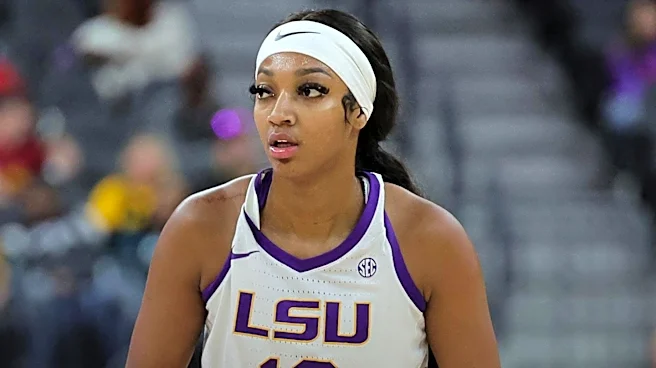
Sports analyst Jason Whitlock has publicly criticized the WNBA halftime broadcast for what he perceives as excessive praise for Angel Reese during a game where she struggled. Despite Reese shooting 3-for-10 with two turnovers by halftime, the broadcast,
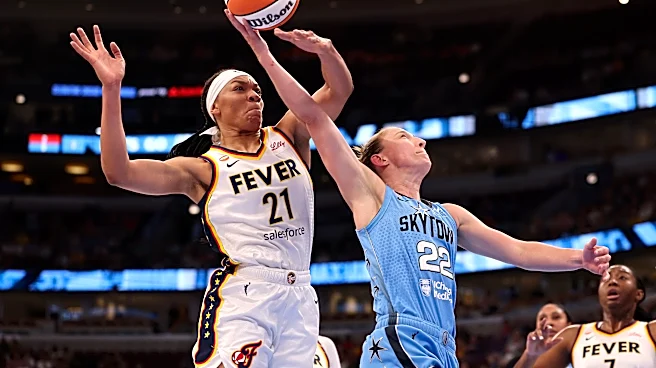
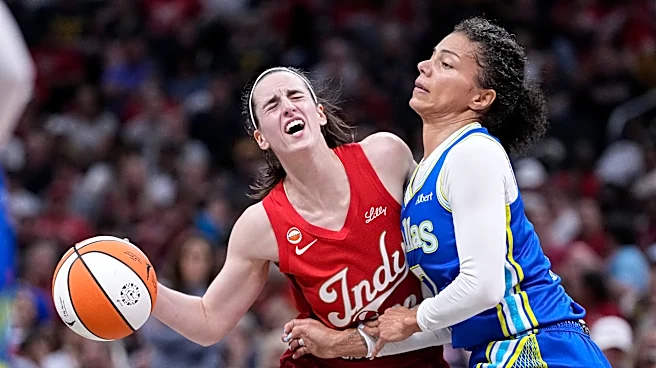
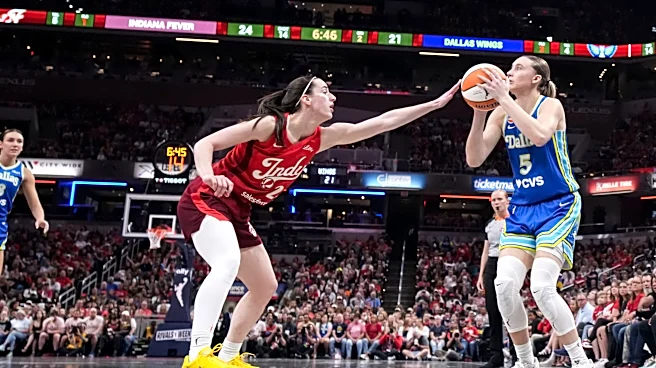
featuring Monica McNutt and Malika Andrews, focused on her energy shift and catalytic role in the Atlanta Dream's recovery from a shaky start. Whitlock expressed his disapproval on X, stating, 'Good lord they have gone overboard trying to convince us Angel Reese is great. Stop it.' This sentiment was echoed by Brick Center's X post, which claimed the WNBA crew was 'GLAZING Angel Reese' despite her inefficient shooting. Reese ultimately finished the game 5-for-16 from the field with four turnovers, contributing to the Dream's 95-91 overtime loss to the Indiana Fever, despite achieving a double-double with 15 points, 14 rebounds, and 6 assists. Her performance on Sunday continued a difficult August, where she has shot just 37.5% from the field.
Why It's Important?
This criticism highlights a broader debate within sports media regarding narrative control and objective analysis, particularly in emerging or rapidly growing leagues like the WNBA. Whitlock's comments suggest a concern that broadcasters might be prioritizing promotional narratives over factual game analysis, potentially undermining the credibility of the coverage. For the WNBA, maintaining journalistic integrity in its broadcasts is crucial for its long-term growth and acceptance among a diverse viewership. If viewers perceive a bias in commentary, it could alienate segments of the audience who value impartial reporting and critical assessment of player performance. This incident also touches on the challenges of balancing player promotion, especially for popular figures like Angel Reese, with accurate on-court evaluation, which is vital for the league's competitive integrity and the development of its athletes.
What's Next?
The ongoing discussion about WNBA broadcast impartiality could lead to increased scrutiny from viewers and media critics regarding how player performances are presented. Broadcasters and the league may face pressure to ensure a more balanced approach that acknowledges both positive contributions and areas for improvement, particularly for high-profile players. This could result in internal reviews of broadcast guidelines or a more conscious effort by commentators to diversify their analytical perspectives. Additionally, the incident might fuel further debate on social media platforms, influencing public perception of the WNBA's media strategy. For Angel Reese, continued scrutiny of her performance and its media portrayal will likely persist, emphasizing the need for consistent on-court excellence to counter any perceived over-praise.
Beyond the Headlines
The controversy extends beyond a single broadcast, touching upon the evolving landscape of sports media and the role of personality-driven narratives. In an era where individual athletes often command significant social media attention, there's a delicate balance between celebrating star power and providing rigorous sports analysis. This situation could reflect a broader trend where media outlets, in an effort to attract and retain viewers, might lean into compelling storylines, sometimes at the expense of objective reporting. It also raises questions about the influence of social media on traditional sports commentary, as analysts like Whitlock use platforms like X to voice immediate reactions, further shaping public discourse. The incident underscores the tension between entertainment value and journalistic standards in modern sports broadcasting.