






What's Happening?
Active recovery involves engaging in low-intensity physical activities such as light jogging, swimming, or yoga to aid muscle repair and reduce injury risk. This approach contrasts with passive recovery, which entails complete rest. Active recovery methods
include gentle mat work, optional light weights, and mobility exercises, often incorporated into 30-minute workouts. Circuit training also utilizes active recovery principles to deliver both strength and cardiovascular benefits. Furthermore, Zone 1 heart rate training, characterized by low-intensity active recovery, is specifically designed to help muscles recover after strenuous runs and minimize the likelihood of injuries. This type of recovery focuses on increasing blood flow to muscles, which helps in removing metabolic waste products and supplying essential nutrients for repair. The goal is to maintain movement without adding significant stress to the body, allowing for a quicker and more effective recovery process.
Why It's Important?
The integration of active recovery into fitness routines is crucial for optimizing physical performance and long-term health. For athletes and regular exercisers, it provides a strategic way to manage fatigue and prevent overtraining, which can lead to muscle breakdown, decreased performance, and increased injury risk. By promoting blood circulation, active recovery facilitates the delivery of oxygen and nutrients to tired muscles, accelerating the healing process and reducing soreness. This is particularly important for individuals engaged in high-intensity training, as it allows for consistent training without prolonged downtime. Moreover, active recovery helps in building an aerobic foundation and endurance with less physical strain, making it a sustainable practice for improving overall cardiovascular fitness. The emphasis on gentle movement and mobility also contributes to maintaining flexibility and range of motion, which are vital for injury prevention and functional movement in daily life.
What's Next?
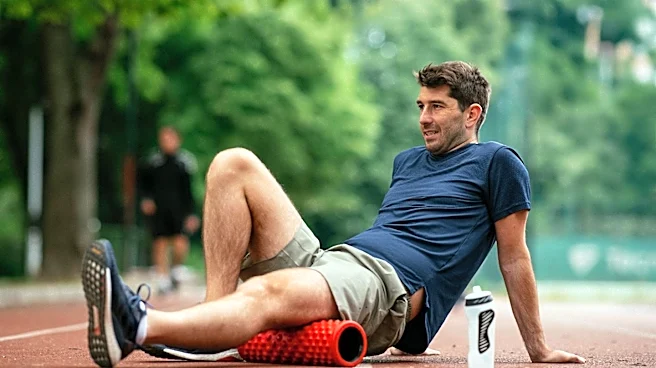
As the understanding of exercise science evolves, there is a growing trend towards more personalized and integrated recovery strategies. Future developments may include advanced wearable technology that provides real-time data on muscle recovery and fatigue levels, allowing individuals to tailor their active recovery sessions more precisely. There could also be an increase in specialized active recovery programs and classes, catering to various sports and fitness levels, incorporating techniques like foam rolling, dynamic stretching, and targeted mobility drills. The focus will likely remain on educating individuals about the benefits of active recovery to encourage its consistent practice, moving away from the traditional mindset that equates rest solely with inactivity. This shift could lead to broader adoption of active recovery as a fundamental component of any comprehensive fitness regimen, further enhancing athletic longevity and general well-being.
Beyond the Headlines
Beyond its immediate physical benefits, active recovery has deeper implications for mental and psychological well-being. Engaging in low-intensity activities can serve as a form of mindfulness, allowing individuals to connect with their bodies and reduce stress. This mental break from intense training can prevent burnout and maintain motivation, fostering a more sustainable relationship with exercise. The self-regulating nature of active recovery, where individuals intuitively adjust intensity based on how they feel, promotes body awareness and self-care. This approach can also democratize fitness, making recovery accessible to a wider population, including those recovering from injuries or managing chronic conditions, by offering a less intimidating and more enjoyable path to physical rehabilitation and maintenance. The long-term cultural shift could see active recovery becoming as integral to a healthy lifestyle as nutrition and sleep, recognized not just for physical repair but also for its role in holistic well-being.