



What's Happening?
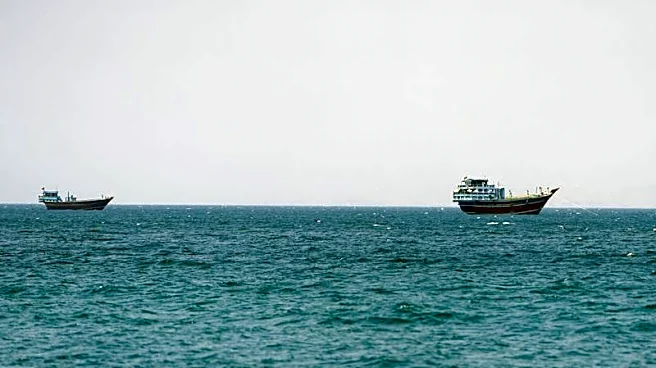
American oil and gas companies, including Exxon Mobil and Chevron, have reported significant profits for the second quarter of 2026. This surge in profits is attributed to the ongoing conflict between the U.S. and Iran, which has disrupted petroleum shipments
through the Strait of Hormuz, a critical passage for global oil supply. As a result, Brent crude prices have escalated, reaching as high as $126 per barrel. Exxon Mobil's profits doubled to $14.53 billion, while Chevron's profits nearly quadrupled to $12.07 billion. The conflict has led to increased fuel prices globally, affecting consumers and causing fuel shortages in some regions.
Why It's Important?
The substantial profits reported by major oil companies highlight the economic impact of geopolitical tensions on global energy markets. The disruption in oil supply has led to increased fuel prices, affecting consumers and industries reliant on petroleum products. This situation has prompted discussions among U.S. lawmakers about imposing windfall taxes on oil companies to redistribute profits to consumers. The conflict underscores the vulnerability of global supply chains to geopolitical events and raises concerns about energy security and economic stability.
What's Next?
U.S. lawmakers have proposed legislation to tax major oil producers' profits from 2026 onwards, with the aim of redistributing the proceeds to consumers. This proposal reflects growing political pressure to address the economic disparities exacerbated by the conflict. The ongoing situation may lead to further legislative actions and international negotiations to stabilize energy markets and address supply chain vulnerabilities. The response from oil companies and their future investment strategies will also be closely monitored.