





What's Happening?
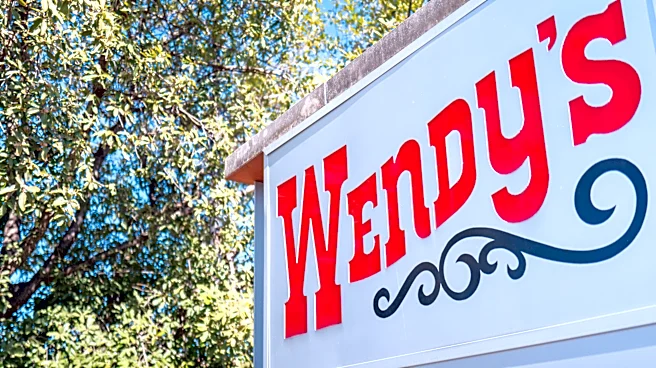
Wendy's (NasdaqGS:WEN) has adopted a shareholder rights plan, commonly known as a poison pill, after rejecting a proposed US$1.4 billion takeover offer. This rights plan is designed to deter unsolicited acquisition attempts by making them more difficult
without board approval. Concurrently, Wendy's management announced plans to acquire restaurants from a bankrupt franchise operator, Meritage, as part of a broader operational restructuring. The company's directors stated that the US$7.35 per share bid from Trian and its partners substantially undervalued Wendy's, especially considering the consortium already held a 16.3% stake. The poison pill allows existing investors to purchase shares at a discount if any party acquires more than 15% of the company without board approval, thereby complicating hostile takeovers and encouraging negotiation with the board.
Why It's Important?
The implementation of a poison pill and the acquisition of franchise locations by Wendy's signal a strategic move by management to maintain control and pursue its long-term growth initiatives. By rejecting the US$1.4 billion offer, Wendy's is indicating its belief that the company's intrinsic value is higher than the proposed bid. This decision impacts shareholders by potentially delaying a lucrative buyout but also by allowing the company to execute its "Dave's Way" plan, which includes investments in technology and international expansion. The acquisition of Meritage restaurants shifts some operational risk from franchise royalty income to directly operated stores, increasing Wendy's control over its network but also exposing it to more labor, rent, and commodity costs. This move is particularly significant as the company is working through declining same-store sales and a reduced dividend, concentrating risk in a part of the network that was already under stress.
What's Next?
Wendy's management intends to continue focusing on fixing U.S. franchise economics and executing its "Dave's Way" plan, which involves tech investment and international expansion. The rejection of the US$7.35 per share offer and the acquisition of up to 163 Meritage sites suggest that management is prioritizing time to push same-store sales and system optimization efforts rather than ceding control to activists. The poison pill will remain in effect, making future hostile takeover attempts more challenging and likely forcing any interested parties to engage in direct negotiations with the board. The company's path to an estimated $8.04 fair value will depend on the successful implementation of these strategies and their impact on financial performance.
Beyond the Headlines
The actions taken by Wendy's highlight a broader trend of boardroom pressure and defensive maneuvers in the corporate landscape. The use of a poison pill underscores the tension between activist investors seeking quick returns and management teams focused on long-term strategic growth. This situation also brings to light the complexities of franchise models, where the balance between corporate control and franchisee autonomy can significantly impact operational efficiency and financial stability. The decision to acquire bankrupt franchise locations, while increasing operational control, also centralizes risk and responsibility within the parent company, potentially altering its business model and risk profile. This move could set a precedent for how other quick-service restaurant chains manage distressed franchise operations and shareholder activism.