
What's Happening?
The wellness industry in 2026 is seeing a surge in trends such as AI integration, proteinmaxxing, and functional foods. AI is being used for personalized fitness and nutrition advice, though its recommendations
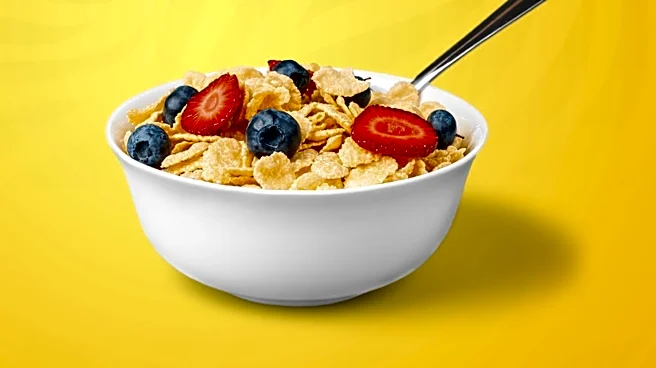
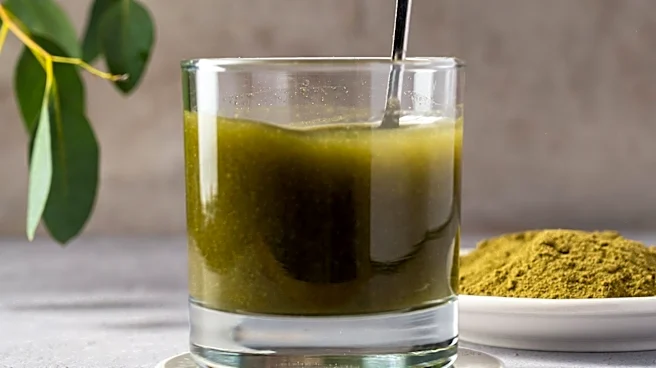
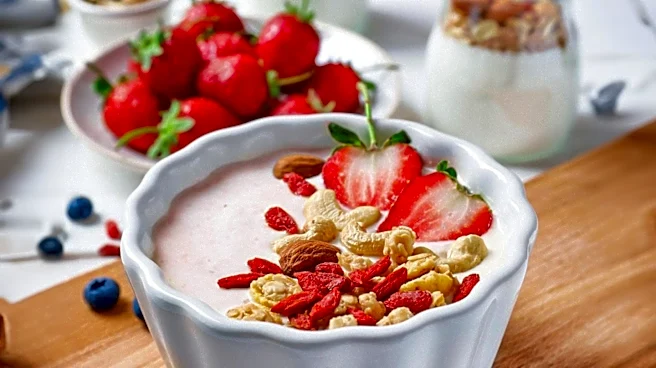
can be overly generic. Proteinmaxxing involves supplementing diets with protein-fortified foods, driven by the popularity of GLP-1 medications. Functional foods, which claim to offer specific health benefits, are also on the rise, though experts warn that many claims are more about marketing than science. Other trends include parasite cleanses, which are criticized for lacking scientific backing, and the rise of divorce rings as a symbol of personal empowerment.
Why It's Important?
These trends reflect a growing consumer interest in health and wellness, driven by social media and influencer culture. The integration of AI into wellness routines highlights the increasing reliance on technology for personal health management. However, the potential for misinformation and over-reliance on unverified claims poses risks to consumers. The popularity of proteinmaxxing and functional foods indicates a shift towards more conscious dietary choices, though it also underscores the need for critical evaluation of health claims. These trends have implications for the wellness industry, influencing product development and marketing strategies.
Beyond the Headlines
The rise of wellness trends like AI and functional foods raises ethical questions about consumer protection and the responsibility of companies to provide accurate information. The trend towards personalized wellness solutions also reflects broader societal shifts towards individualism and self-optimization. As these trends continue to evolve, there may be increased scrutiny from regulatory bodies to ensure consumer safety and prevent misleading claims. Additionally, the cultural impact of trends like divorce rings highlights changing societal norms around relationships and personal identity.