





What's Happening?
Y2K nostalgia is significantly impacting active lifestyles, particularly in Japan, where the 'Heisei retro' trend is gaining prominence. Heisei retro is a cultural phenomenon that blends Japanese Y2K energy with 'kawaii' (cute) nostalgia, drawing from
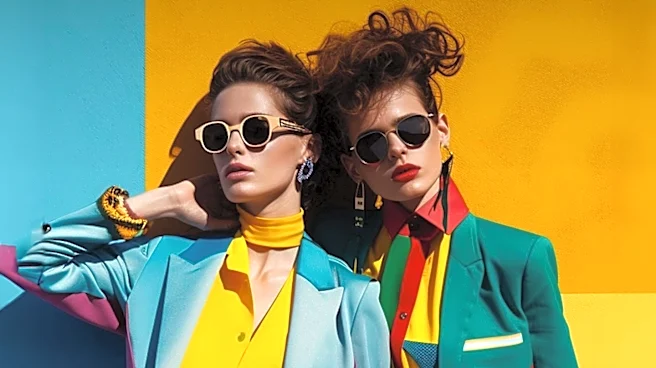
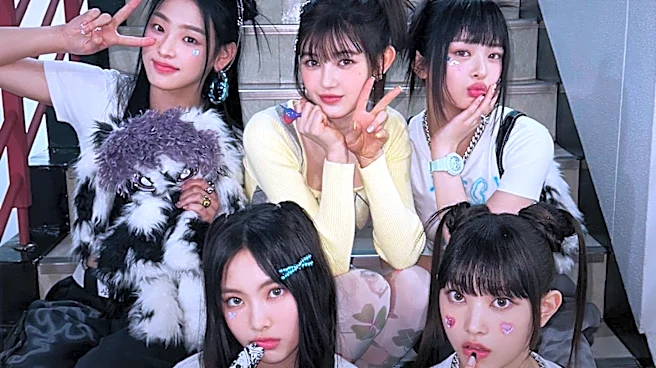
the late 1990s and early 2000s. This trend encompasses various aspects of life, including fashion, gadgets, games, and popular characters from that era, characterized by its colorful, cute, and maximalist aesthetic. Unlike the Western Y2K revival, which often leans towards futuristic and metallic styles, Heisei retro is softer, more character-driven, and built around elements like Sanrio characters and 'shoujo' anime. The movement is seen as a creative rebellion against a perceived 'too-perfect' present, offering a warm, playful, and nostalgic mood. Key elements include Tamagotchis, 'purikura' (photo booths), and fashion styles like 'gyaru' and 'kogal', emphasizing bright colors, playful accessories, and a 'more is more' approach.
Why It's Important?
The rise of Heisei retro highlights a broader global trend of nostalgia influencing consumer behavior and lifestyle choices. For U.S. industries, this indicates a potential market for retro-inspired products, particularly in fashion, gaming, and collectibles. The distinct characteristics of Heisei retro—its emphasis on cuteness, maximalism, and character-driven aesthetics—could inspire new product lines or marketing strategies for companies looking to tap into this nostalgic wave. The trend also reflects a desire for tactile, imperfect objects in an increasingly digital world, suggesting a consumer preference for items that offer a sense of tangible connection to the past. This could influence product design and marketing, moving away from sleek minimalism towards more playful and expressive designs. Furthermore, the collaborative community aspect seen in some Y2K-inspired ventures, like vintage stores fostering local art, points to a growing consumer interest in community-driven experiences alongside product consumption.
What's Next?
The Heisei retro trend is likely to continue evolving, potentially leading to increased demand for vintage Japanese cultural items and new products that emulate the aesthetic. We can anticipate more brands, both in Japan and internationally, incorporating Heisei retro elements into their designs and marketing campaigns. This could manifest in limited-edition releases of retro gadgets, fashion collaborations featuring Y2K-inspired styles, and themed events or pop-up shops. The influence of social media platforms like TikTok and Pinterest, which have been instrumental in spreading this visual language, will continue to drive its popularity among younger generations. As the trend gains more traction, there may also be a rise in online communities dedicated to collecting, sharing, and discussing Heisei retro culture, further solidifying its presence in the broader lifestyle landscape.
Beyond the Headlines
Beyond its immediate commercial implications, the Heisei retro trend signifies a deeper cultural yearning for simpler, more playful times. In an era dominated by digital perfection and constant connectivity, the appeal of 'imperfect' analog gadgets and maximalist aesthetics suggests a counter-cultural movement. It highlights a desire for authenticity and a rejection of the sterile, streamlined designs prevalent today. Ethically, this trend could raise questions about sustainable consumption, as it encourages the revival and reuse of older items, potentially reducing waste. However, it could also lead to increased production of new items designed to look old, which might have its own environmental impact. Culturally, it underscores the cyclical nature of fashion and design, demonstrating how past aesthetics are reinterpreted and given new meaning by subsequent generations, offering a sense of comfort and escapism from contemporary pressures.