

What's Happening?
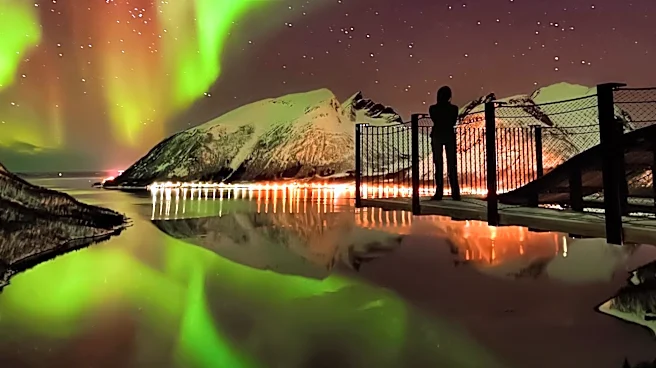
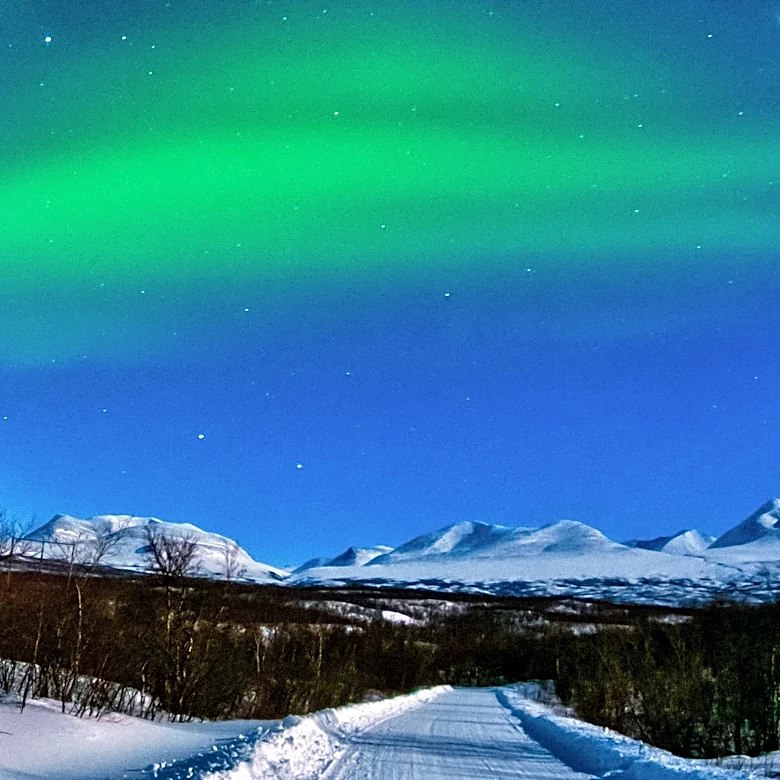
Tromsø, Norway, is highlighted as a prime destination for experiencing the Northern Lights, offering a variety of tours and activities. Visitors can engage in wilderness tours with Tromsø Ski Guides, which take them away from city lights into scenic mountain
areas for optimal viewing. Beyond Northern Lights excursions, Tromsø provides a range of Arctic adventures including whale watching, dog sledding, and reindeer sledding. The city is also a gateway to other Norwegian attractions like the Arctic Cathedral and the Fjellheisen cable car. For those interested in broader Nordic travel, Tromsø serves as a connection point for cruises and pre-cruise extensions, integrating into itineraries that might also include destinations like Lofoten, Senja Island, and Kirkenes, each offering unique natural landscapes and cultural experiences. The region's appeal is further enhanced by its fjords, which provide a dramatic backdrop for Northern Lights photography, distinguishing it from other Nordic locations where the aurora might be seen against forest backdrops.
Why It's Important?
Tromsø's robust tourism offerings for Northern Lights viewing and Arctic activities are significant for the regional economy and global tourism. By providing diverse tour options, from specialized wilderness excursions to integrated cruise experiences, Tromsø caters to a wide range of travelers, enhancing its reputation as a leading Arctic destination. This focus on unique natural phenomena and adventure tourism supports local businesses, including tour operators, hospitality services, and transportation providers. The emphasis on scenic backdrops like fjords for Northern Lights photography also contributes to the destination's marketing appeal, drawing international visitors seeking iconic visual experiences. The connectivity of Tromsø to other Nordic destinations further solidifies its role as a key hub in Arctic tourism, facilitating multi-country itineraries and promoting broader regional exploration. This sustained interest in Arctic tourism also underscores a growing global demand for experiential travel focused on natural wonders.
What's Next?
As Tromsø continues to be a popular destination for Northern Lights tourism, future developments may include further diversification of tour packages and enhanced infrastructure to accommodate growing visitor numbers. There could be an increased focus on sustainable tourism practices to preserve the pristine Arctic environment while managing tourist impact. Collaboration with cruise lines and other regional transport providers is likely to expand, offering more seamless travel experiences across Norway and the wider Nordic region. Additionally, as technology advances, there might be new ways to enhance the Northern Lights viewing experience, such as specialized apps for aurora forecasting or improved viewing platforms. The continued promotion of Tromsø's unique combination of natural beauty and adventure activities will likely attract more international visitors, potentially leading to further investment in local tourism services and attractions.
Beyond the Headlines
The sustained popularity of Tromsø as a Northern Lights destination reflects a broader cultural fascination with natural phenomena and remote, pristine environments. This trend highlights a desire among travelers to connect with nature and experience unique, awe-inspiring events. The emphasis on photography, particularly with dramatic backdrops like fjords, also points to the significant role of visual media and social sharing in modern tourism, where capturing and sharing experiences is as important as the experience itself. Furthermore, the growth of Arctic tourism raises important ethical and environmental considerations regarding the impact of human activity on fragile ecosystems and indigenous cultures. Balancing economic benefits with ecological preservation and cultural respect will be a continuous challenge for destinations like Tromsø, prompting ongoing discussions about responsible tourism and sustainable development in the Arctic.