







What's Happening?
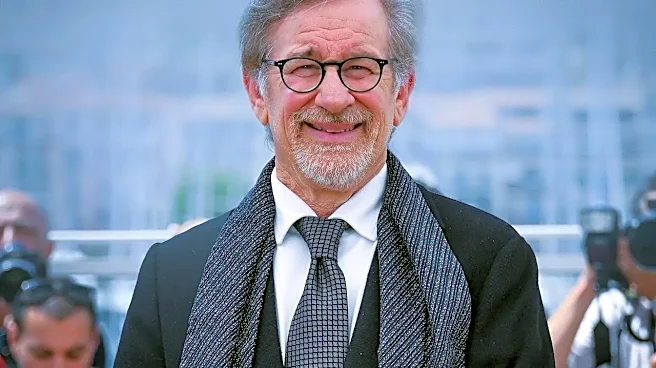
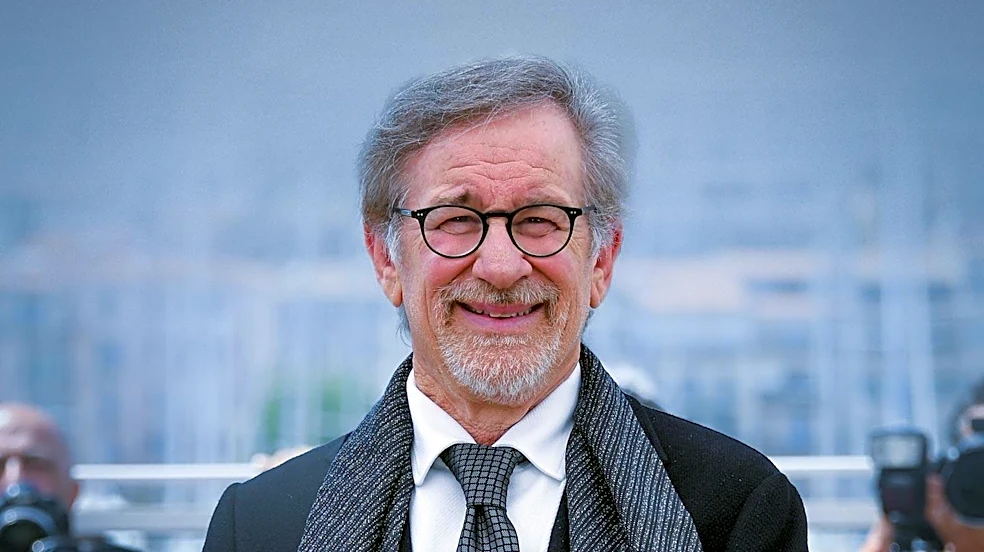
Director Steven Spielberg has publicly stated that 'Indiana Jones and the Temple of Doom' is his least favorite film in the Indiana Jones franchise, a sentiment he has held since 1989. According to Slashfilm, Spielberg found the second installment to be 'too
dark, too subterranean, and much too horrific,' even comparing it to the horror film 'Poltergeist,' which he co-wrote. The film, despite its PG rating, features intense scenes including torture, voodooism, and hearts being ripped from living bodies. This grim nature is the primary reason for Spielberg's disdain, contrasting sharply with the more whimsical tone of its successor, 'The Last Crusade.'
Why It's Important?
Steven Spielberg's candid assessment of 'Temple of Doom' offers a unique insight into the creative process and the director's personal connection to his work. For fans of the Indiana Jones franchise, this revelation from the director himself provides a new lens through which to view the film, potentially influencing future critical analyses and audience perceptions. The film's dark tone also had a significant impact on the broader film industry, as criticism of 'Temple of Doom' and 'Gremlins' led Spielberg to propose an intermediate rating for films that were too intense for young children but not restrictive enough for teenagers. This suggestion ultimately contributed to the creation of the PG-13 rating, a pivotal development in the U.S. film classification system that continues to shape how movies are marketed and consumed today.
What's Next?
While Spielberg's opinion on 'Temple of Doom' is well-established, it is unlikely to alter the film's place in cinematic history or its existing fan base. However, it may spark renewed discussions among film enthusiasts and critics about the film's artistic merits and its controversial elements, such as its depiction of Indian culture. The ongoing legacy of the Indiana Jones franchise, which continued with 'Indiana Jones and the Dial of Destiny' in 2023, will likely continue to be viewed through the lens of Spielberg's original vision, even as new directors take the helm. Future retrospectives or documentaries about Spielberg's career may delve deeper into his feelings about 'Temple of Doom' and its impact on his filmmaking philosophy.
Beyond the Headlines
Beyond the director's personal preference, 'Temple of Doom' also carries deeper cultural and ethical implications. The film has been criticized for promoting 'white savior' narratives and for its perceived mockery of Indian culture, issues that even led to the Indian government's disapproval and the relocation of production to Sri Lanka. This aspect highlights the ongoing conversation in Hollywood about representation, cultural sensitivity, and the impact of film on global audiences. The film's role in the creation of the PG-13 rating also underscores the industry's evolving responsibility towards younger viewers and the constant negotiation between artistic freedom and societal concerns. It serves as a historical example of how a single film can influence not only entertainment but also broader cultural and regulatory standards.