


What's Happening?
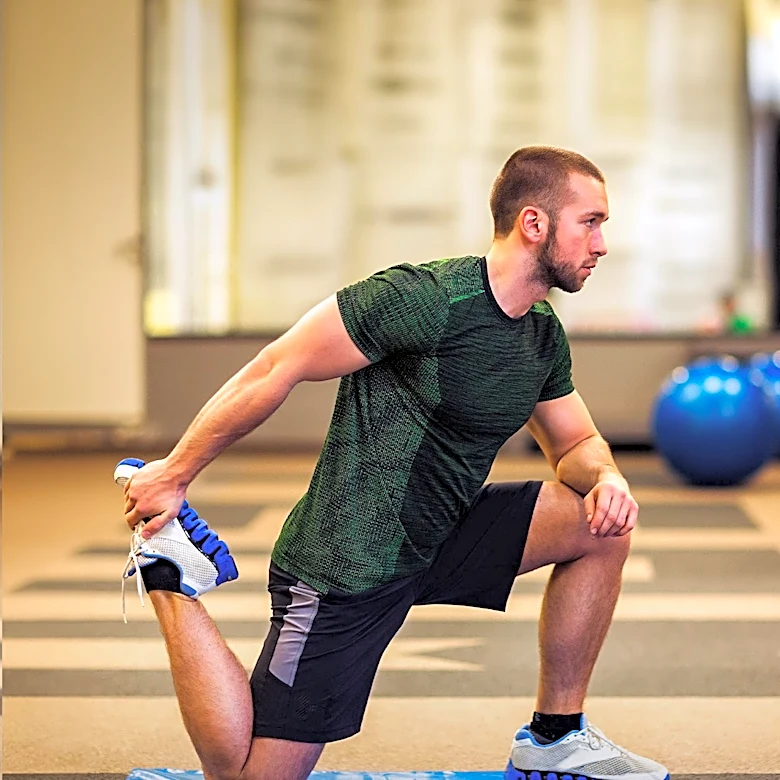
Recent fitness guidance highlights the importance of dynamic stretching and mobility exercises as part of pre-workout warm-ups, moving away from traditional static stretches. A recommended three-minute routine focuses on preparing the body for activities
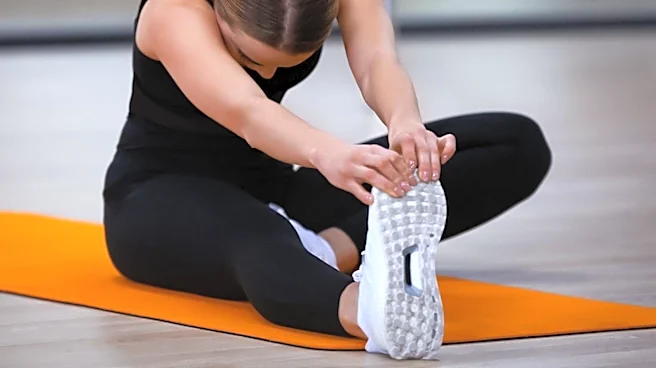
like walking or running by engaging hips, core, glutes, hamstrings, quadriceps, calves, and ankles. This routine includes exercises such as single-leg glute bridges, clamshells with knee drives, and seated knee drives. These movements aim to combine strength, balance, control, and stability, increasing the range of motion and priming muscles for exercise. Conversely, static hamstring stretches are advised against before a workout, with experts suggesting they are better suited for post-activity recovery. The emphasis is on challenging the body to build flexibility, range of motion, and strength through varied intensity and volume, rather than repetitive, low-intensity movements.
Why It's Important?
This shift in stretching recommendations is significant for public health and fitness practices across the U.S. Many individuals, from casual walkers to dedicated runners, may be unknowingly hindering their performance or increasing injury risk by performing static stretches before exercise. Adopting dynamic warm-ups can lead to improved athletic performance, better muscle activation, and enhanced joint stability, potentially reducing the incidence of exercise-related injuries. For fitness professionals and trainers, this guidance reinforces the need to educate clients on effective warm-up strategies. The focus on dynamic movements also promotes a more holistic approach to fitness, integrating strength, balance, and control, which can benefit a wider demographic, including those seeking to improve everyday mobility and prevent age-related physical decline.
What's Next?
The continued dissemination of these updated stretching guidelines is likely to influence fitness routines in gyms, personal training sessions, and public health campaigns. Fitness apps and online platforms may update their warm-up protocols to reflect the benefits of dynamic stretching. We can expect to see more emphasis on mobility classes and dynamic warm-up segments in group fitness settings. Athletes and coaches across various sports may also integrate these principles into their training regimens to optimize performance and injury prevention. Further research into the long-term benefits of dynamic versus static stretching for different populations and activities could also emerge, refining current recommendations and leading to more personalized fitness advice.
Beyond the Headlines
The evolving understanding of stretching reflects a broader trend in exercise science towards functional movement and injury prevention. This shift challenges long-held beliefs about pre-workout preparation, highlighting how scientific understanding continually refines best practices in health and wellness. It also underscores the importance of listening to one's body and adapting exercise routines based on current physiological knowledge. Ethically, fitness professionals have a responsibility to stay informed about such developments to provide the most effective and safest guidance to their clients. Culturally, it may lead to a greater appreciation for the nuances of physical preparation, moving beyond simplistic notions of 'just stretching' to a more sophisticated understanding of how the body prepares for and recovers from physical exertion.