







What's Happening?
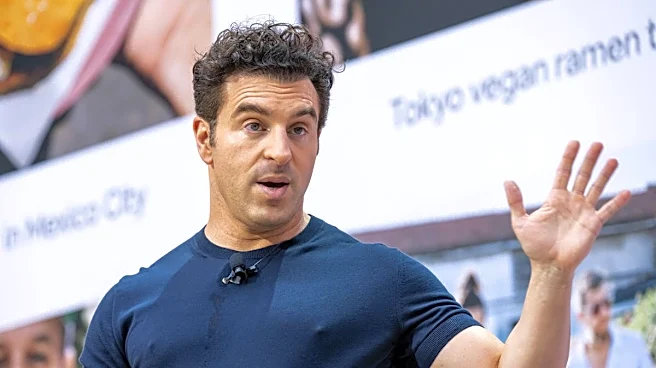
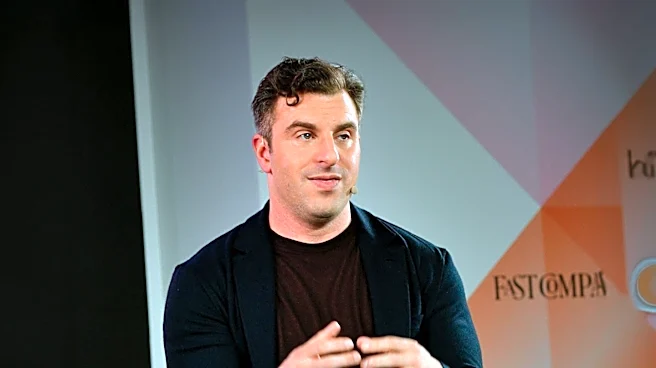
Brian Chesky, cofounder and CEO of Airbnb, has expressed a wish to be 26 again, citing the unprecedented entrepreneurial opportunities presented by the current AI era, particularly post-ChatGPT. Chesky, who founded Airbnb at age 26 in 2008 amidst the rise
of the iPhone, Facebook, and YouTube, believes that today's AI tools are far more powerful for building businesses. He noted that starting a company now requires fewer people, a concept he previously considered inconceivable. Chesky highlighted the potential for AI to transform various sectors, including education, health, and storytelling, even suggesting the creation of an 'AI Disney.' He also predicted the emergence of hundreds of large AI companies and millions of small businesses driven by AI. Despite acknowledging that many workers view AI as a threat to their jobs, Chesky encourages individuals to leverage the technology to create their own ventures, emphasizing that building a company is easier now than it was two decades ago.
Why It's Important?
Chesky's perspective underscores a significant shift in the entrepreneurial landscape, driven by advancements in artificial intelligence. His belief that AI tools empower smaller teams to build substantial companies challenges traditional notions of startup requirements and resource allocation. This outlook could inspire a new wave of innovation and business creation across the U.S., potentially democratizing entrepreneurship by lowering barriers to entry. The focus on AI's transformative power in sectors like education, health, and entertainment suggests broad economic and societal impacts, potentially leading to new industries and job roles. However, his acknowledgment of worker displacement concerns highlights the ongoing tension between technological progress and labor market stability, prompting discussions about reskilling and adaptation in the workforce. The rise of 'tens of millions' of small AI-driven businesses could reshape local economies and foster greater economic decentralization.
What's Next?
The continued evolution and accessibility of AI tools are expected to further reduce the barriers to entry for entrepreneurs, potentially leading to a surge in AI-powered startups across diverse sectors. As Chesky suggests, individuals and small teams may increasingly leverage AI to develop innovative products and services, challenging established industries. This trend could prompt greater investment in AI infrastructure and development, as well as increased demand for AI-literate talent. Policymakers may need to consider new frameworks to support this entrepreneurial boom while addressing potential challenges such as job displacement and ethical implications of widespread AI adoption. Furthermore, the entertainment and media industries are likely to see accelerated integration of generative AI, influencing content creation and consumption patterns. Educational institutions may also adapt curricula to prepare future workforces for an AI-dominated economy.
Beyond the Headlines
Chesky's vision points to a deeper societal transformation where the ability to innovate is no longer solely dependent on large capital investments or extensive human resources. This shift could lead to a more dynamic and competitive business environment, fostering creativity and problem-solving on an unprecedented scale. Ethically, the ease of creating AI-powered ventures raises questions about accountability, intellectual property, and the responsible use of powerful technologies. The concept of an 'AI Disney' hints at a future where AI plays a central role in shaping cultural narratives and experiences, potentially altering human interaction with media and entertainment. Moreover, the emphasis on individual empowerment through AI could reshape the future of work, moving towards a more freelance or project-based economy where individuals leverage AI as a force multiplier for their ideas, rather than solely relying on traditional employment structures.