





What's Happening?
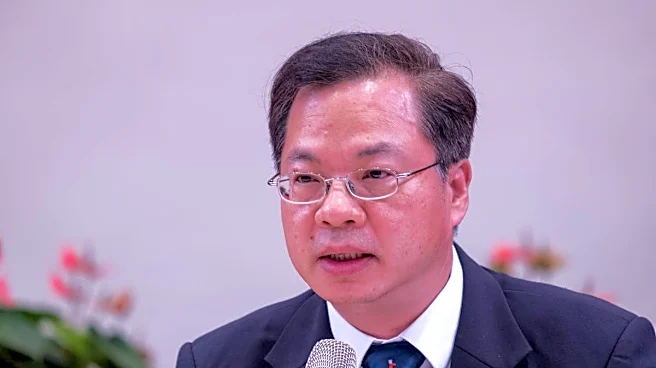
The Alaska Gasline Development Corp. (AGDC) plans to request additional funding from the Alaska State Legislature in 2027 to continue its pursuit of the proposed trans-Alaska natural gas pipeline, known as AKLNG. Frank Richards, AGDC's president, stated
that the state-owned corporation will seek $2.5 million to fund a program allowing Alaskans to invest in the pipeline project. This announcement was made during a board of directors meeting, the first since the Alaska House rejected a compromise tax-cut bill aimed at advancing the project. The previous bill would have altered the state's petroleum property tax for the pipeline and introduced a corporate income tax on some private oil and gas producers, which Governor Mike Dunleavy and many House members opposed. Glenfarne, a Texas-based development company, holds a 75% stake in the project, with AGDC owning the remaining 25%.
Why It's Important?
The continued pursuit of the AKLNG pipeline is significant for Alaska's economic future, as it aims to commercialize the North Slope's stranded natural gas by shipping it south, liquefying it, and exporting it to Asian markets. This project represents a long-standing effort, with proposals dating back to the 1970s, to leverage Alaska's vast natural gas reserves. The proposed funding request and the plan to allow Alaskans to invest could foster greater public engagement and financial support for the project, potentially aligning state residents' interests with its success. The previous legislative impasse over tax reforms highlights the political challenges and differing views within the state government regarding the project's financial structure and its impact on existing industries. The involvement of a Texas-based company like Glenfarne also underscores the national and international business interest in Alaska's energy resources.
What's Next?
AGDC will approach the Alaska State Legislature in 2027 to secure the requested $2.5 million for the Alaskan investment program. This timing coincides with a new gubernatorial administration and newly elected legislative majorities, which could lead to a fresh perspective on the project's tax structure and overall viability. President Richards expressed hope that the new legislative bodies will consider tax relief measures for the project. The success of AGDC's funding request and the subsequent implementation of the investment program will be crucial next steps. The corporation will need to navigate potential political hurdles and build consensus among the new state leadership to advance the AKLNG pipeline project, which has faced numerous challenges over the decades.
Beyond the Headlines
The AKLNG pipeline project embodies a complex interplay of economic ambition, environmental considerations, and political will. The repeated attempts to commercialize North Slope natural gas reflect a persistent desire to diversify Alaska's economy beyond crude oil production and secure long-term revenue streams. The proposal to allow Alaskans to invest directly in the pipeline could be seen as a strategy to build public support and create a sense of shared ownership, potentially mitigating future opposition. However, the historical difficulties in passing related legislation, particularly concerning tax reforms, indicate deep-seated disagreements about how best to balance resource development with state fiscal policy and environmental concerns. The project's long-term success will depend not only on securing funding but also on navigating evolving energy markets and geopolitical dynamics, especially concerning Asian energy demand.