









What's Happening?
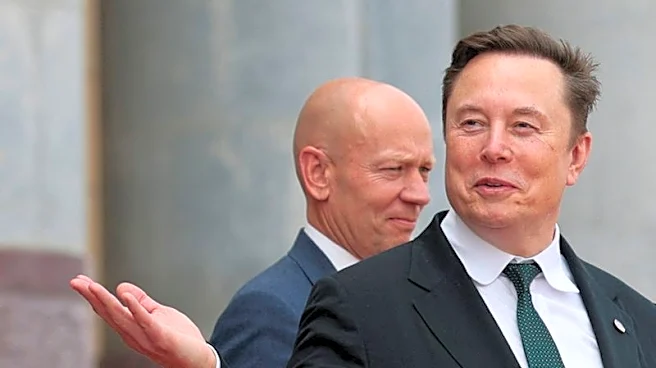
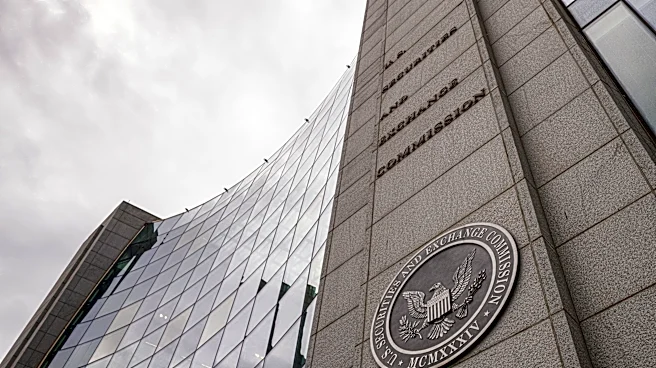
A federal judge has approved a $1.5 million settlement between Elon Musk and the Securities and Exchange Commission (SEC), despite expressing significant concerns about the agreement. The settlement stems from allegations that Musk violated SEC rules
by failing to disclose his purchase of a 9% stake in Twitter within the required timeframe. This delay allegedly allowed Musk to buy shares at lower prices, potentially underpaying Twitter investors by $150 million. The judge, Sparkle Sooknanan, noted her misgivings about the SEC's decision not to pursue disgorgement of Musk's alleged unjust profits, which would have compensated affected investors. Instead, the penalty will go to the government. The judge highlighted that the $1.5 million penalty is a small fraction of the potential $150 million at stake, raising questions about the adequacy of the settlement.
Why It's Important?
The settlement highlights ongoing debates about regulatory enforcement and accountability for high-profile figures in the financial markets. The decision not to pursue disgorgement means that investors allegedly harmed by Musk's actions will not receive compensation, raising concerns about the effectiveness of regulatory penalties in deterring misconduct. The case also underscores the challenges regulators face in holding influential individuals accountable, especially when settlements are perceived as insufficient. This could impact investor confidence in the regulatory system and the perceived fairness of financial markets. The outcome may influence future regulatory actions and settlements involving high-profile individuals and companies.
What's Next?
The settlement concludes the SEC's lawsuit against Musk, but it may not be the end of legal challenges for him. Twitter investors are pursuing a separate lawsuit seeking $2.6 billion in damages for alleged false statements by Musk. The outcome of this case could further impact Musk's financial and legal standing. Additionally, the settlement may prompt discussions among policymakers and regulators about the adequacy of penalties and the need for reforms to ensure accountability in financial markets. Stakeholders, including investors and advocacy groups, may push for changes to strengthen regulatory enforcement and protect investor interests.