






What's Happening?
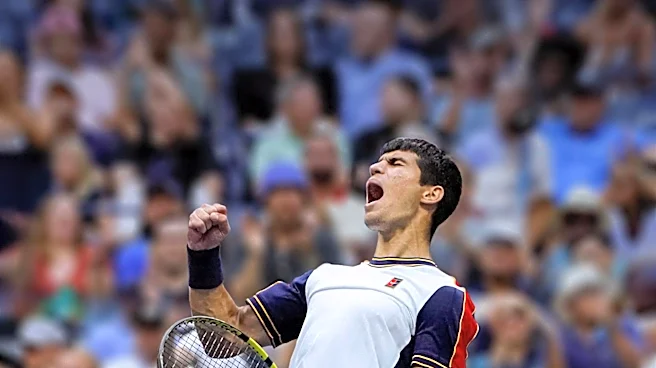
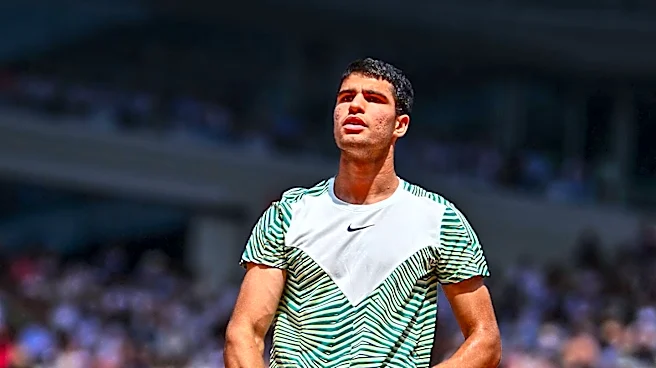
Carlos Alcaraz's prospects for winning the Paris Masters are in doubt due to a demanding schedule following his recent victory at the Vienna Open. After playing every possible match in Vienna, Alcaraz is slated to begin his Paris Masters campaign on Wednesday,
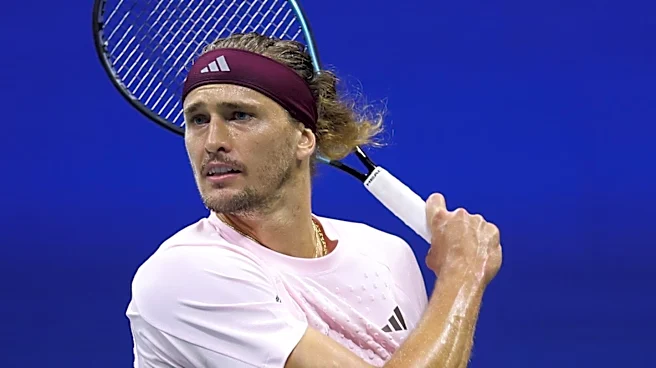
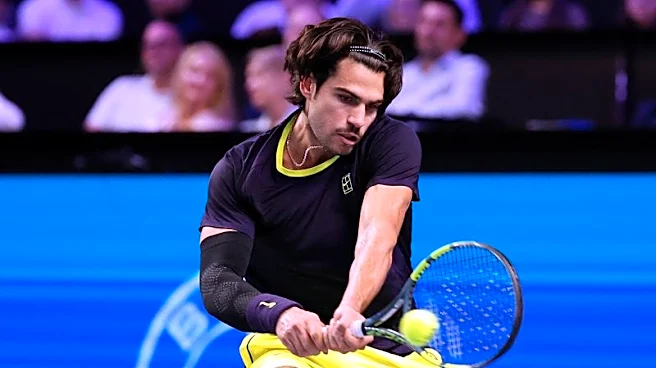
November 4th. This scheduling means he would need to play five matches in five consecutive days to win the tournament, a physically taxing feat. Alcaraz has historically struggled at the Paris Masters, never advancing beyond the quarterfinals in five previous appearances and holding a 50% win rate at the indoor event. His draw in Paris is also challenging, with potential matchups against strong opponents like Jiri Lehecka, Brandon Nakashima, Taylor Fritz, Arthur Fils, Daniil Medvedev in the semifinals, and Alexander Zverev in the final. This path could require him to defeat three top-10 players in as many days.
Why It's Important?
This situation highlights the intense physical demands placed on top tennis players, especially during the latter part of the season when major tournaments are held consecutively. For Alcaraz, a young and prominent figure in men's tennis, navigating such a schedule is crucial for both his immediate performance and long-term career sustainability. A strong showing or a victory at the Paris Masters would further solidify his standing and confidence on indoor hard courts, a surface where he aims to improve. Conversely, an early exit due to fatigue or injury could impact his momentum heading into the ATP Finals. The outcome will also be closely watched by fans and analysts, as it could influence discussions around player welfare and tournament scheduling in professional tennis.
What's Next?
Alcaraz will proceed with his participation in the Paris Masters, with his opening match scheduled for Wednesday, November 4th. His immediate focus will be on managing his physical condition and navigating a challenging draw. The tennis community will be observing how he performs under these strenuous circumstances, particularly given his past record at the event. His performance in Paris will be a key indicator of his form and readiness for the ATP Finals, for which he has already qualified. The results of this tournament could also spark further conversations among ATP officials and player representatives regarding the density of the tennis calendar and its impact on player health and performance.
Beyond the Headlines
The demanding schedule faced by Carlos Alcaraz in Paris underscores a broader issue in professional tennis: the balance between maximizing player participation in high-profile events and ensuring player well-being. The sport's calendar is packed, and top players often find themselves competing in back-to-back tournaments with little rest. This can lead to increased risk of injury and burnout, potentially shortening careers or impacting the quality of play. Alcaraz's situation could serve as a case study in the ongoing debate about tournament scheduling, player recovery protocols, and the overall sustainability of the professional tennis tour. It also highlights the strategic decisions players and their teams must make regarding which tournaments to prioritize and when to rest, a critical aspect of modern athletic management.