






What's Happening?
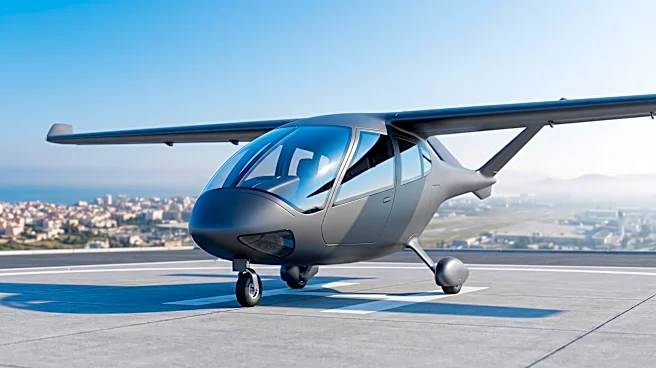
Vertical Aerospace, a UK-based eVTOL developer, has postponed the certification target for its production aircraft, the Valo, from 2028 to 2029. This decision, announced on July 13, 2026, reflects the extensive and rigorous process involved in certifying
an entirely new class of aircraft. The company, headquartered in Bristol with flight-testing operations in Kemble, Gloucestershire, previously achieved a significant milestone on April 14, 2026, when its VX4 prototype successfully completed a full two-way piloted transition. This involved a vertical take-off, forward flight on its wings, and a subsequent vertical landing, making Vertical Aerospace the second company globally to accomplish this with a full-scale tiltrotor eVTOL. The VX4 also performed public flights at Farnborough for five consecutive days in July, attracting over 140,000 visitors. As of August 13, Vertical Aerospace reported approximately $134 million (£99 million) in cash and an additional $100 million in new financing commitments, providing at least 12 months of operational runway. The Civil Aviation Authority (CAA) is developing the regulatory framework for initial commercial passenger flights, aiming for late 2028. Following a consultation that concluded on January 29, 2026, new eVTOL aircraft will be classified as either Powered-Lift or Non-Conventional Helicopters, utilizing a modified Part 21 airworthiness framework. Pathways for existing commercial and private pilots to obtain type ratings for these new VTOL aircraft are also being established.
Why It's Important?
The delay in Vertical Aerospace's Valo certification underscores the significant challenges and stringent requirements associated with bringing novel aviation technology to market. This postponement highlights that regulatory approval, rather than manufacturing readiness, is currently dictating the pace of development within the eVTOL sector. For the broader U.S. and global aviation industry, this indicates that the commercialization timeline for urban air mobility (UAM) may be more extended than initially projected by some. The rigorous certification process, as emphasized by Vertical Aerospace, is crucial for ensuring the safety and reliability of these new aircraft, which is paramount for public acceptance and widespread adoption. This situation could impact investment strategies in the UAM sector, potentially leading to a more cautious approach from investors who may now anticipate longer development cycles and higher regulatory hurdles. Furthermore, the evolving regulatory landscape, with the CAA classifying eVTOLs and establishing pilot pathways, sets precedents that other aviation authorities, including the FAA in the U.S., may consider or adapt, influencing the global harmonization of eVTOL regulations. The financial stability demonstrated by Vertical Aerospace, with substantial cash reserves and financing, suggests that companies with robust funding are better positioned to navigate these extended development and certification phases.
What's Next?
Vertical Aerospace will continue its development and testing efforts for the Valo, working towards the revised 2029 certification target. This will involve ongoing collaboration with regulatory bodies like the Civil Aviation Authority (CAA) to meet the stringent airworthiness and operational standards for this new class of aircraft. The CAA will proceed with finalizing its regulatory framework for eVTOLs, including detailed rules for airworthiness, pilot licensing, and operational procedures, with an aim for initial commercial passenger flights from late 2028. Other eVTOL developers, both in the UK and internationally, will closely monitor Vertical Aerospace's progress and the evolving regulatory landscape, as their experiences will likely inform strategies and timelines across the industry. The establishment of pilot type rating pathways by the CAA will enable existing pilots to transition to eVTOL operations, which is a critical step for building the necessary workforce for future UAM services. Further flight testing, data collection, and safety demonstrations will be essential for Vertical Aerospace to secure certification, potentially influencing public perception and investor confidence in the viability and safety of eVTOL technology.
Beyond the Headlines
The delay in eVTOL certification extends beyond a single company's timeline, reflecting a broader industry-wide challenge in integrating revolutionary technology into a highly regulated sector. This situation highlights the inherent tension between rapid technological innovation and the imperative for absolute safety in aviation. The rigorous certification process for eVTOLs is not merely a bureaucratic hurdle but a critical mechanism to prevent potential safety failures that could severely undermine public trust and halt the progress of urban air mobility for decades. This extended timeline could also foster greater collaboration among eVTOL manufacturers and regulatory bodies, potentially leading to the development of standardized testing protocols and safety benchmarks that benefit the entire industry. Furthermore, the need for new pilot training and certification pathways signals a significant shift in aviation workforce development, requiring new curricula and simulation technologies. The financial implications are also profound; companies that can sustain longer development cycles and meet escalating regulatory demands will likely emerge as leaders, potentially consolidating the market and shaping the future of air travel.