



What's Happening?
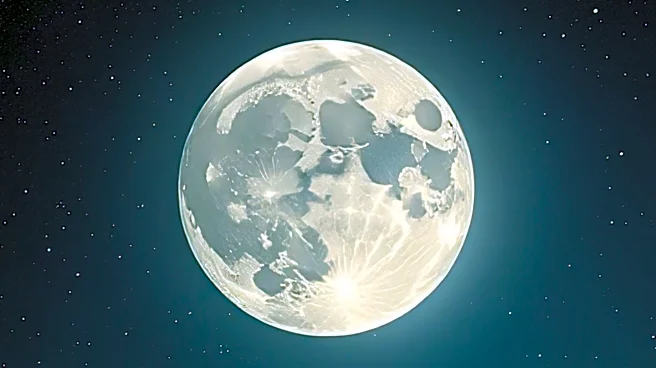
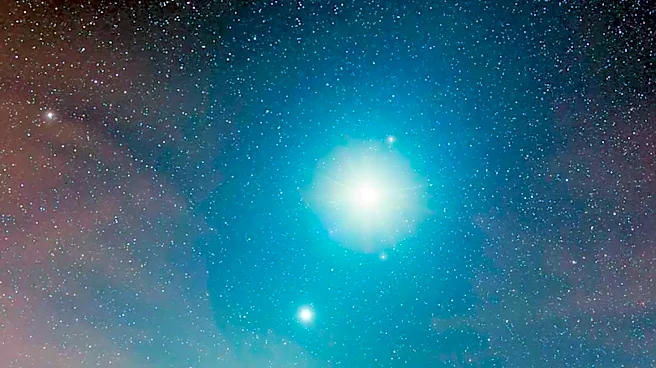
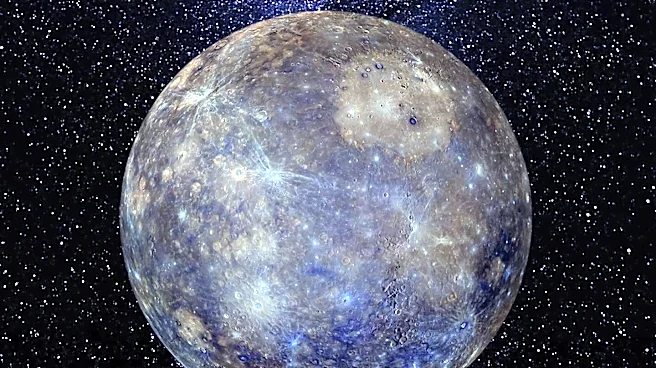
August offers a spectacular view of the night sky, with several planets visible to stargazers. Venus dominates the evening sky, reaching its greatest elongation from the sun on August 15. Meanwhile, early risers can witness a conjunction of Mercury and
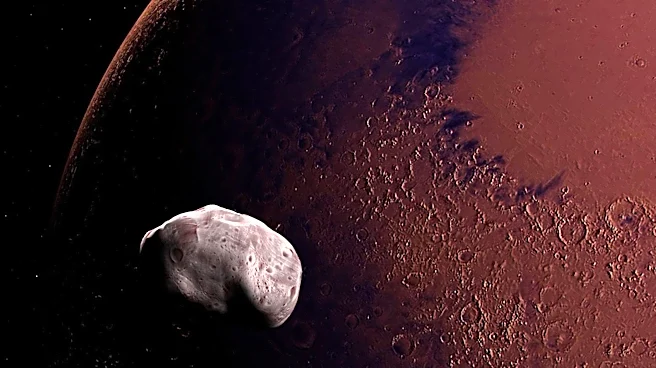
Jupiter around mid-month. Saturn, known for its rings, is well-positioned for telescopic observation, rising in the late evening. Mars becomes visible a few hours before sunrise, gradually brightening as Earth approaches it. These celestial events provide an opportunity for astronomy enthusiasts to observe and appreciate the dynamic nature of our solar system.
Why It's Important?
Observing planetary movements and celestial events enhances our understanding of the solar system and its mechanics. These events offer educational opportunities for both amateur and professional astronomers, fostering interest in space science and exploration. The visibility of multiple planets in August allows for comparative observations, contributing to ongoing research and public engagement with astronomy. Such events also inspire curiosity and wonder about the universe, encouraging people to explore the night sky and deepen their appreciation for the cosmos.