






What's Happening?
The Dumfries and Galloway region in southwest Scotland is being highlighted as an overlooked travel destination, offering a unique combination of stunning beaches, historic castles, and notably low crowds. Despite its picturesque coastline and a maritime
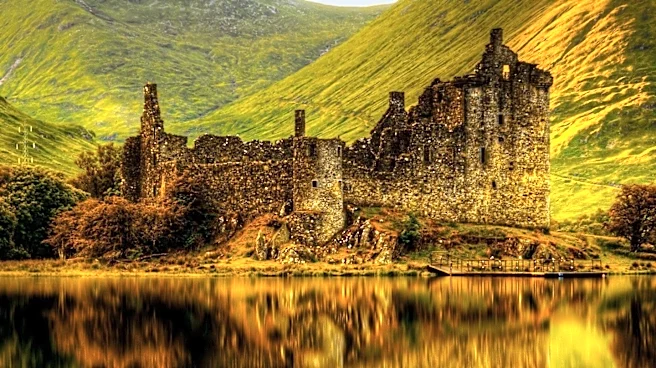
climate that avoids extreme temperatures, with rare snowfall, the area remains Scotland's least visited region. The article promotes several key attractions, including the iconic Mull of Galloway Lighthouse, the charming coastal town of Portpatrick, and Wigtown, which holds the distinction of being Scotland's National Book Town. Visitors can also explore the scenic Galloway Forest Park, known for its drives and trails, and the Logan Botanic Gardens, which showcases exotic plants thriving in the local microclimate. Historical sites such as Drumlanrig Castle, a magnificent 17th-century pink-red brick castle situated on a vast 120,000-acre estate, are also featured. The Southwest Coastal Drive 300 route is presented as an appealing alternative to the more widely known North Coast 500.
Why It's Important?
While primarily a travel guide for Scotland, this article holds significant relevance for U.S. audiences, particularly those seeking unique international travel experiences. The promotion of less-traveled, scenic destinations like Dumfries and Galloway can influence U.S. travel patterns, potentially diverting tourism from more crowded European hotspots. For the U.S. travel industry, understanding these emerging preferences for 'hidden gems' can inform marketing strategies and the development of new package tour offerings. Furthermore, the article's emphasis on sustainable tourism, characterized by low crowds and preserved natural beauty, aligns with a growing trend among U.S. travelers who prioritize authentic and less environmentally impactful experiences. The article also subtly underscores the economic benefits that tourism can bring to rural areas, a model that could be considered for similar underdeveloped scenic regions within the U.S. to boost local economies and foster regional development.
What's Next?
The article actively encourages U.S. travelers to consider Dumfries and Galloway for their future trips, suggesting that the spring and autumn seasons offer an optimal balance of fewer crowds and extended daylight hours. It advises prospective visitors to rent a car for convenient exploration, given the region's frequently changing weather and the dispersed nature of its attractions. Specific recommendations, such as staying at Knockinaam Lodge and dining at local establishments like Campbells Portpatrick, provide concrete planning details. The annual Wigtown Book Festival in September is highlighted as a significant cultural event. The implicit suggestion is that increased awareness generated by such promotions could lead to a rise in tourism for the region, potentially altering its 'least visited' status over time. For U.S. travel agencies, this could translate into the development of new itineraries tailored to this niche market of travelers seeking authentic, off-the-beaten-path destinations.
Beyond the Headlines
The growing appeal of 'forgotten corners' such as Dumfries and Galloway reflects a broader philosophical shift in travel, moving away from mass tourism towards more immersive and authentic experiences. For U.S. travelers, this often means seeking destinations where they can genuinely connect with local culture, enjoy natural beauty without overwhelming crowds, and potentially contribute more directly to local economies. This evolving trend has significant implications for how travel is marketed and consumed, emphasizing unique narratives and local charm over mainstream, heavily trafficked attractions. It also underscores the critical importance of preserving such areas from the potential pitfalls of over-tourism, a challenge that many popular U.S. national parks and urban centers are currently confronting. The article implicitly advocates for a more thoughtful and dispersed approach to travel, which could inspire similar initiatives to promote lesser-known but equally captivating regions within the United States.