
What's Happening?
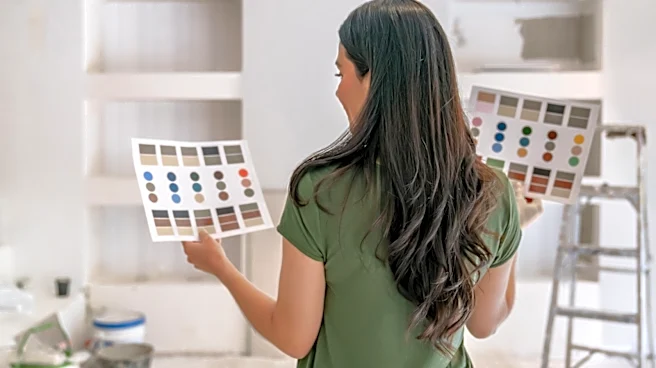
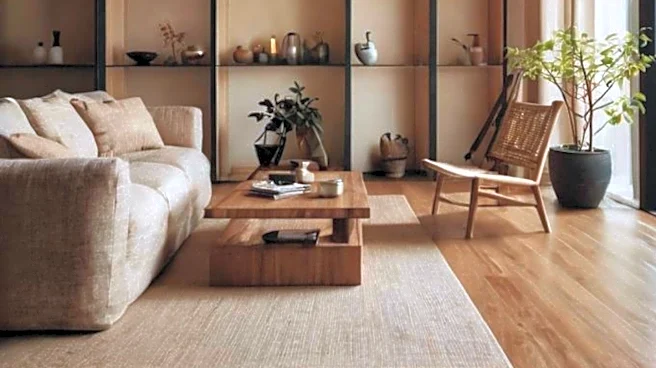
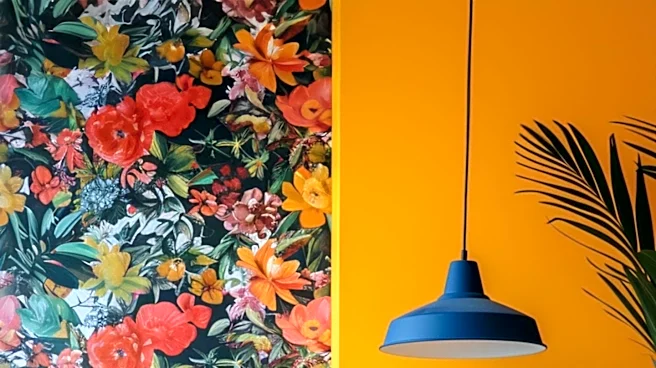
Interior designer Sasha Bikoff is advocating for a maximalist approach to millennial style, moving away from the previously popular 'millennial greige' and neutral tones. Bikoff, known for her vibrant
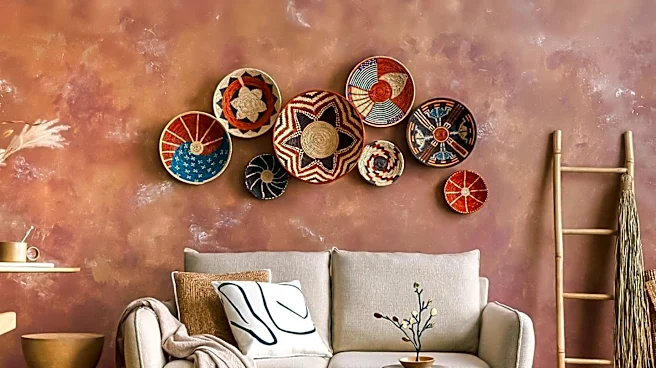
and layered designs, emphasizes joyfulness through the combination of various fabrics, patterns, colors, and unique touches. Her aesthetic draws from an extensive knowledge of art and design history, incorporating elements from different eras and cultures. She believes in creating spaces that tell a story and reflect personal identity, rather than adhering to minimalist or overly subdued trends. Bikoff's work, including her upcoming book 'High Vibe Design,' aims to guide individuals in personalizing their environments with a rich visual lexicon and idiosyncratic details, making spaces feel lived-in and conversational.
Why It's Important?
This shift towards maximalism in millennial style signifies a broader cultural movement away from uniformity and towards individual expression in design and fashion. Bikoff's influence, particularly through her design firm and social media presence, challenges the prevailing minimalist trends that have dominated for years. This could impact the interior design and fashion industries by increasing demand for diverse materials, bold patterns, and unique, artisanal pieces. Consumers, especially millennials, might be encouraged to embrace more personalized and eclectic styles, potentially boosting markets for vintage items, custom furniture, and a wider range of home decor. The emphasis on 'joyfulness' and 'curiosities' also suggests a psychological desire for comfort and familiarity, which can influence purchasing decisions and lifestyle choices, moving away from mass-produced, generic aesthetics.
What's Next?
The release of Sasha Bikoff's book, 'High Vibe Design,' is expected to further popularize the maximalist aesthetic, offering practical advice and inspiration for individuals to incorporate this style into their homes. This could lead to increased collaborations between designers and brands, focusing on more colorful, patterned, and textured product lines. We may see a continued resurgence of vintage and Y2K-era fashion and decor, as consumers seek unique pieces that align with a maximalist sensibility. Additionally, Bikoff's fashion commentary on her Instagram account, 'Banned By Sasha,' suggests a growing public interest in critical, yet personal, takes on celebrity style, potentially influencing red-carpet trends and everyday fashion choices. The broader design community may also engage in more discussions about the balance between personal expression and prevailing trends.
Beyond the Headlines
Beyond the immediate trends, Bikoff's promotion of maximalism touches upon deeper themes of authenticity and personal narrative in a consumer-driven society. Her approach encourages individuals to curate spaces and wardrobes that reflect their unique stories and experiences, rather than conforming to fleeting trends or the 'tyranny of neutral tones.' This philosophy can foster a more sustainable approach to consumption, as people invest in pieces with character and longevity, reducing the cycle of fast fashion and disposable decor. The idea of 'high vibe design' also suggests a connection between one's environment and emotional well-being, implying that a joyful and personalized space can positively impact mood and lifestyle. This could lead to a greater appreciation for craftsmanship, art history, and cultural influences in everyday design choices.