
What's Happening?
Fox Corporation and Nexstar Media Group, two prominent U.S. media companies, have reported robust financial performances, significantly boosted by record political advertising revenue during the recent
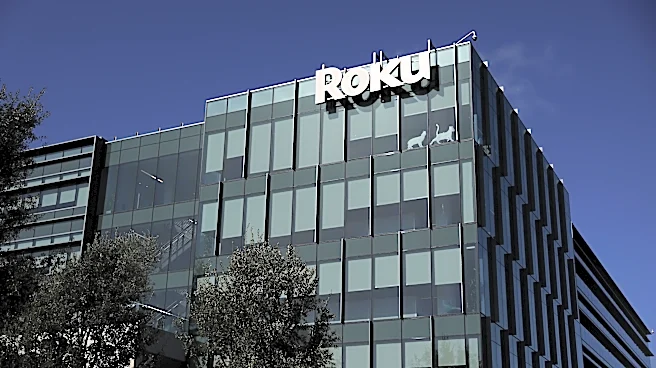
election cycle. Fox Corporation, which operates Fox News, Fox Business, the Fox broadcast network, and Tubi, saw its fiscal first-quarter revenue increase by approximately 22% year over year. This growth was attributed to the FIFA World Cup, NFL programming, and substantial political advertising. A key development for Fox is its recent $22 billion acquisition of streaming platform Roku, aimed at expanding its digital advertising reach and securing first-party data. Meanwhile, Nexstar Media Group, the largest U.S. television station owner-operator with over 200 stations, NewsNation, and a majority stake in The CW, nearly doubled its quarterly net revenue year over year. This was supported by its acquisition of broadcaster TEGNA and its highest-ever combined political-ad revenue for an election cycle. Nexstar has also focused on debt reduction, cutting over $1 billion year to date, and returning capital to shareholders through dividends.
Why It's Important?
The strong financial results from both Fox Corporation and Nexstar Media Group underscore the significant impact of political advertising on the U.S. media landscape, particularly during election cycles. This influx of revenue provides a substantial boost to media companies, influencing their strategic decisions and investment capabilities. For Fox, the acquisition of Roku signifies a major pivot towards streaming and connected TV, reflecting a broader industry trend of media companies seeking to diversify revenue streams beyond traditional broadcast and cable. This move could reshape the digital advertising market and how content is consumed in the U.S. For Nexstar, its focus on local broadcast assets and debt reduction highlights a strategy of consolidating regional media power while maintaining financial stability. The success of these companies in leveraging political advertising also indicates the continued importance of television and digital platforms as key channels for political campaigns to reach voters, influencing election outcomes and public discourse. The differing strategies of Fox (national news, streaming) and Nexstar (local broadcast, cable news) illustrate the diverse approaches media entities are taking to navigate a rapidly evolving industry.
What's Next?
For Fox Corporation, the immediate future will involve the complex integration of Roku into its operations. This integration carries execution risks but is expected to deliver significant cost synergies and expand Fox's digital advertising capabilities. The success of this integration will be crucial in determining Fox's long-term growth trajectory in the streaming market. Nexstar Media Group faces ongoing legal challenges regarding its TEGNA merger, which currently prevents full integration. The resolution of this legal uncertainty will be a key factor in Nexstar's ability to fully realize the benefits of the acquisition. Both companies will continue to be sensitive to advertising cycles, particularly future political spending, which has proven to be a major revenue driver. Their performance will also be influenced by broader trends in media consumption, including the ongoing shift from traditional pay-TV to streaming services. Investors will be closely watching how these companies adapt their business models to maintain growth and profitability in a competitive and dynamic media environment.
Beyond the Headlines
The contrasting strategies of Fox Corporation and Nexstar Media Group highlight a deeper divergence in the U.S. media industry. Fox's aggressive move into streaming with Roku reflects a bet on the future of digital content consumption and the potential for personalized advertising, raising questions about data privacy and the concentration of media power in the digital sphere. Nexstar's emphasis on local broadcast and consolidation, despite the challenges of pay-TV decline, underscores the enduring importance of local news and community engagement, which can have significant implications for local economies and civic participation. The reliance of both companies on political advertising also raises ethical considerations about the influence of money in politics and the potential for media outlets to be swayed by advertising revenue during election cycles. The ongoing legal challenges faced by Nexstar regarding its merger also point to the regulatory complexities and antitrust concerns within the media industry, which can shape market competition and consumer choice.