





What's Happening?
Real estate professionals are cautioning homeowners that certain popular decor trends could negatively impact their home's resale value. According to real estate advisor Missy Derr and interior designers Olga Doykhen and Rachel Blindauer, highly personalized
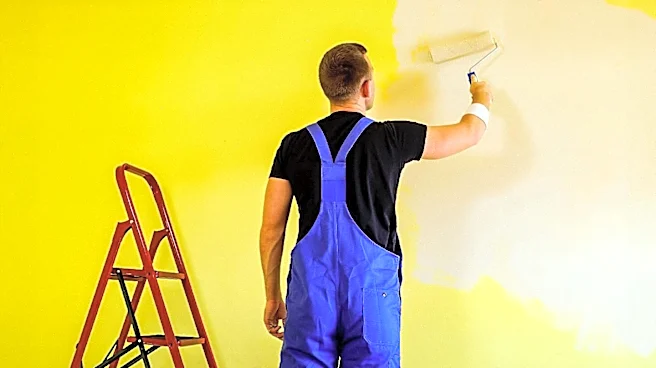
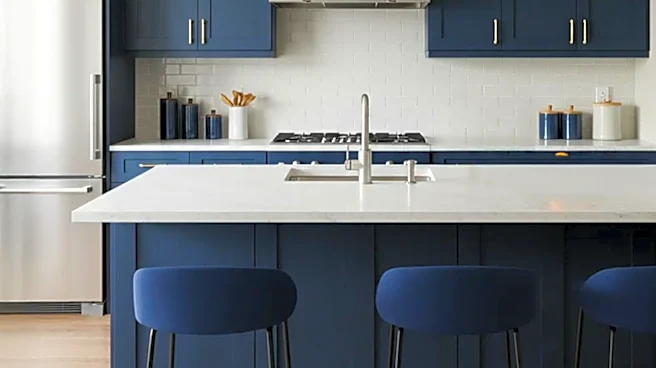
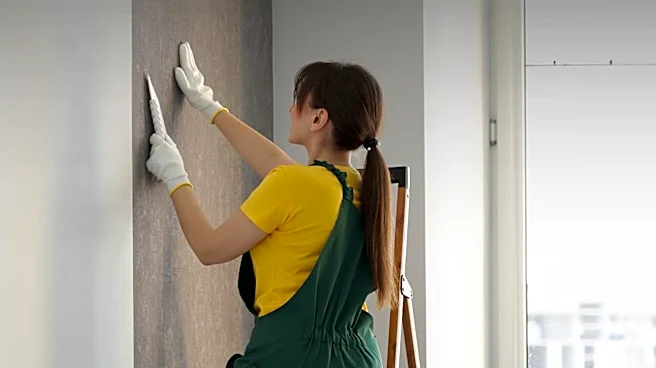
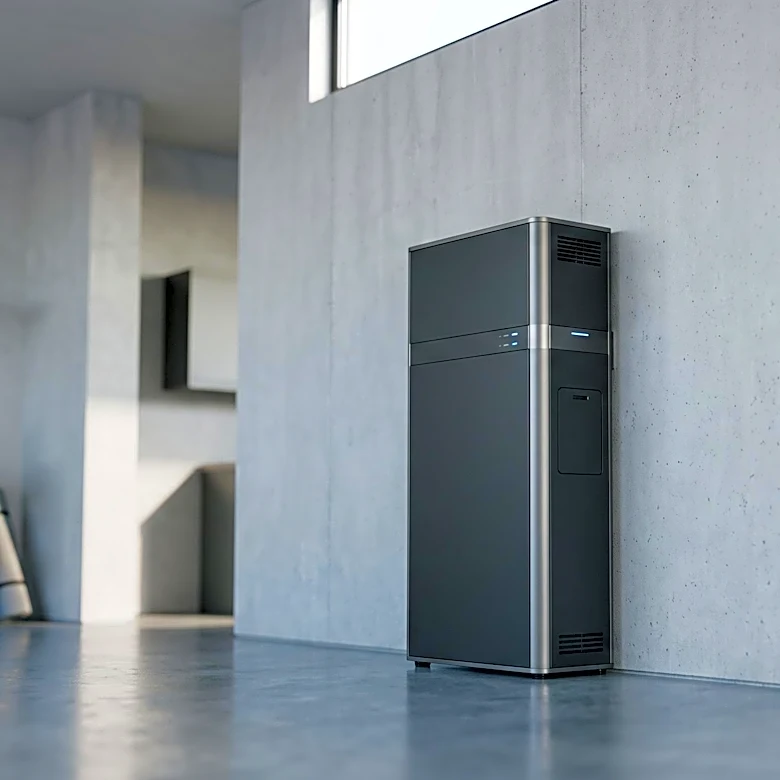
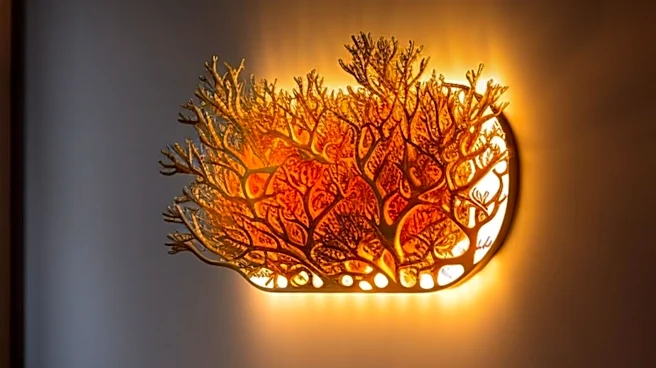
or overly trendy design choices can deter potential buyers. Examples include bold paint colors, excessive fluted paneling, over-the-top smart home features, 'Instagram Beige' minimalism, statement tiles, too many open shelves in the kitchen, and accent walls with molding. These elements, while stylish to some, can be perceived as costly to update or too specific to a previous owner's taste, making a home less appealing to a broader market. The advice emphasizes that while homeowners should personalize their living spaces, those planning to sell in the near future should consider opting for more timeless and neutral designs to maximize appeal and value.
Why It's Important?
This information is important for U.S. homeowners and the real estate market as it highlights factors that can directly influence property values and sales velocity. In a competitive housing market, even seemingly minor aesthetic choices can affect a home's marketability. Homeowners who invest in trendy decor might inadvertently create barriers for potential buyers, leading to longer listing times or lower offers. For real estate agents and interior designers, this serves as a guide for advising clients on pre-sale renovations and staging. The emphasis on timelessness and broad appeal over fleeting trends can help maintain property values and facilitate smoother transactions, benefiting both sellers and the overall housing market by reducing friction in sales processes.
What's Next?
Homeowners preparing to list their properties are likely to re-evaluate their interior design choices, potentially opting for more neutral palettes and classic finishes. Real estate agents may increasingly advise clients to depersonalize and update their homes to align with broader market preferences rather than current fads. This could lead to a shift in demand for certain home improvement products and services, favoring those that offer timeless appeal and functionality over highly specialized or trendy options. The industry may see a continued emphasis on renovations that provide long-term value and appeal to a wider demographic, rather than those driven by short-lived design trends.
Beyond the Headlines
The advice from real estate professionals reflects a broader tension between personal expression in home design and the financial implications of property ownership. While homes are personal sanctuaries, they are also significant financial assets. This dynamic underscores the challenge homeowners face in balancing their individual tastes with the need to maintain or enhance their property's market value. The trend of 'overpersonalization' or adopting fleeting design fads highlights a consumer culture that often prioritizes immediate aesthetic gratification over long-term investment considerations. This also points to the evolving role of interior design, where professionals are increasingly tasked with not only creating beautiful spaces but also ensuring those spaces are strategic investments.